Your Perspective Is Your Frequency
You've spent years absorbing experiences nobody else has had in quite the same order. And yet when someone asks what makes you different, your brain goes static.
Part 1: Your Perspective Is Your Frequency — Concept
+5 XP on completion
You've spent years absorbing experiences nobody else has had in quite the same order. And yet when someone asks what makes you different, your brain goes static.

So you copy someone else's frequency. You borrow their tone, their framework, their angle — and wonder why your broadcast sounds like background noise. Funny how mimicry, which feels like the safe move, is actually the fastest route to being ignored.

Your perspective isn't a brand exercise. It's an actual frequency — a combination of every odd job, every midnight argument, every field you wandered through before you found your work. Nobody else is broadcasting from that exact coordinate.

Experience gives you raw material. Instinct tells you which parts matter. Insight connects them in a way that's useful to someone else. Those three, combined, are the signal only you can send — and the ratio shifts with every year you're alive.

Marcus spent two years writing newsletters that sounded like every other strategy consultant. Then he leaned into the thing he'd been hiding — fifteen years of restaurant kitchens before business school. Suddenly his advice on operational chaos had a heartbeat. His open rate tripled. Not because he got better at writing, but because he stopped pretending his frequency was someone else's.

Your frequency already exists. The trick is learning to hear it clearly enough to name it. In Part 2, you'll practice mapping the specific combination of experience, instinct, and insight that makes your signal yours. See you there.
Part 2: Your Perspective Is Your Frequency — Practice
+10 XP on completion

Your signal isn't something you need to build from scratch — it's already broadcasting. The exercise today is learning to hear your own frequency above the static.

Most signal-finding exercises ask you to list your strengths, which means you end up writing what looks good on a résumé. That's not your frequency — that's your costume.

Your real frequency hides in the patterns you can't help repeating — the problems you're drawn to, the angles only you notice, the advice people keep asking you for even when it's not your job. That's the signal worth mapping.
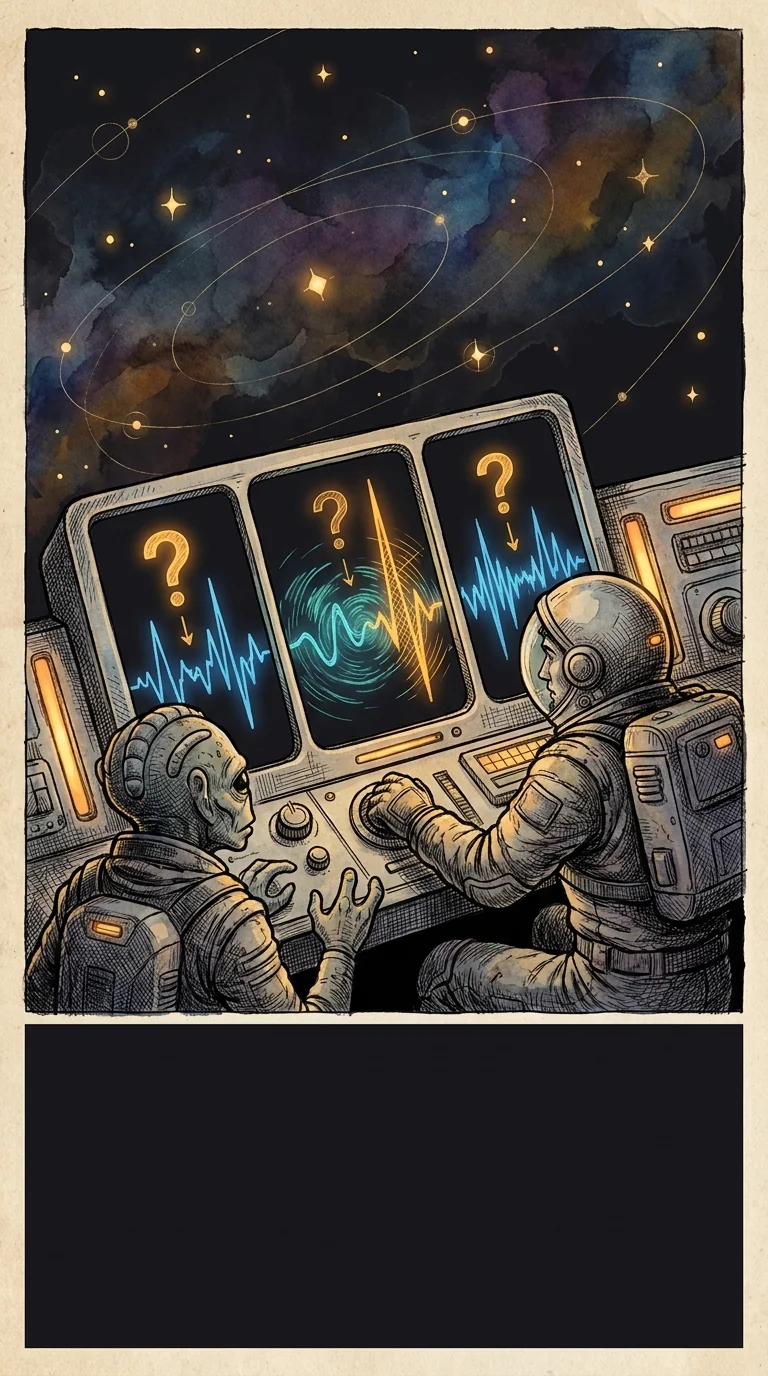
The technique is called the Signal Scan. Three questions, five minutes. One: What problem do I keep volunteering to solve? Two: What do people come to me for that surprises me? Three: What topic makes me lose track of time when I explain it? Write the overlaps down. That's your frequency.
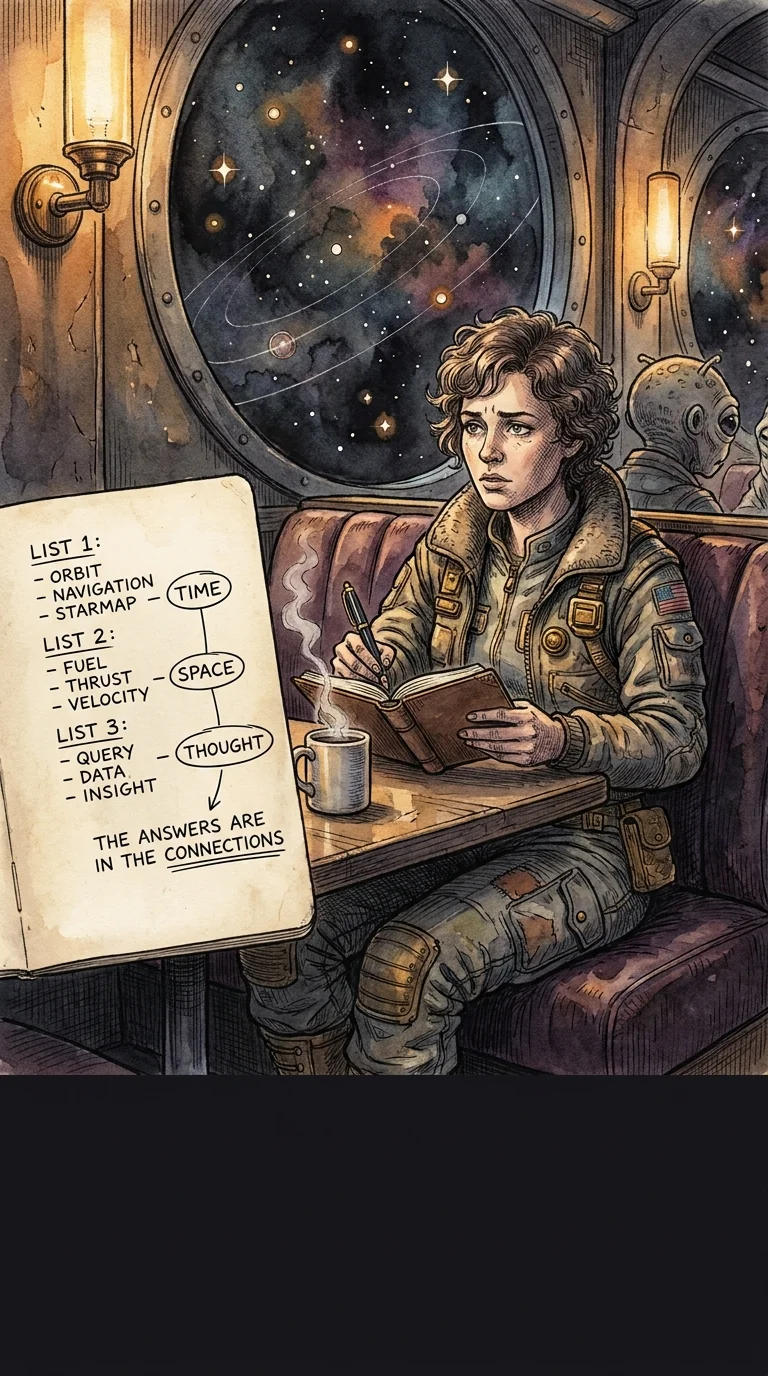
Maria ran her Signal Scan expecting to find something about design — her actual job. Instead, all three answers pointed to the same thing: translating technical mess into plain language. She'd been doing it for years without charging for it. Funny how the obvious signal is the last one you tune in to.

Run your own Signal Scan tonight. Write fast, don't edit, and pay attention to the overlaps that embarrass you a little — those are usually the honest ones. Your frequency is already out there. Now you know where to listen.