From Doing to Deciding
Marcus got promoted six months ago. He's still doing the same tasks — just faster, and with a nicer title on the door.
Part 1: From Doing to Deciding — Concept
+5 XP on completion
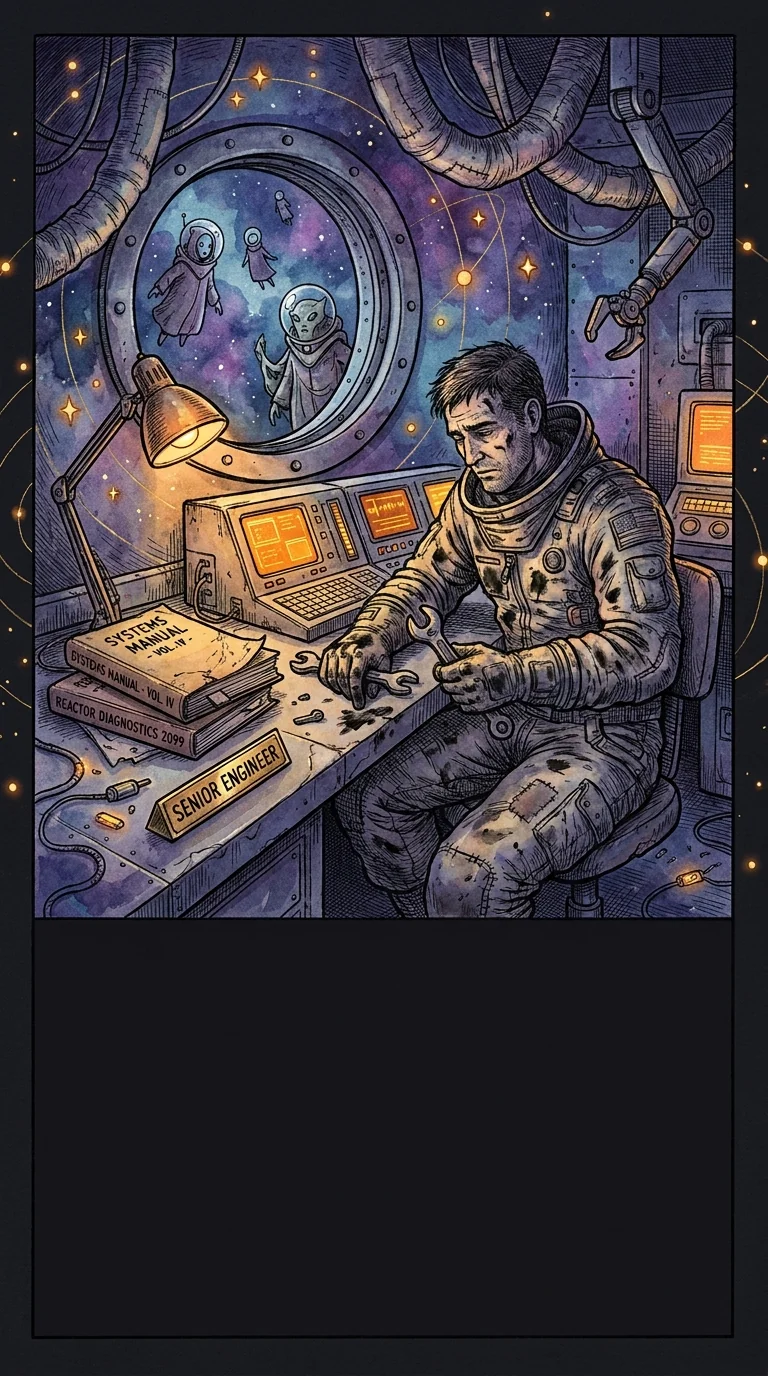
Marcus got promoted six months ago. He's still doing the same tasks — just faster, and with a nicer title on the door.
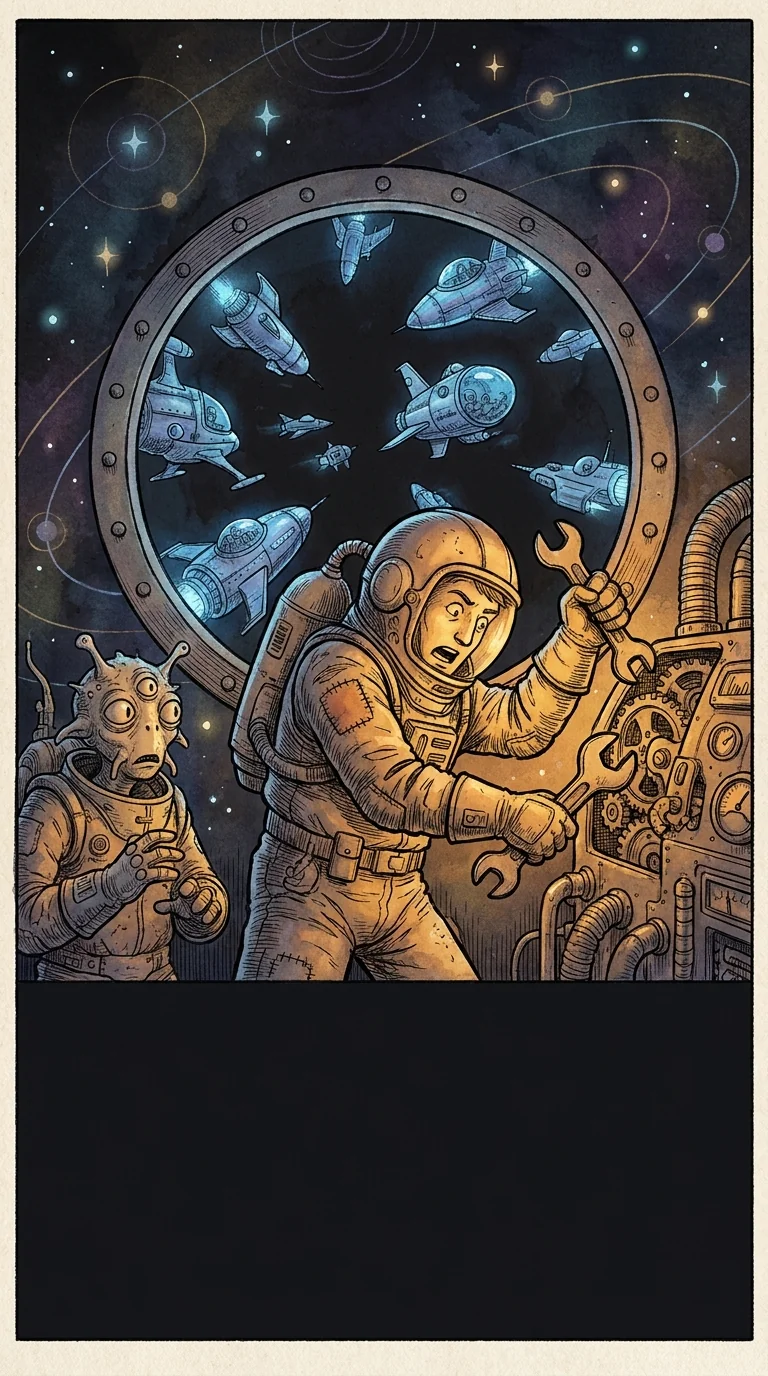
When you move up, the reflex is to keep solving problems — because solving problems is what got you here. But the job changed. You just didn't notice because your hands were still busy.
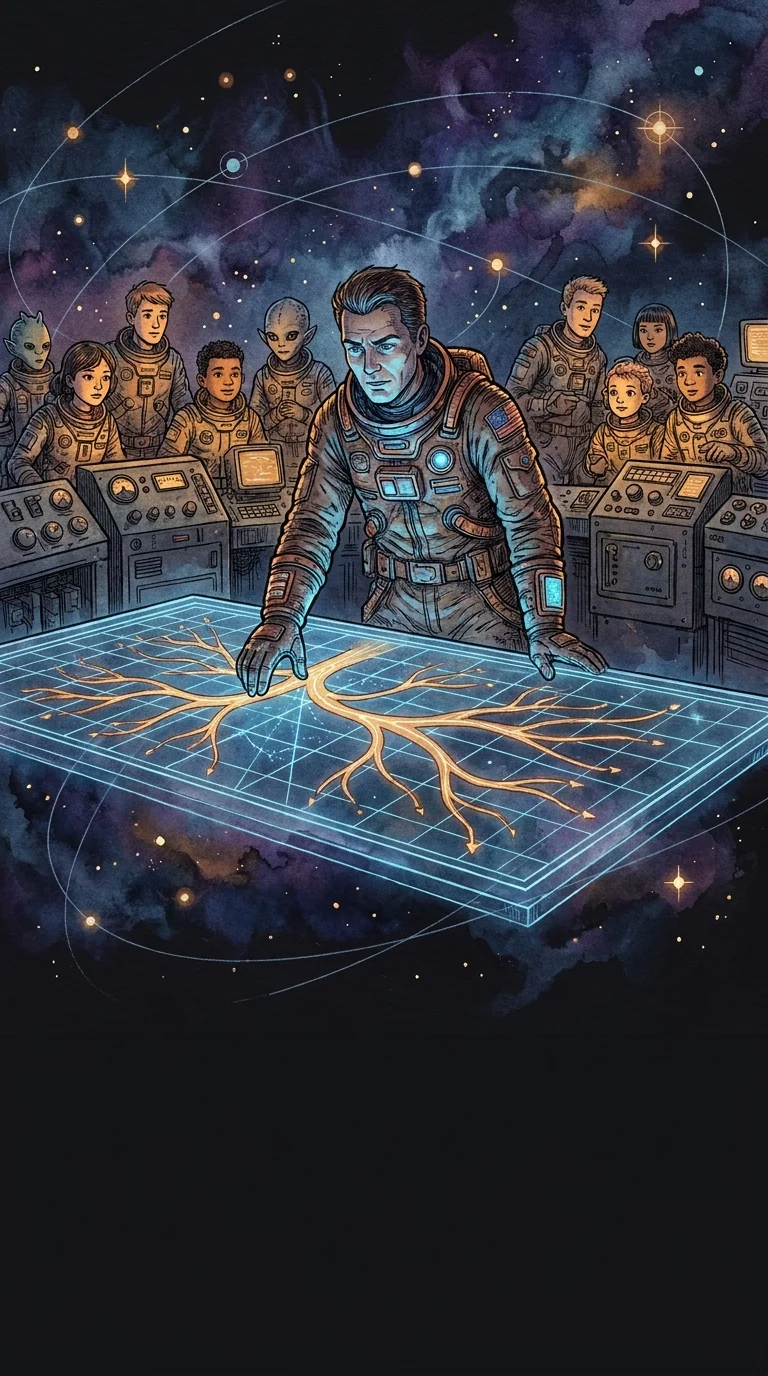
Your value moved upstream. It's not in fixing the circuit anymore — it's in deciding which circuit matters. Framing the right problem is the work now, and nobody hands you a manual for that shift.
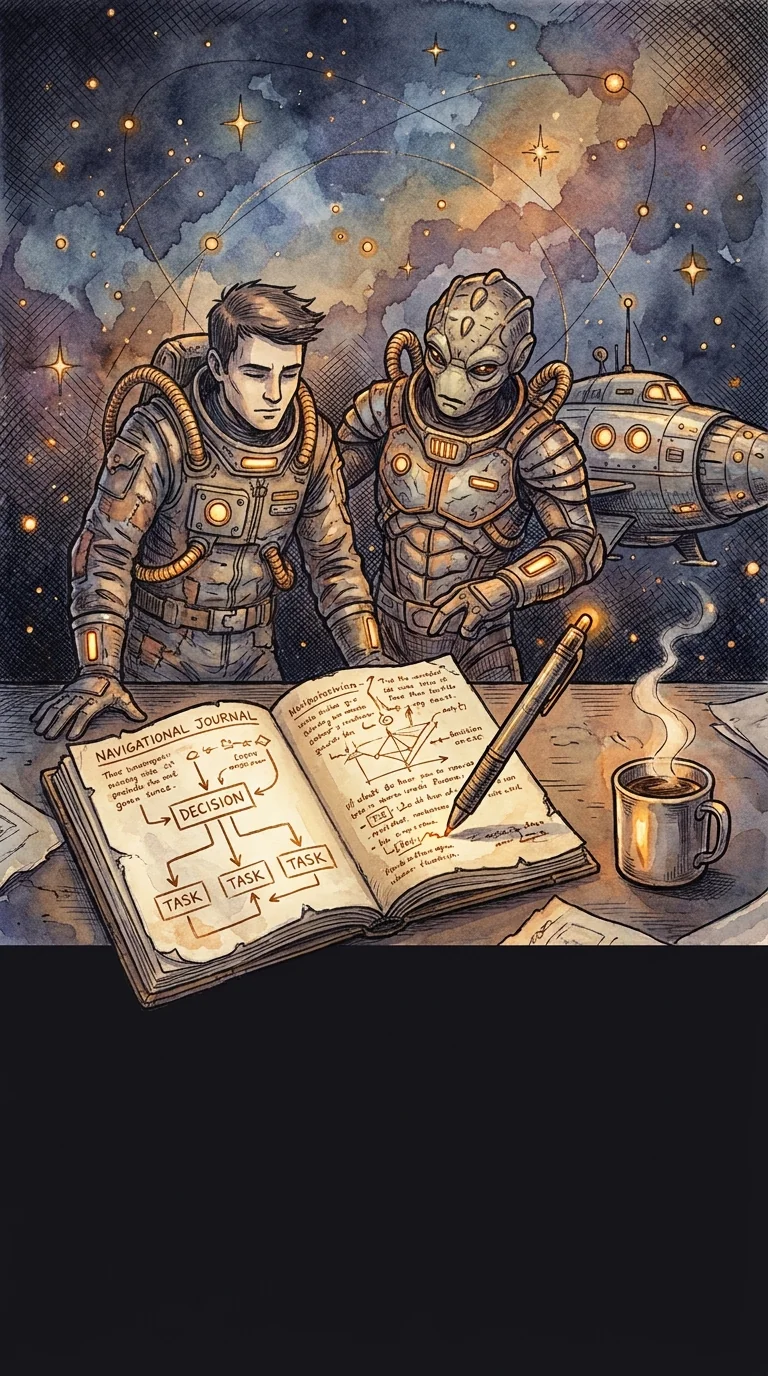
The mechanism is deceptively simple: before you touch a task, ask what decision it serves. If you can't name one, you're downstream again — executing someone else's frame instead of setting your own.

Marcus started each morning listing his tasks. Then he tried something different — he listed the three decisions his team needed from him that week. Half the tasks on his old list turned out to be someone else's work. The other half finally had a reason.

Doing feels productive. Deciding feels exposed — because now you own the frame, not just the fix. That's exactly why it matters. In Part 2, you'll practice identifying your upstream decisions and separating them from downstream tasks. See you there.
Part 2: From Doing to Deciding — Practice
+10 XP on completion
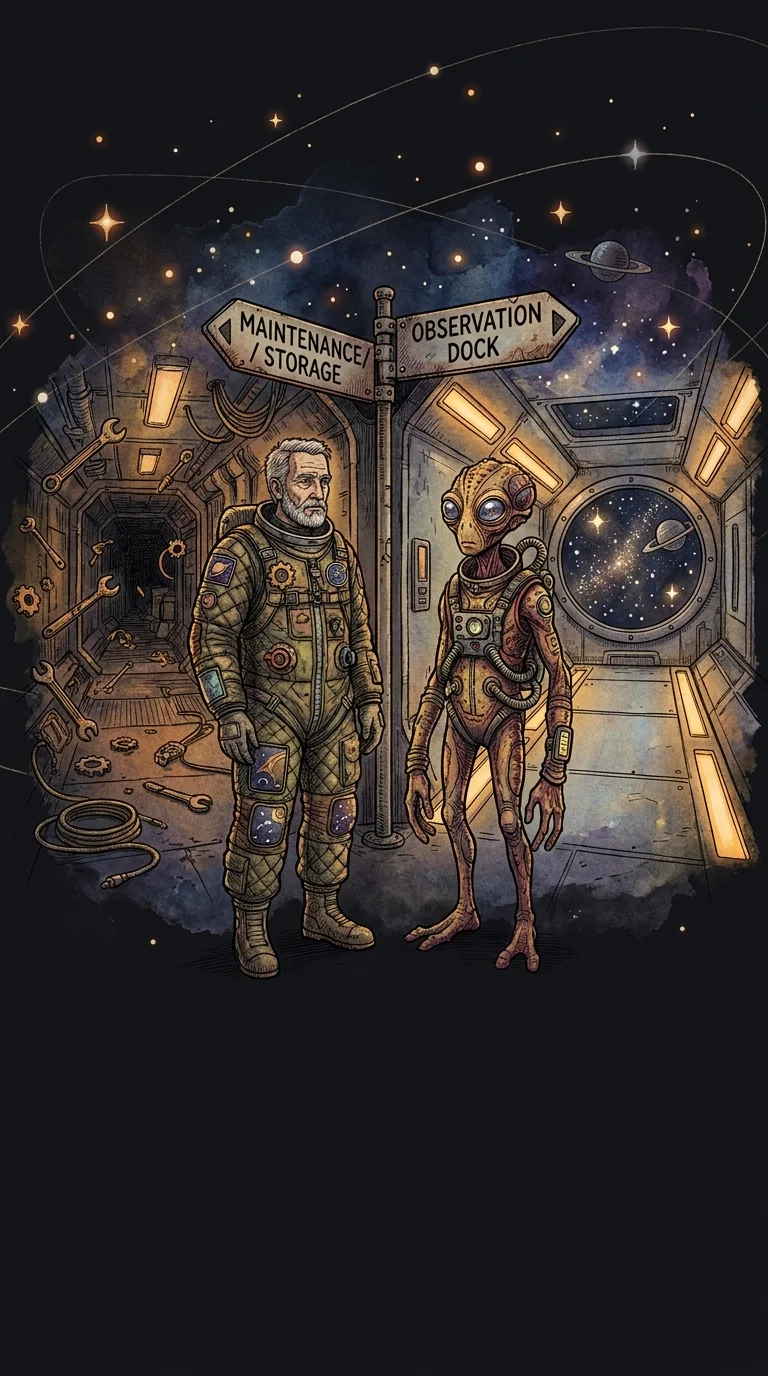
Your value isn't in doing more tasks — it's in deciding which tasks matter. So let's build a filter for that.
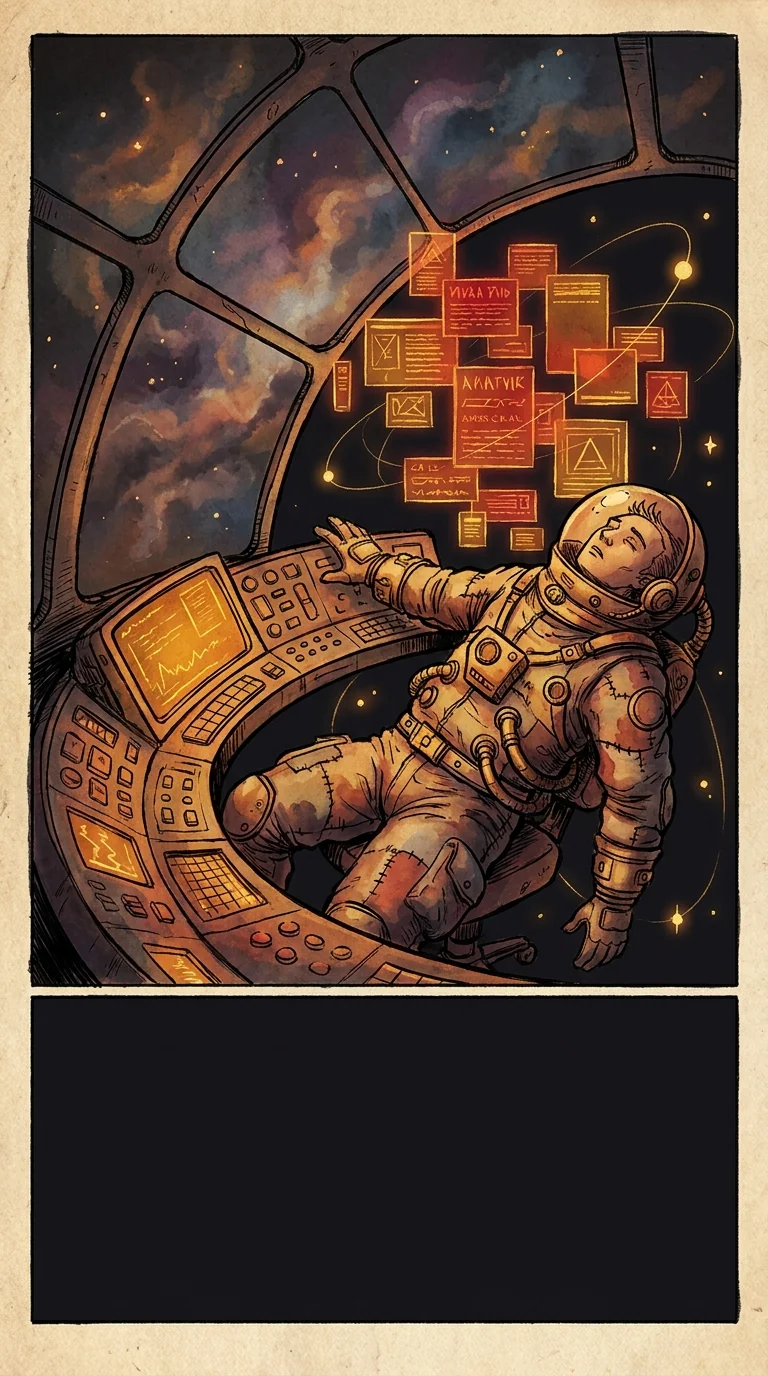
Most mornings start the same way: you open your inbox and let other people's priorities become yours. By noon you've been productive and accomplished nothing that was actually yours to accomplish.
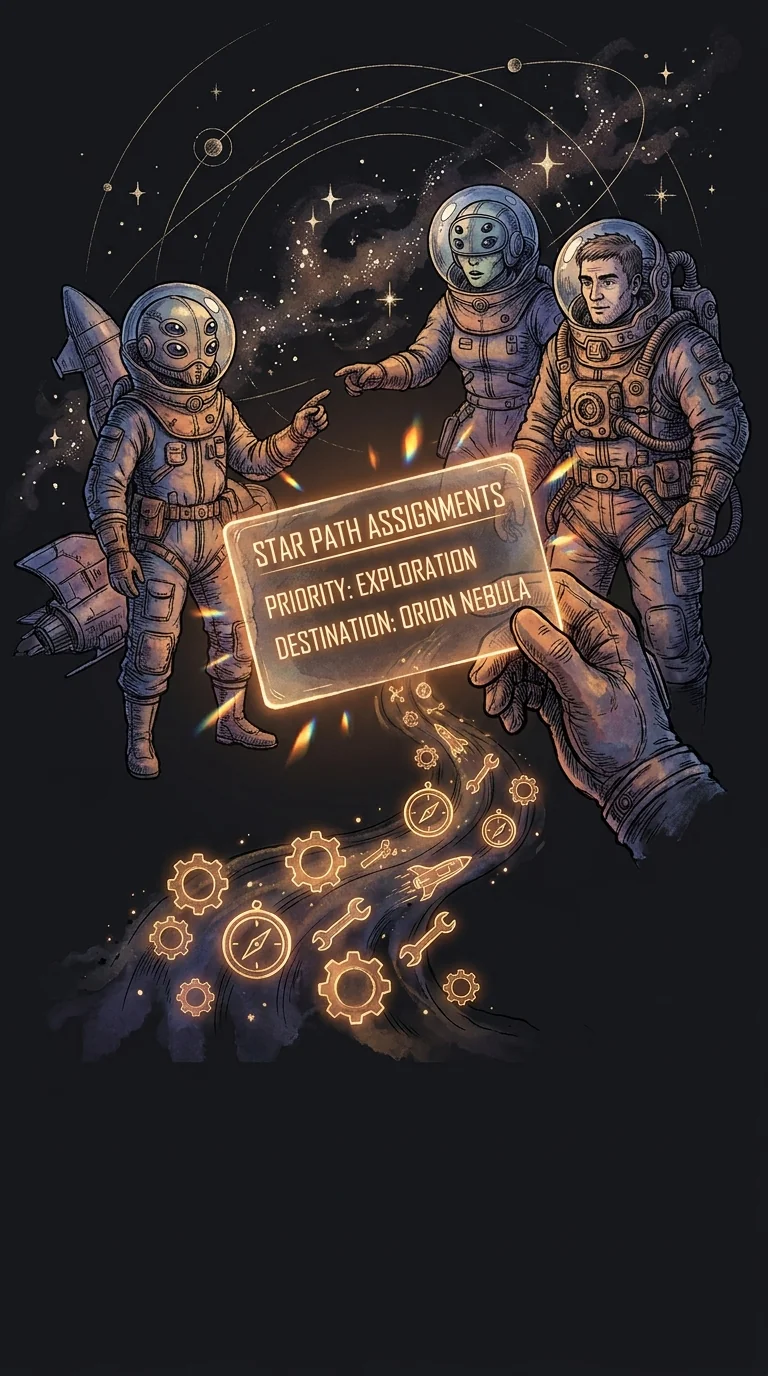
Try the Upstream Check — a three-question filter you run before you touch any task. It takes thirty seconds and saves you from spending four hours on something that wasn't yours to carry.
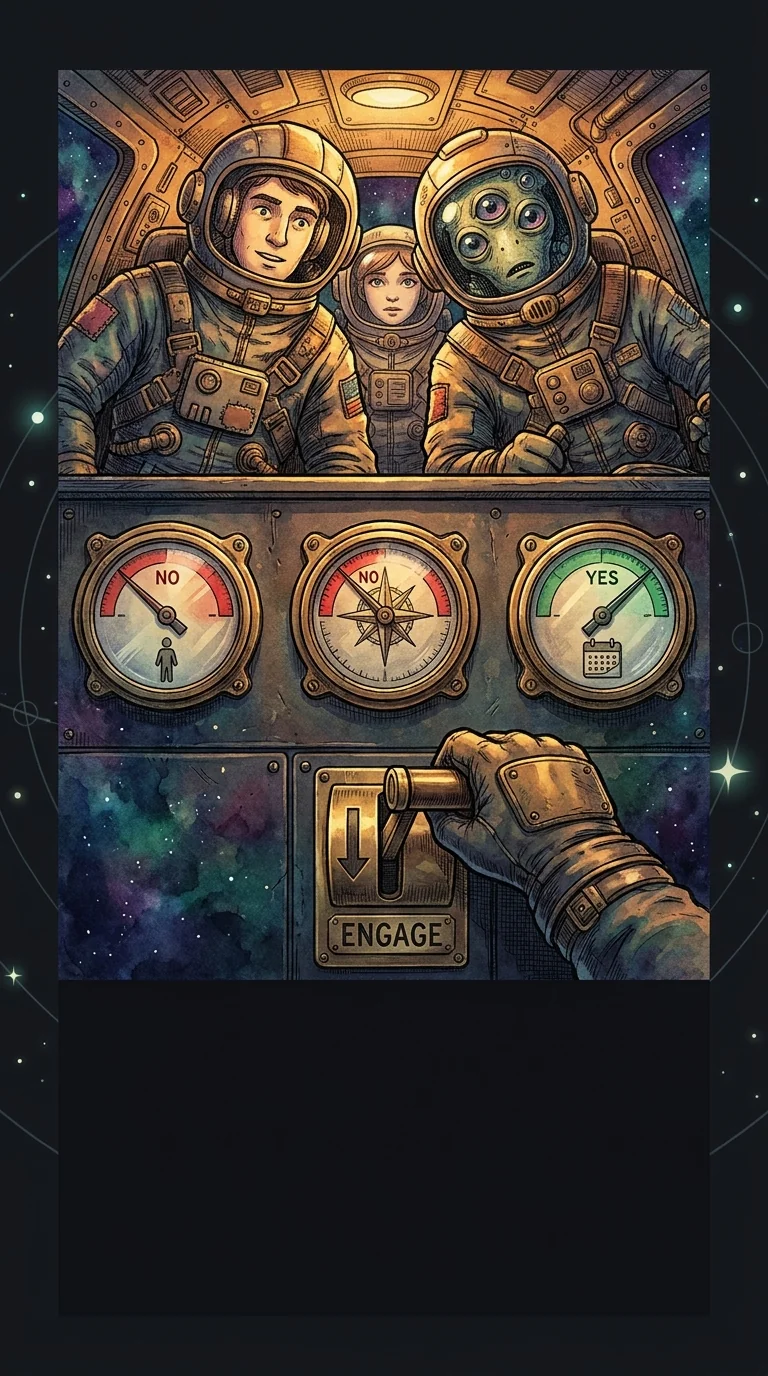
Before each task, ask: (1) Am I the only one who can frame this? (2) Does this shape a decision or just execute one? (3) If I skip this, does anyone even notice by Friday? Two "no" answers and you delegate, defer, or drop it.
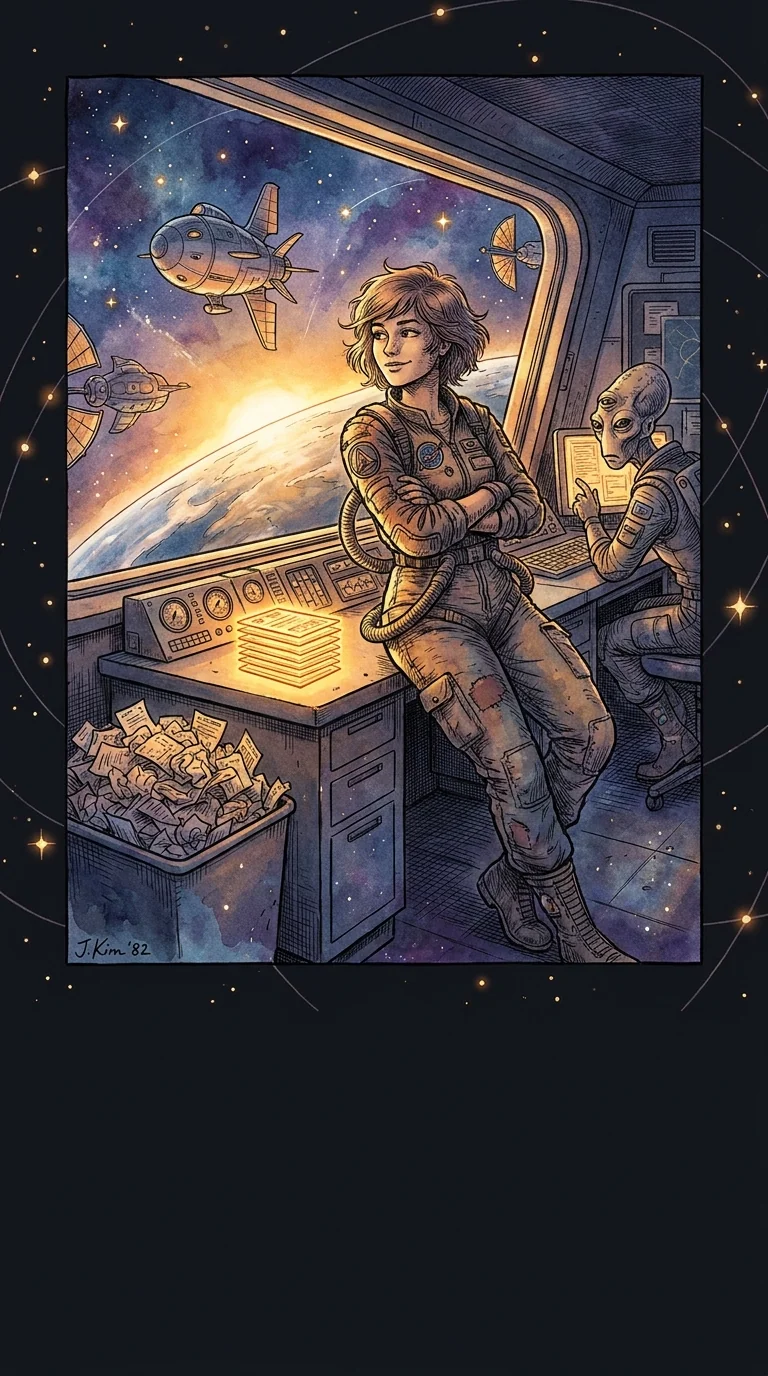
Lisa ran the Upstream Check on her Monday list of fourteen items. Nine of them failed two questions. She handed those off, spent her morning on the five that actually needed her judgment, and left work at a reasonable hour for the first time in weeks. Funny how less doing felt like more leading.
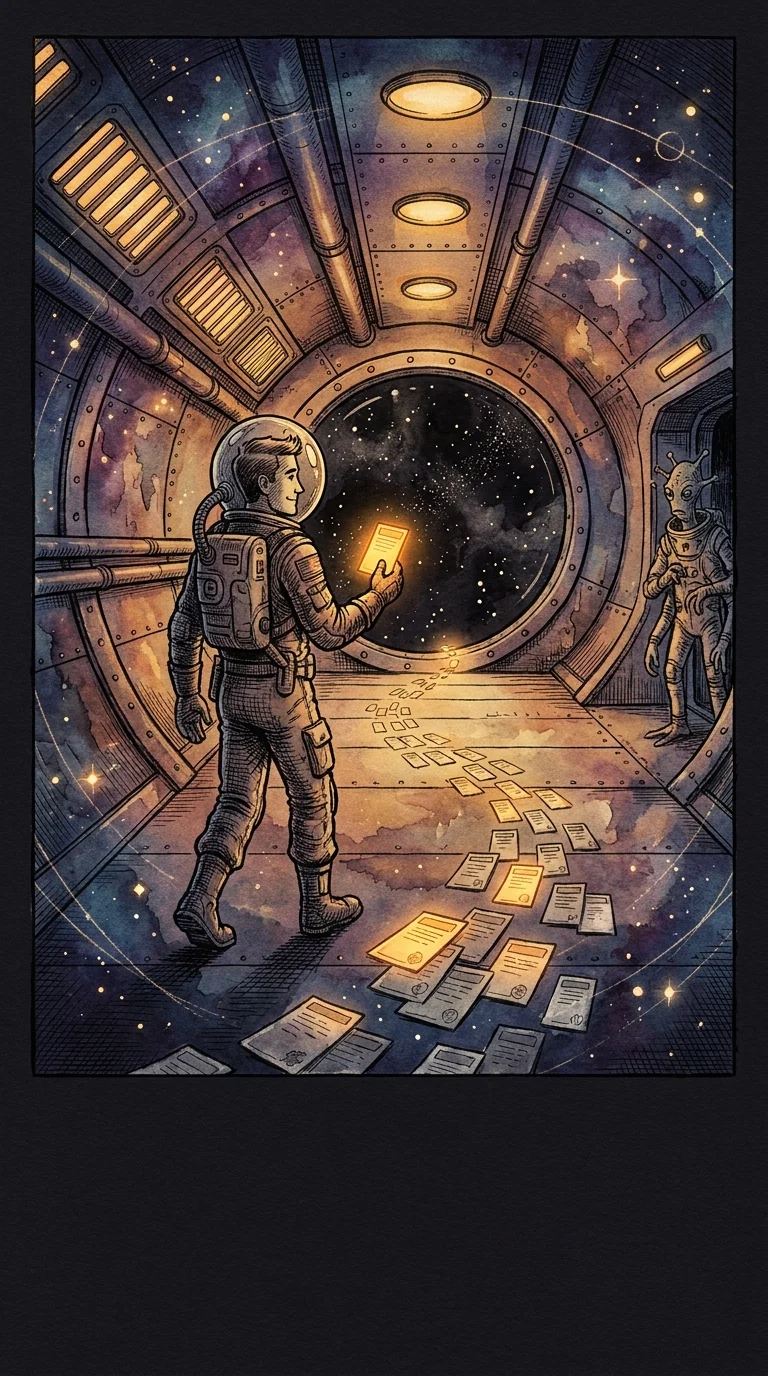
Tomorrow, run the Upstream Check on your first five tasks before you touch any of them. You'll probably discover that half your workload was never really yours. That's not laziness — that's the job you were actually hired for.