Stop Designing for Escape
Marcus spent eleven years building a career he described exclusively in terms of when it would end. "Fourteen more years," he'd say, like a prisoner scratching marks on a wall.
Part 1: Stop Designing for Escape — Concept
+5 XP on completion

Marcus spent eleven years building a career he described exclusively in terms of when it would end. "Fourteen more years," he'd say, like a prisoner scratching marks on a wall.

We've built an entire culture around optimizing for escape. Save aggressively, tolerate the grind, and someday — someday — you get to start actually living. What a bizarre way to spend the only life you've confirmed you have.

The signal worth tuning into isn't "how do I escape this faster." It's "what kind of work would make escape a irrelevant concept?" That question changes every calculation you've been running.

When you design work around what you'd do even without the paycheck, something mechanical shifts. You stop rationing energy for "after" and start spending it on now. Turns out, people who aren't saving themselves for later tend to build remarkable things.

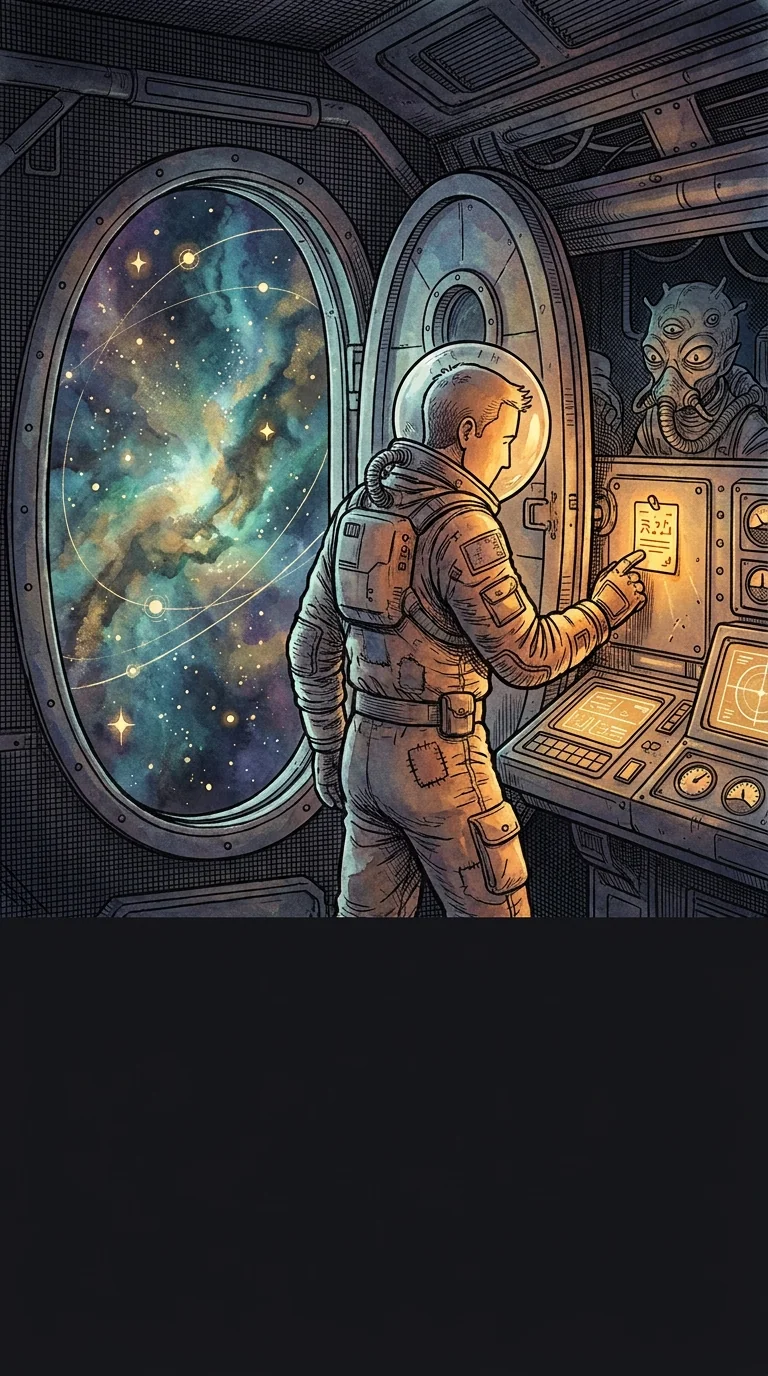
Marcus quit counting years the day he realized his side project — mapping supply routes for frontier medical stations — made him forget to eat lunch. Three times in one week. Nobody forgets lunch for something they need to escape from.

You don't need a forty-year escape plan. You need work that makes the question irrelevant. In Part 2, you'll practice identifying the activities that already make you lose track of time — your raw material for building a career you'd never want to stop. See you there.
Part 2: Stop Designing for Escape — Practice
+10 XP on completion
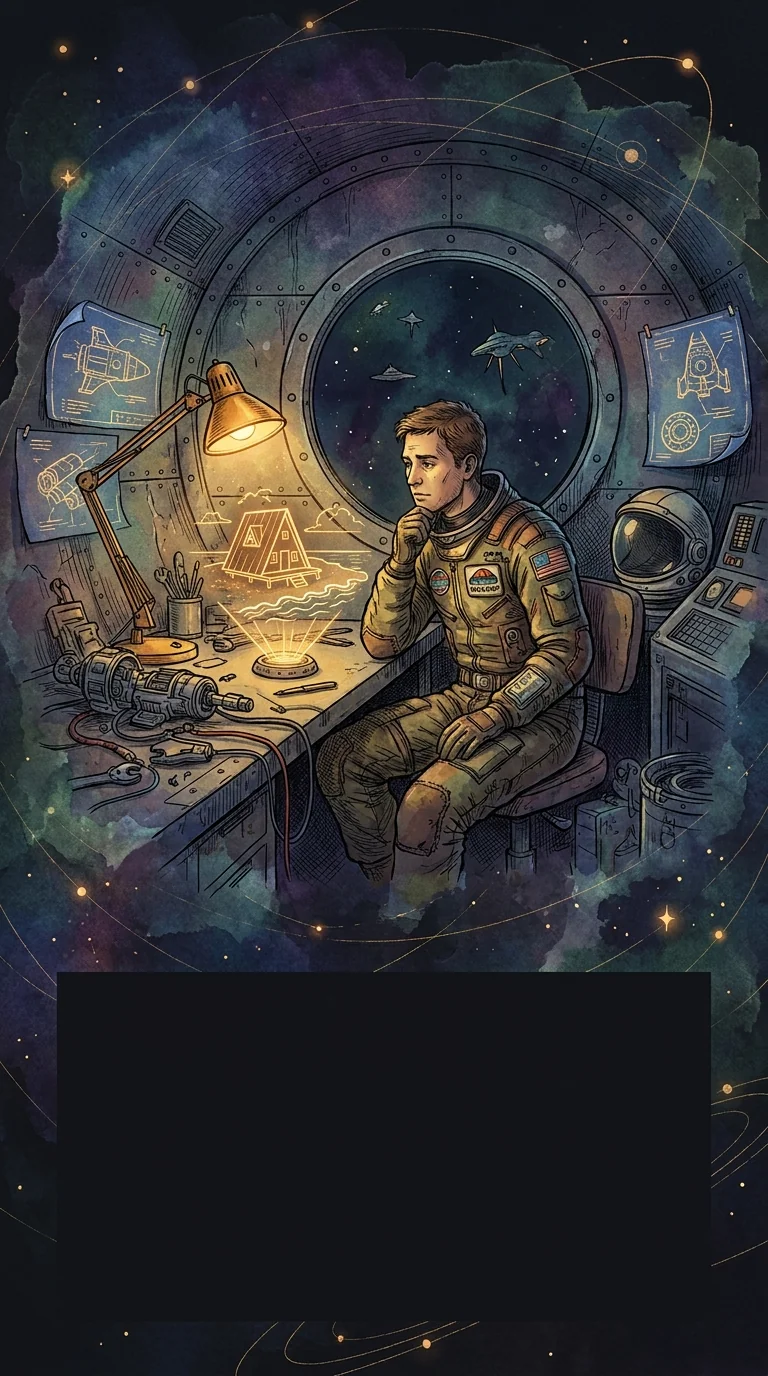
If your ideal future requires you to stop working entirely, that's not a dream — it's a distress signal. So let's figure out what kind of work you'd actually want to keep doing.
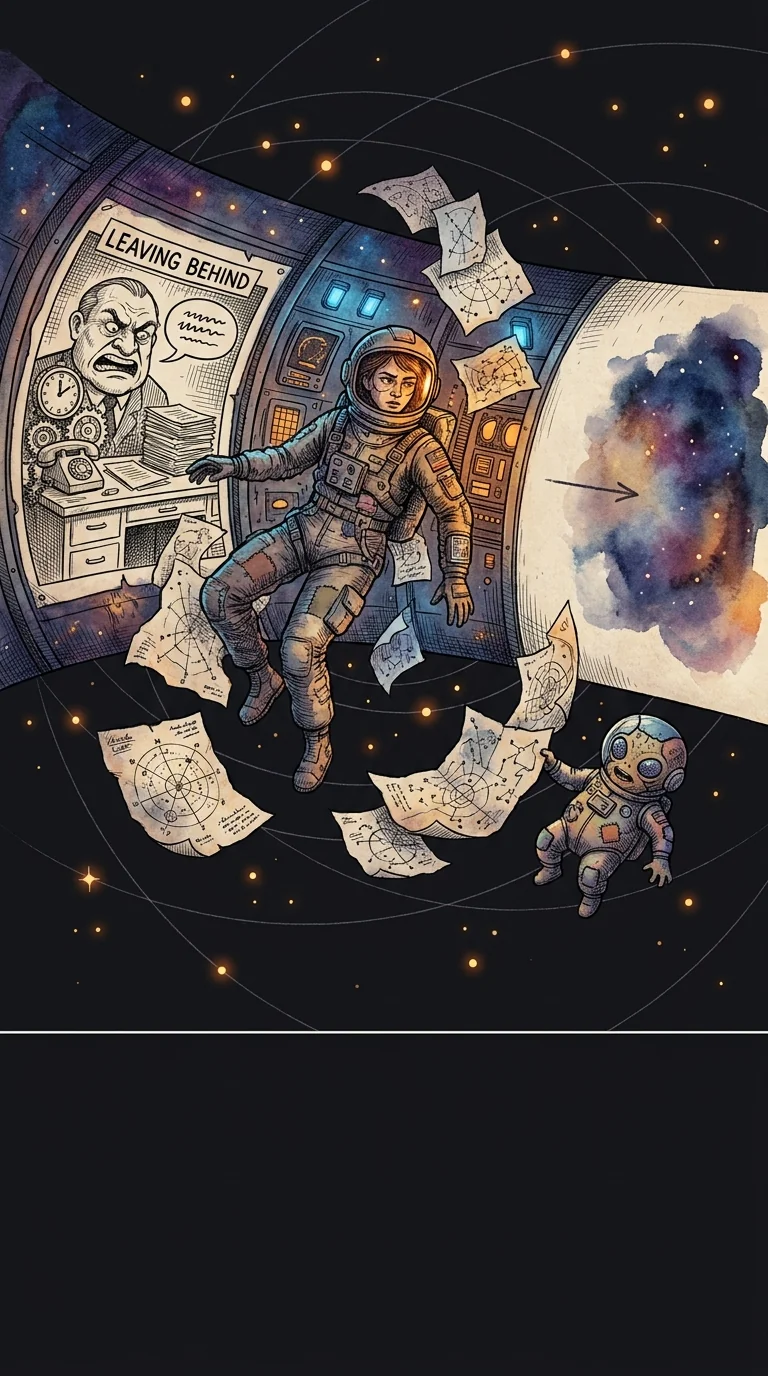
Most escape plans share the same flaw: they describe what you're running from in exquisite detail and what you're running toward in watercolors. "I'll figure it out when I get there" is not a heading — it's a drift.
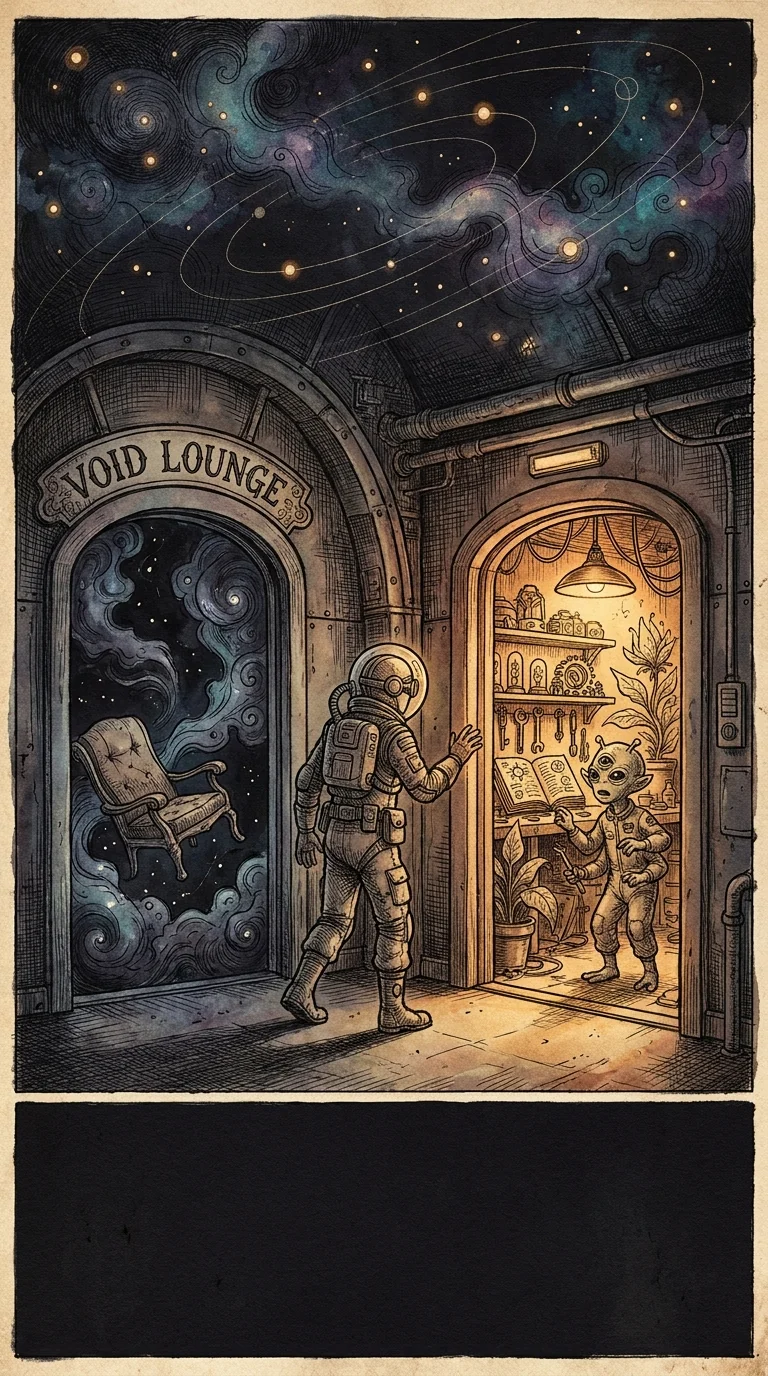
Try this exercise: The Stay Test. Instead of asking "What would I do if I could retire tomorrow?" ask "What work would I keep doing even if I never had to stop?" One question designs an exit. The other designs a life.

Here's how it works. Write down ten activities from your current or past work. For each one, mark it: KEEP (I'd do this for free on a Saturday), DROP (this is why I fantasize about quitting), or SHIFT (I like this, but the context is wrong). Your keep list is the signal.
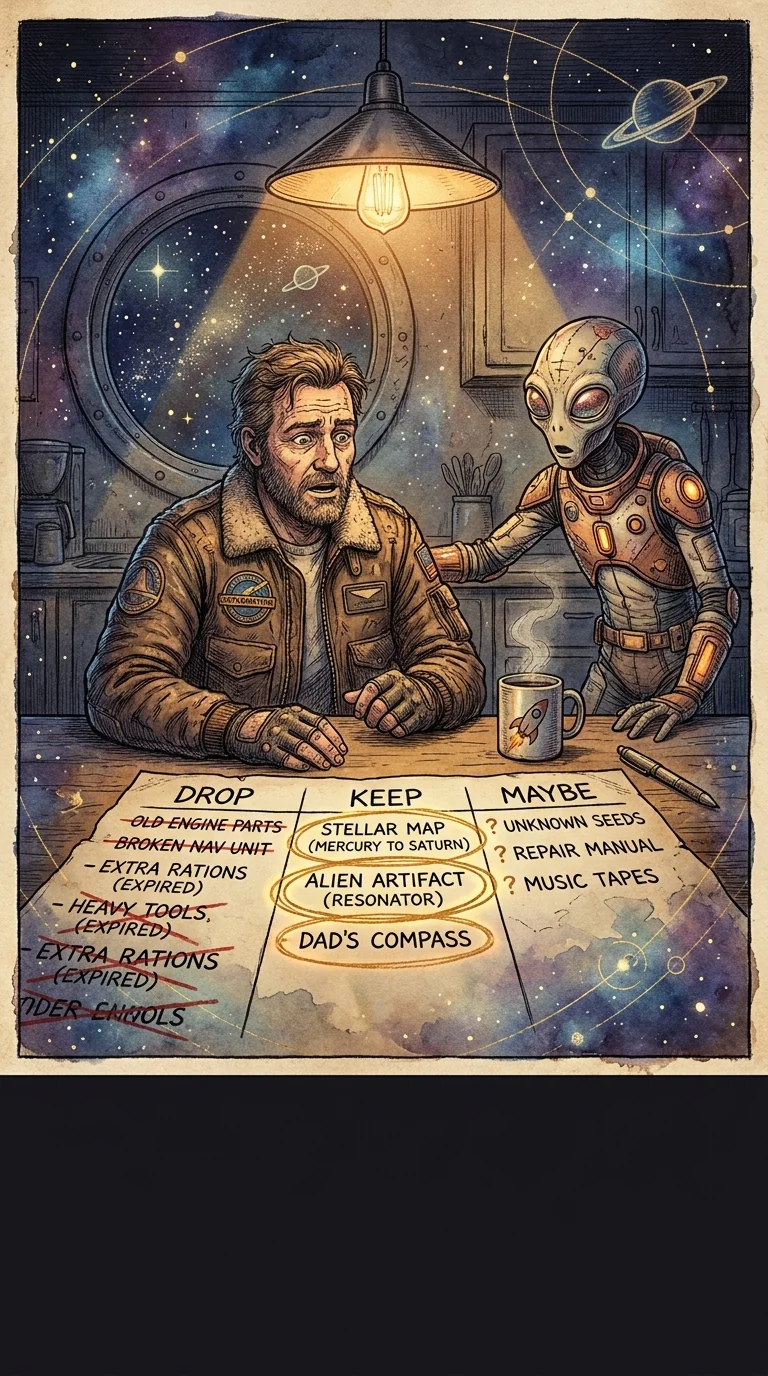
Marcus ran the Stay Test on a Tuesday night. His DROP list was long — budgets, status meetings, quarterly reports. His KEEP list had three items: mentoring junior engineers, solving weird edge-case problems, and sketching system designs on whiteboards. He'd spent a decade planning his escape from a job that was 70% DROP. He didn't need a new planet — he needed a new ratio.
You don't need permission to stop designing for escape. Run the Stay Test tonight. Your keep list won't just tell you what you love — it'll show you where to aim next.