Permission to Test
You've got an idea that won't shut up. It taps you on the shoulder at 2 a.m., whispers during meetings, and doodles itself on napkins — but you won't do anything about it because what if it's the idea that wrecks everyth
Part 1: Permission to Test — Concept
+5 XP on completion
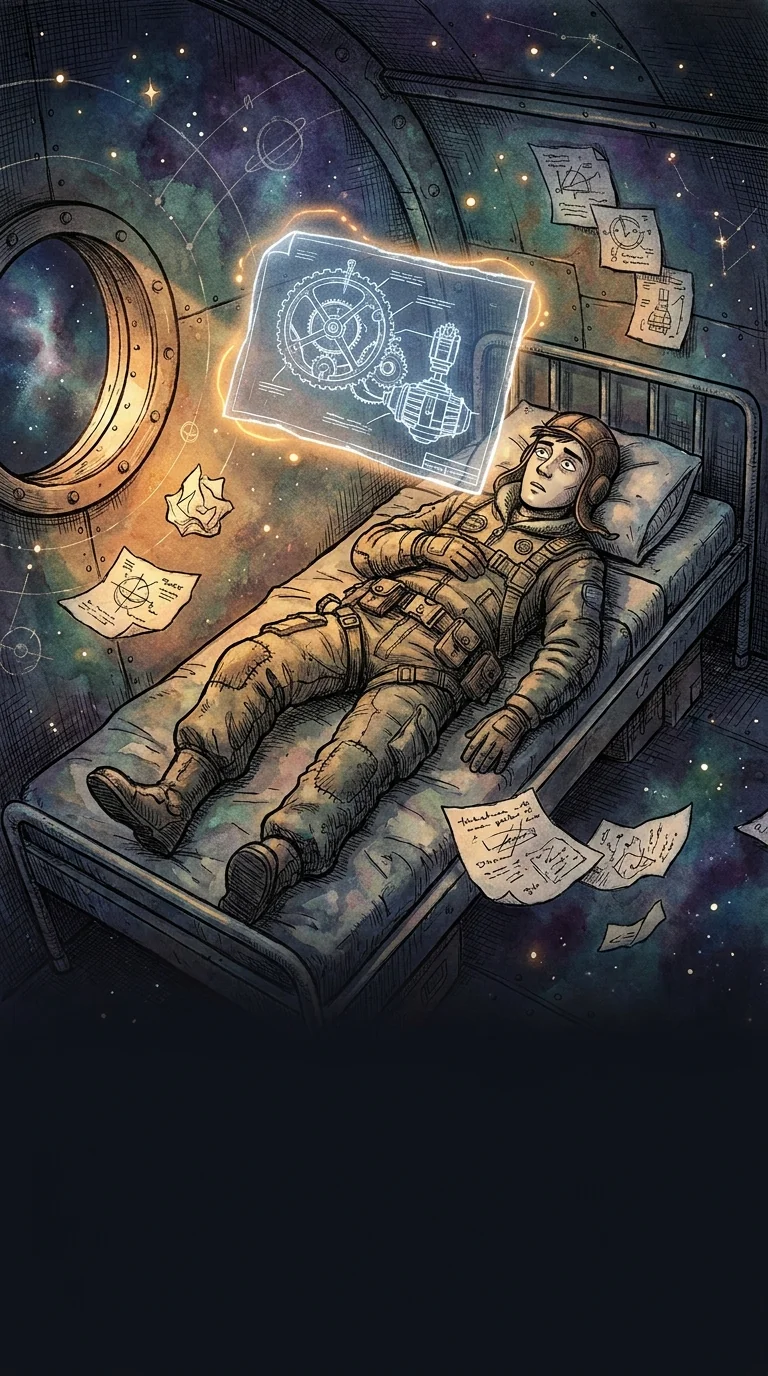
You've got an idea that won't shut up. It taps you on the shoulder at 2 a.m., whispers during meetings, and doodles itself on napkins — but you won't do anything about it because what if it's the idea that wrecks everything.

We treat new ideas like all-or-nothing bets — quit your job, drain the savings, announce it at dinner, burn the ships. No wonder most ideas die in the napkin stage. The gap between "interesting thought" and "bet your whole career" doesn't have to be a canyon.
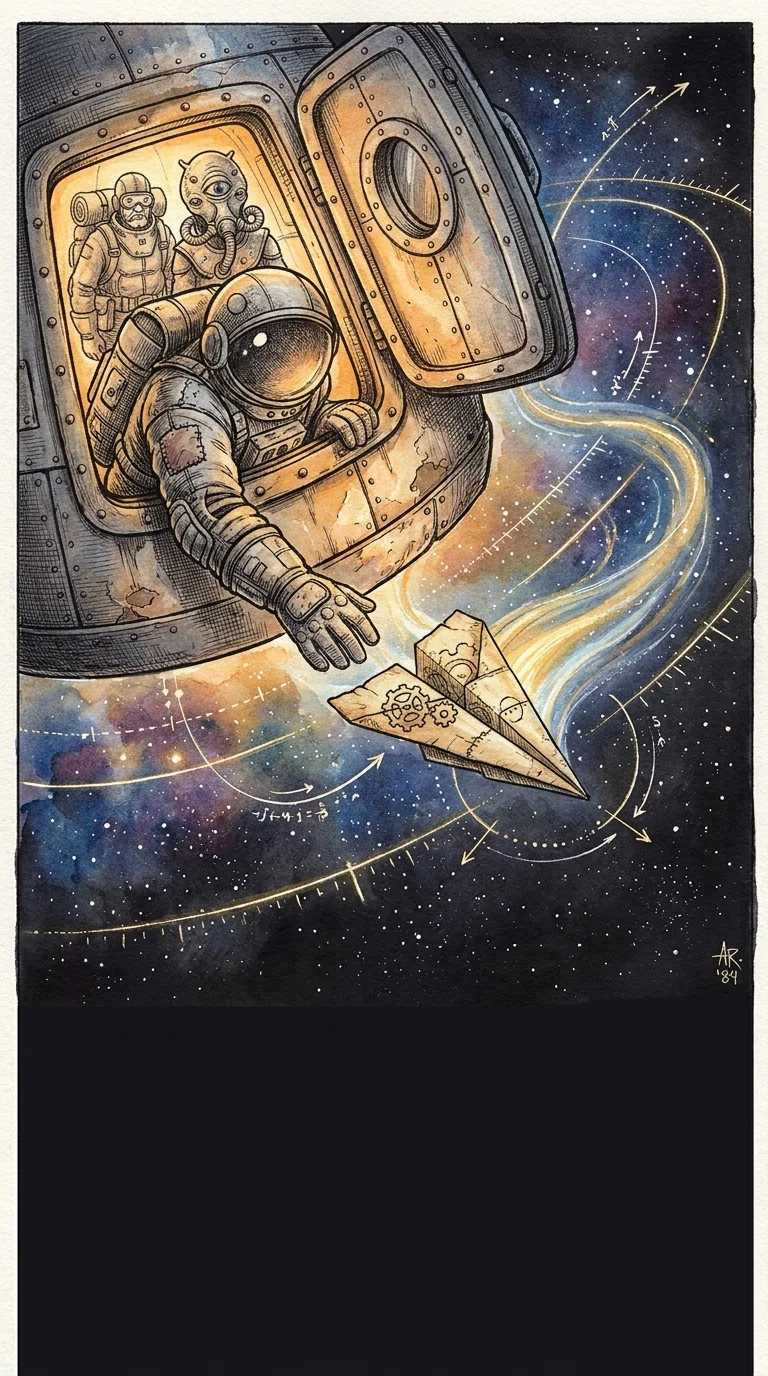
The smallest testable version of your idea is almost never as big as you think it is. One conversation. One afternoon project. One post. You don't need to launch a ship — you need to launch a paper airplane and see which way the wind blows.
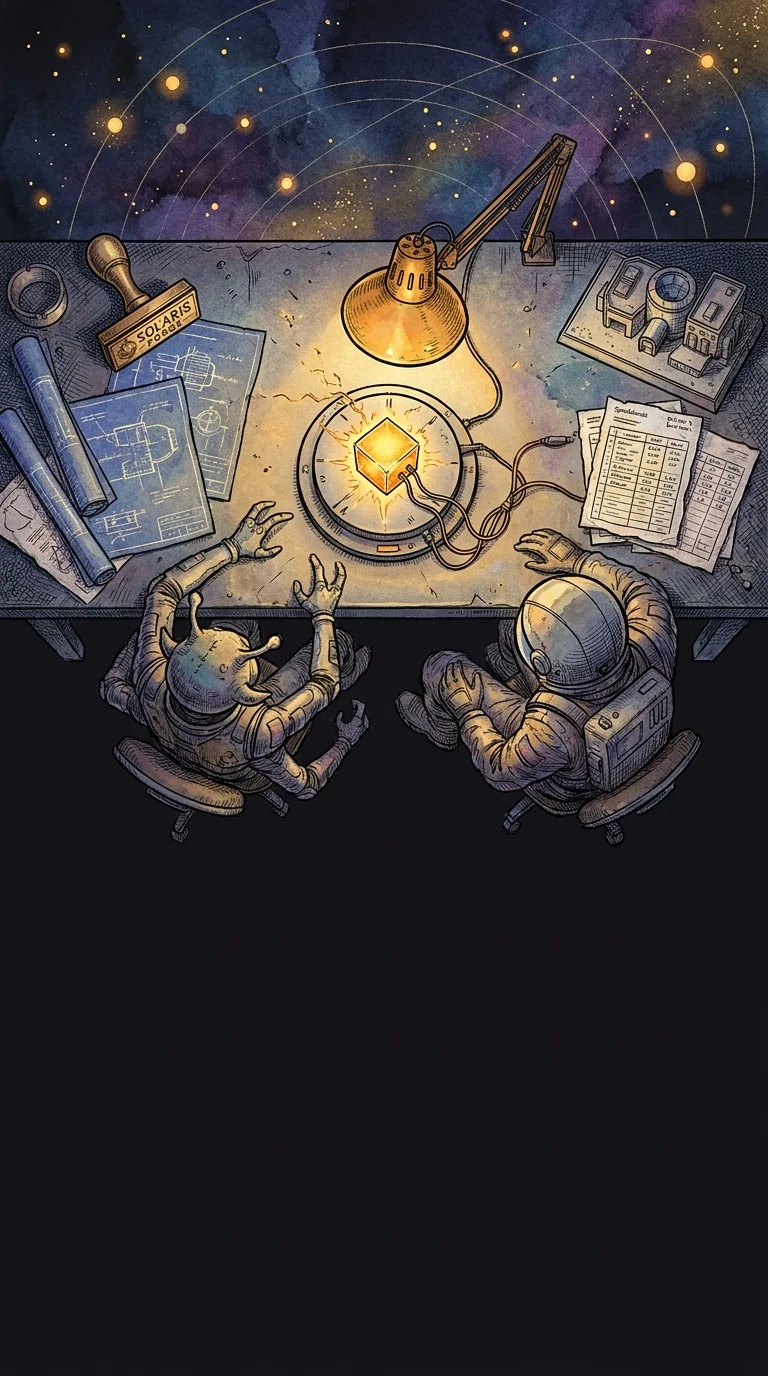
Pick the riskiest assumption — the one thing that has to be true for your idea to work — and test only that. Not the logo, not the business plan, not the five-year projections. The one assumption. Everything else is decoration until that's answered.
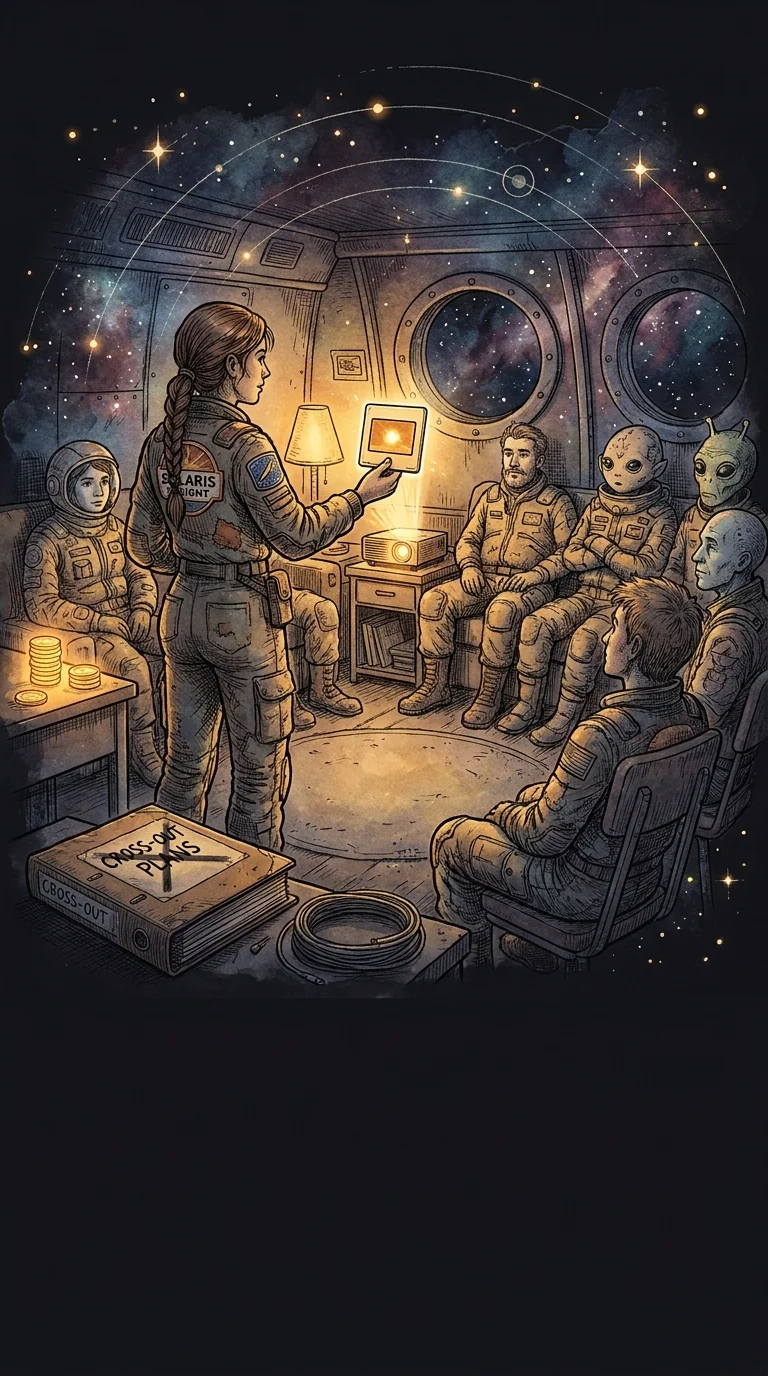
Lisa spent six months designing a course curriculum nobody asked for. Then she tried something reckless: she posted one lesson as a free workshop and asked twelve people to show up. Eight did. Three said they'd pay for more. Six months of planning replaced by one Saturday afternoon — and an actual answer.
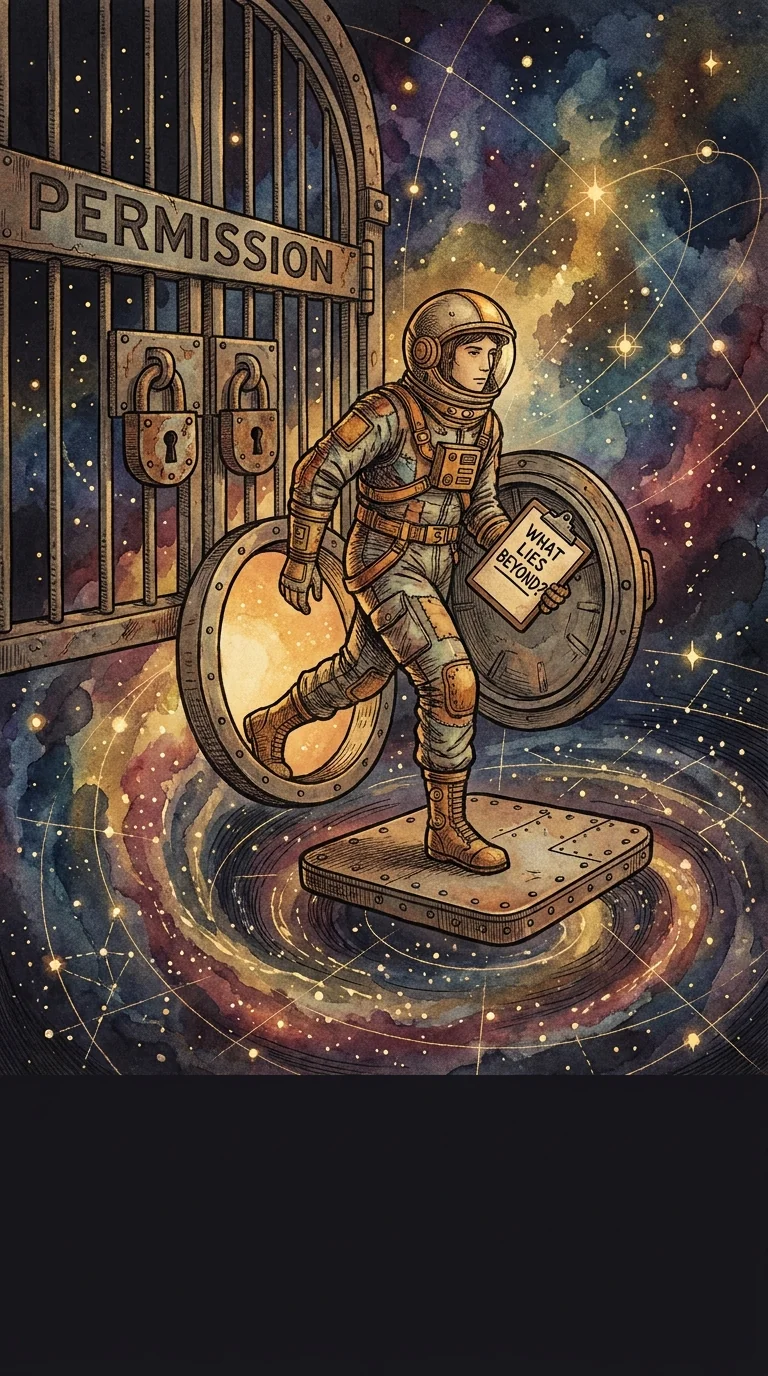
You don't need permission to test. You never did — you just need a question small enough to answer this week. In Part 2, you'll practice designing your own minimum viable test for the idea that won't leave you alone. See you there.
Part 2: Permission to Test — Practice
+10 XP on completion
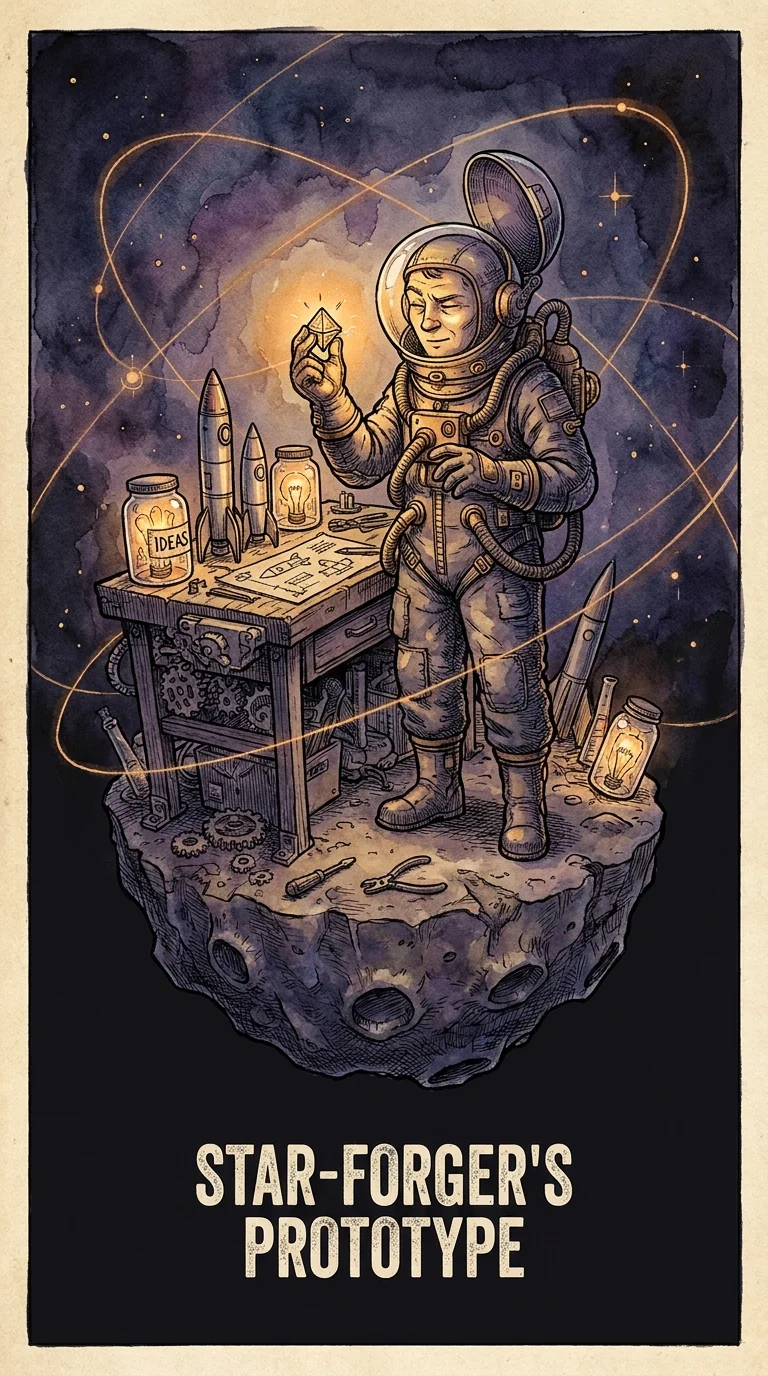
You don't need permission to reinvent your whole life. You need permission to run one small, weird experiment this week.
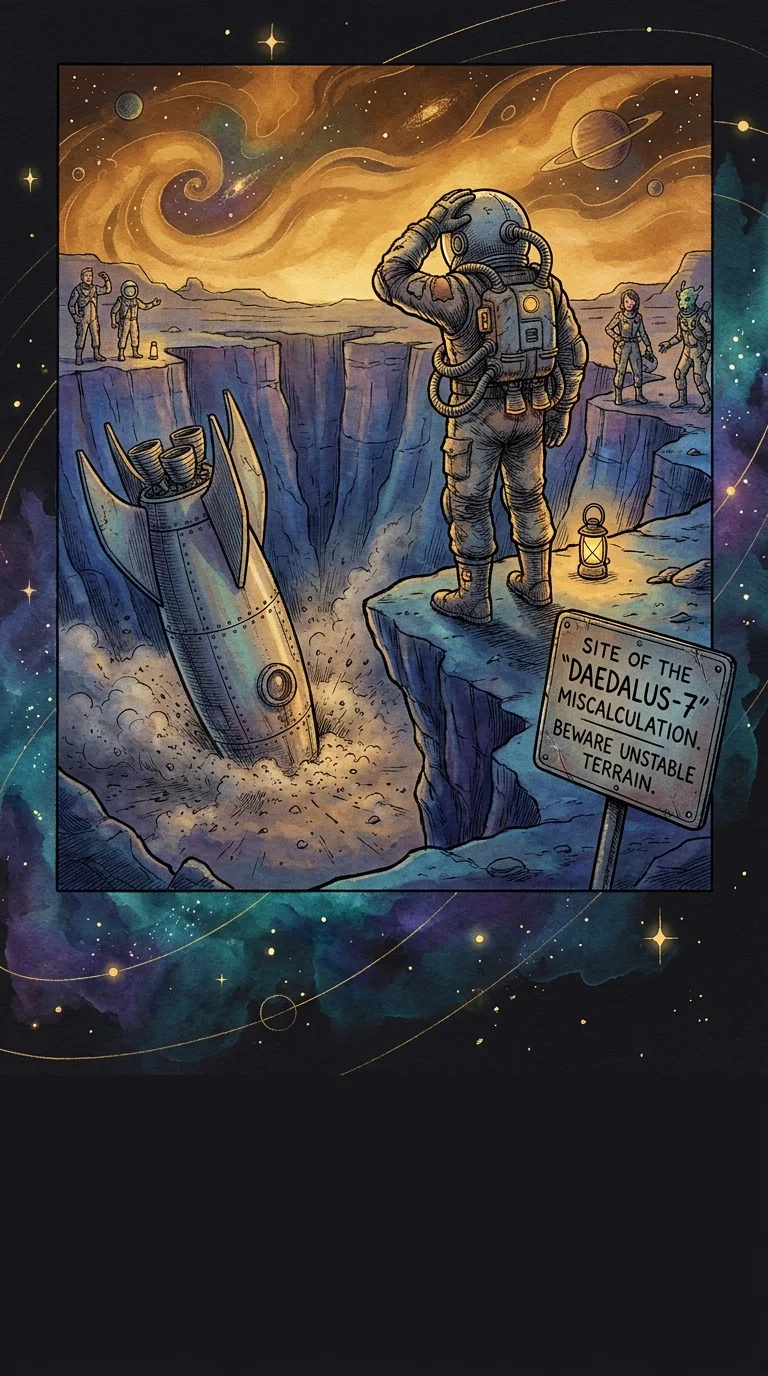
Most career pivots fail because people skip the test flight and go straight to selling the house. You don't need to quit anything to find out if something works.
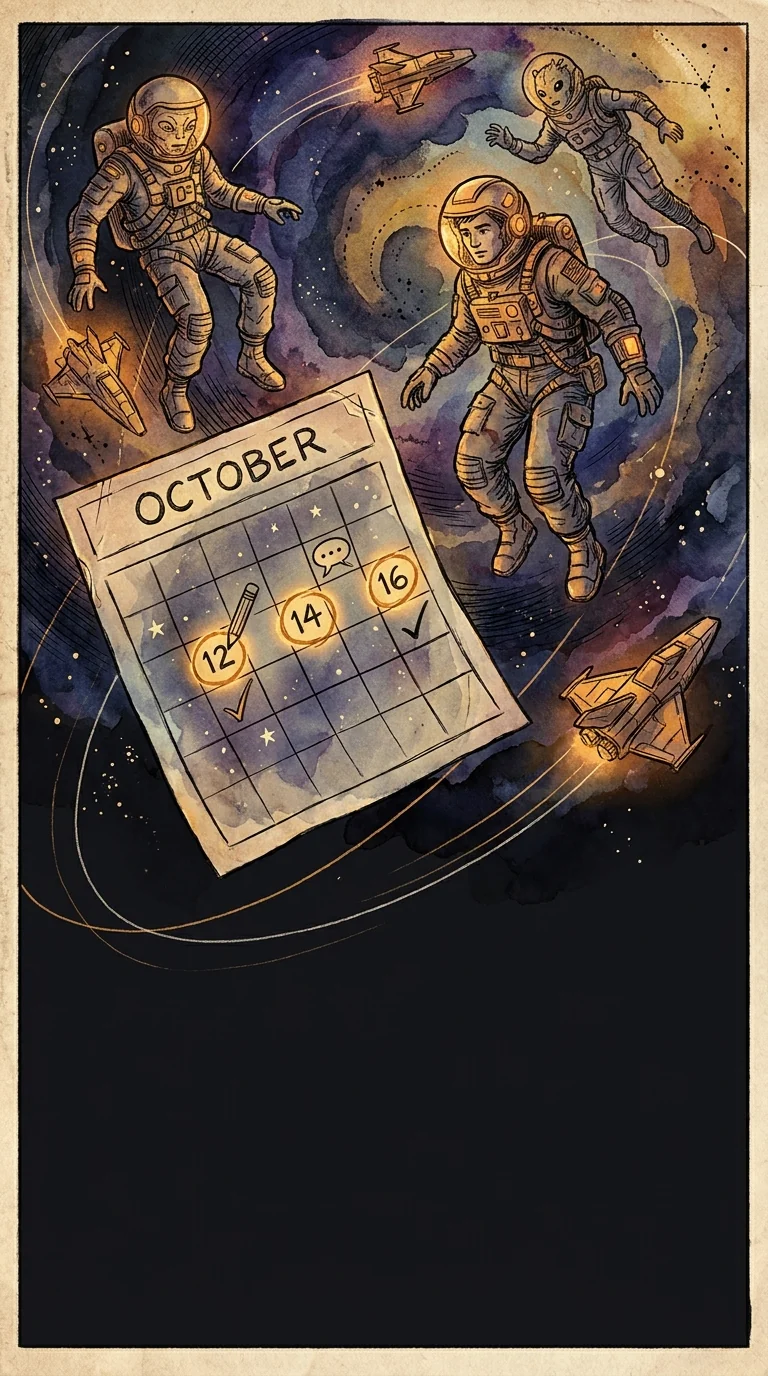
The technique is called the 72-Hour Micro-Test. You pick one idea, give it three days and zero budget, and see if reality agrees with your imagination.
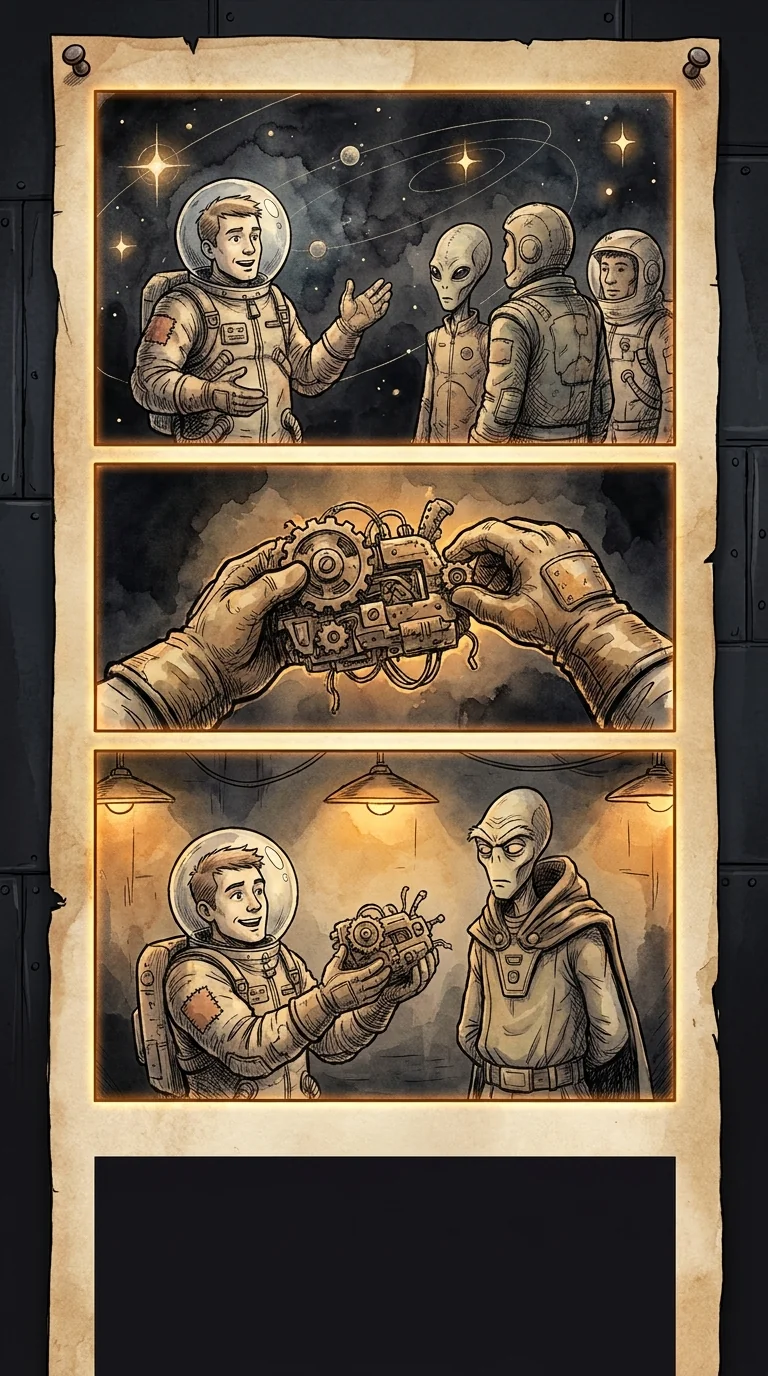
Day one: describe your idea to three real humans and write down their actual reactions — not the polite ones. Day two: build the ugliest possible version. Day three: put it in front of someone who'd actually pay for it, and watch their face.
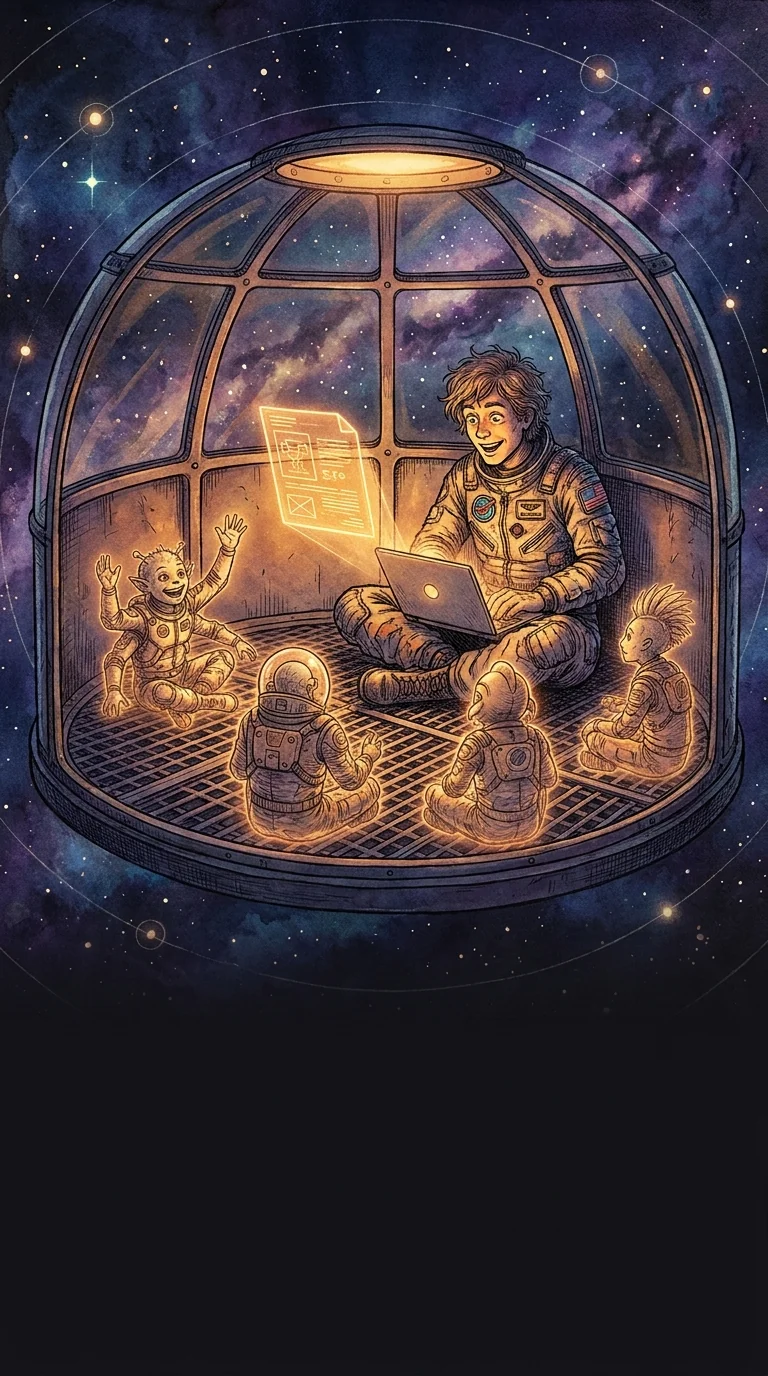
Alex spent months planning a course on data storytelling. Then they ran a 72-hour test — one free workshop, five attendees, a shared doc for feedback. Two people asked to pay before it was over. That was the only market research that mattered.

You have an idea rattling around in your skull right now. Give it 72 hours and some daylight. The worst outcome is you learn something — and that's a pretty lousy worst outcome.