Find Your Crew
You've been building alone in the dark for weeks, proud of every rivet you've hammered. Then someone walks in and solves your hardest problem in eleven minutes.
Part 1: Find Your Crew — Concept
+5 XP on completion
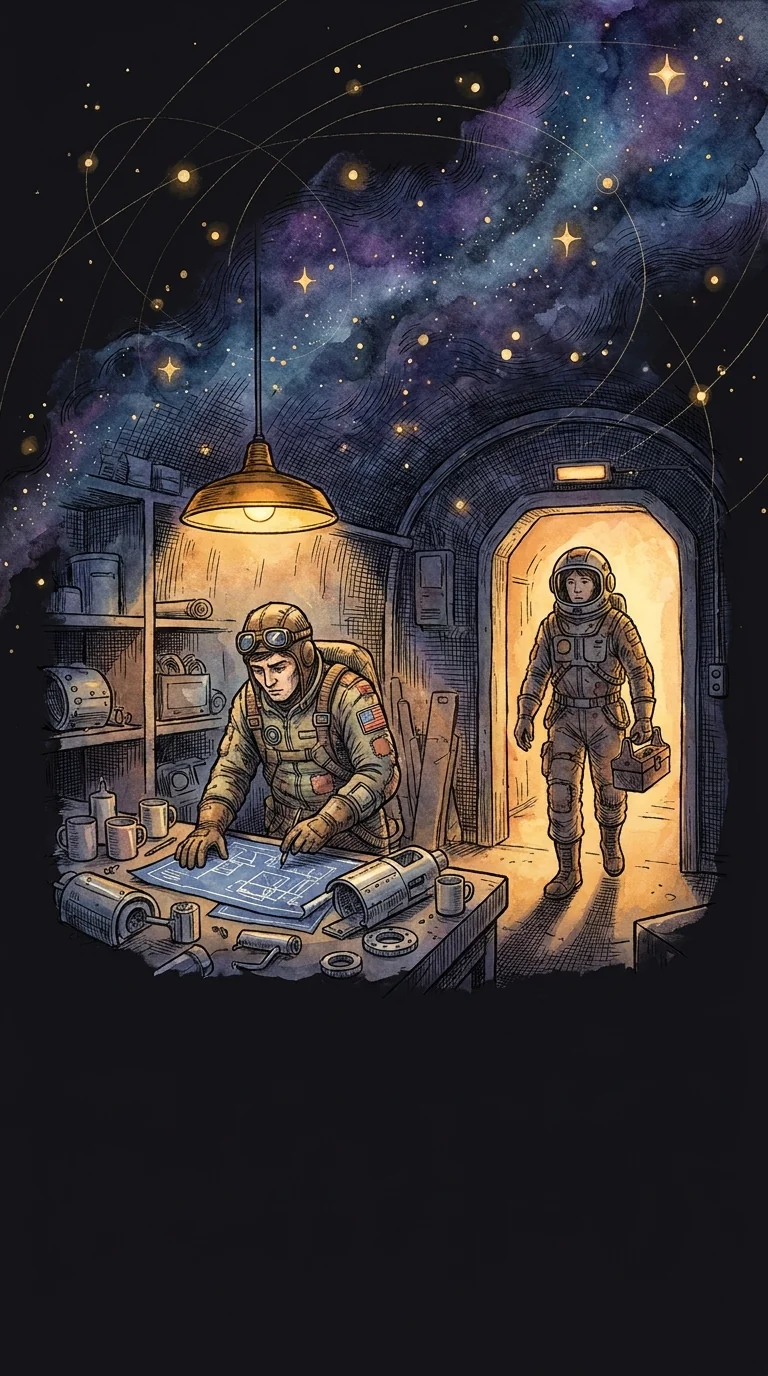
You've been building alone in the dark for weeks, proud of every rivet you've hammered. Then someone walks in and solves your hardest problem in eleven minutes.
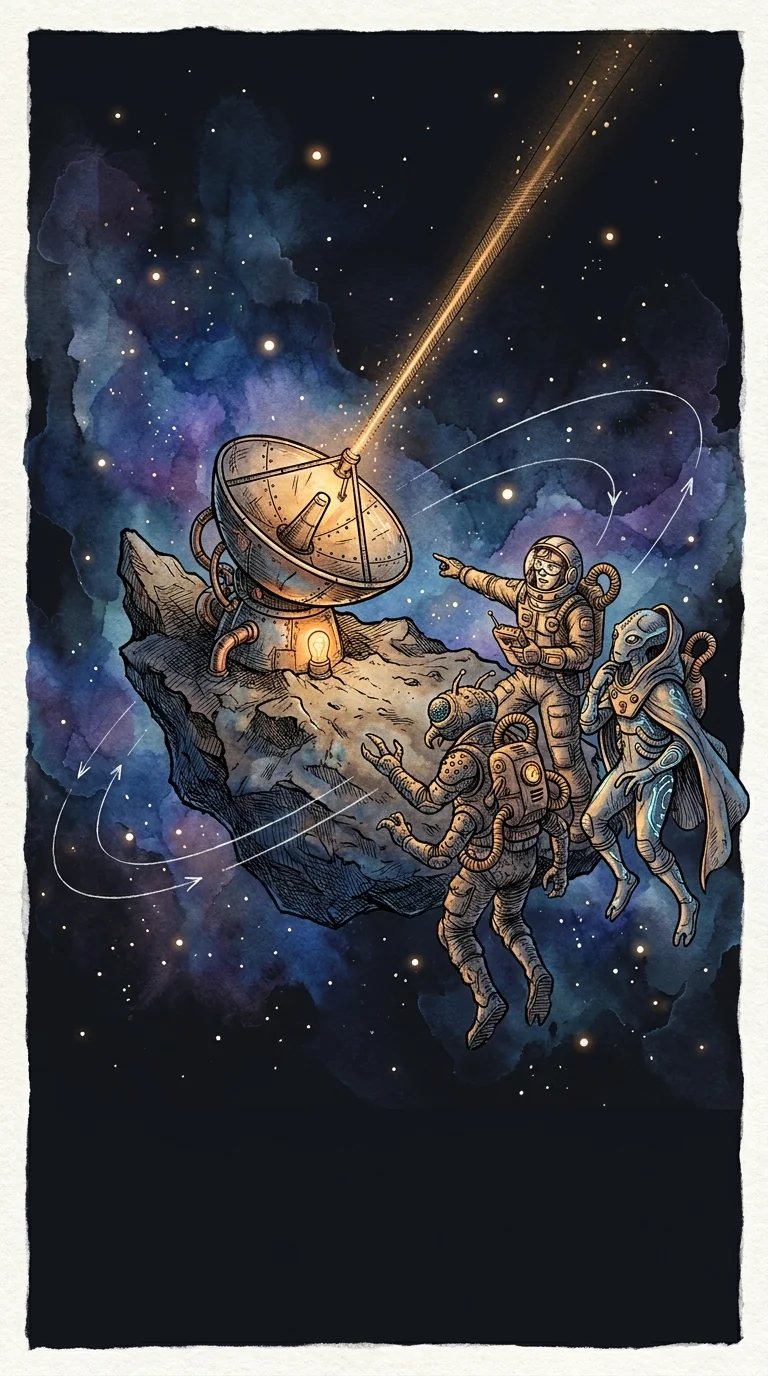
Solo genius makes a great origin story. It makes a terrible growth strategy. The signal you're building needs range you don't have alone — different ears, different frequencies, different reach.
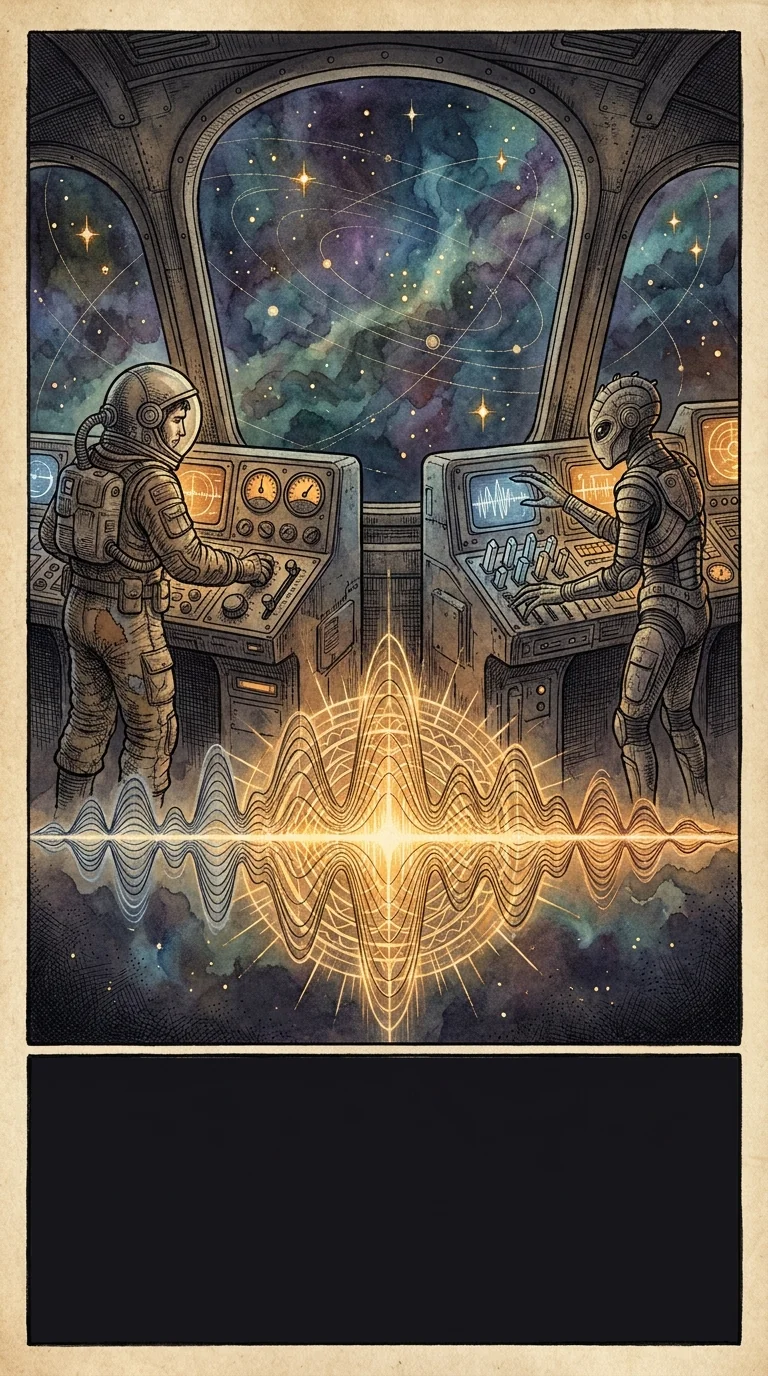
The right collaborators aren't mirrors — they're multipliers. They don't echo your signal; they add harmonics you couldn't produce on your own. That's the difference between a fan and a crewmate.
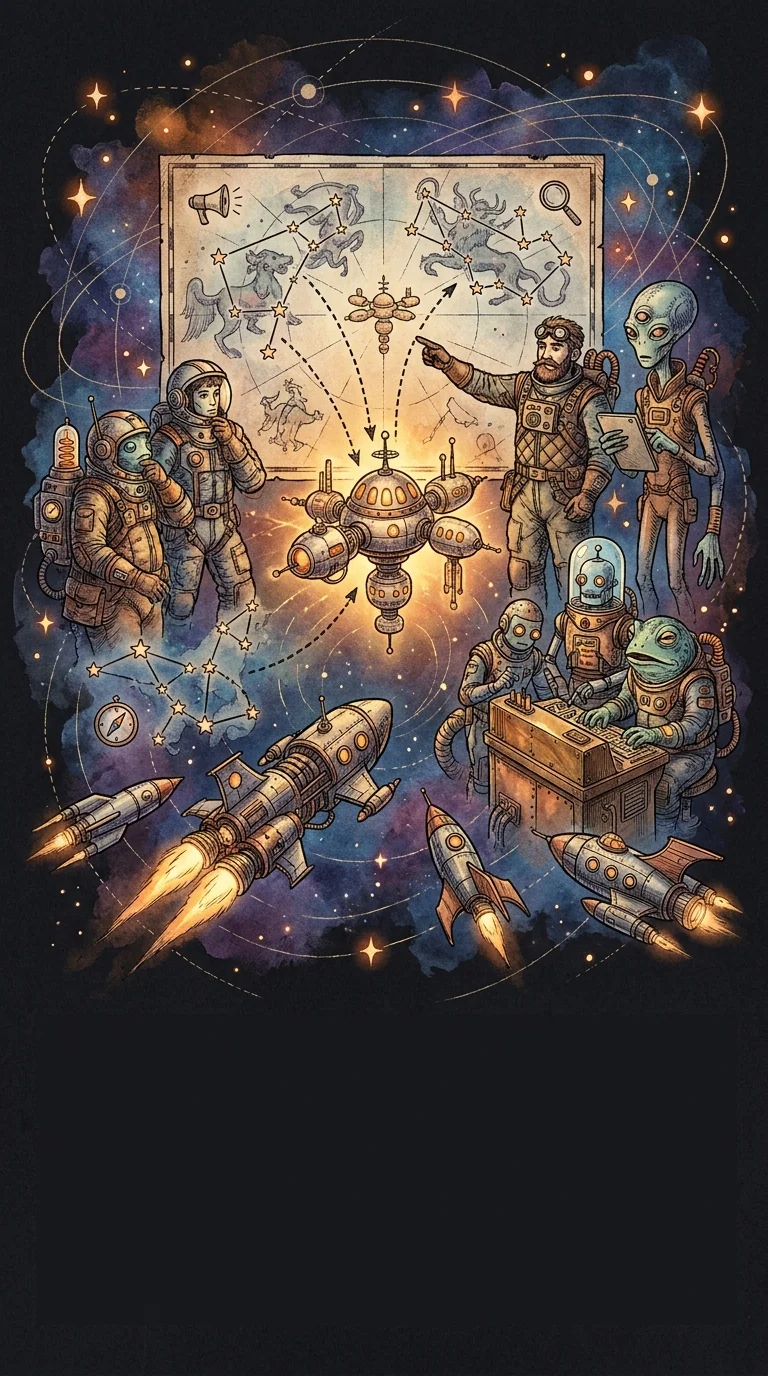
Look for three kinds of crew: someone who shares your audience but not your skill, someone who challenges your blind spots, and someone who's already where you want to go. One of each changes everything.
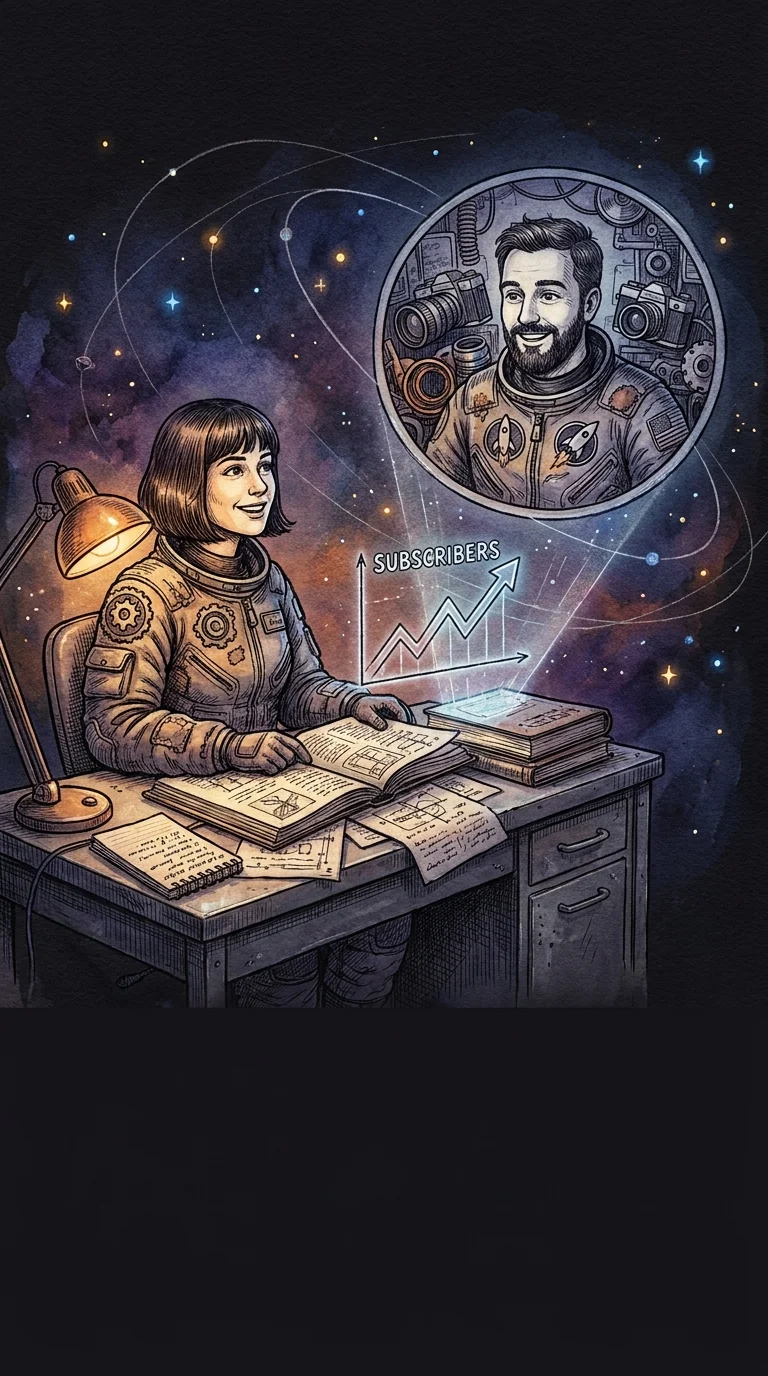
Lisa spent a year writing detailed repair guides that got decent traction. Then she partnered with Marcus, who made short diagnostic videos. His audience needed her depth; hers needed his speed. Together they reached four times the people either could alone.
Your signal is yours. Your crew makes it louder, sharper, and capable of reaching corners of the sky you didn't know existed. In Part 2, you'll practice identifying and reaching out to your first three crew candidates. See you there.
Part 2: Find Your Crew — Practice
+10 XP on completion
The right crew doesn't just cheer for your signal — they add frequencies you can't broadcast alone. So how do you actually find those people instead of just hoping they wander past?
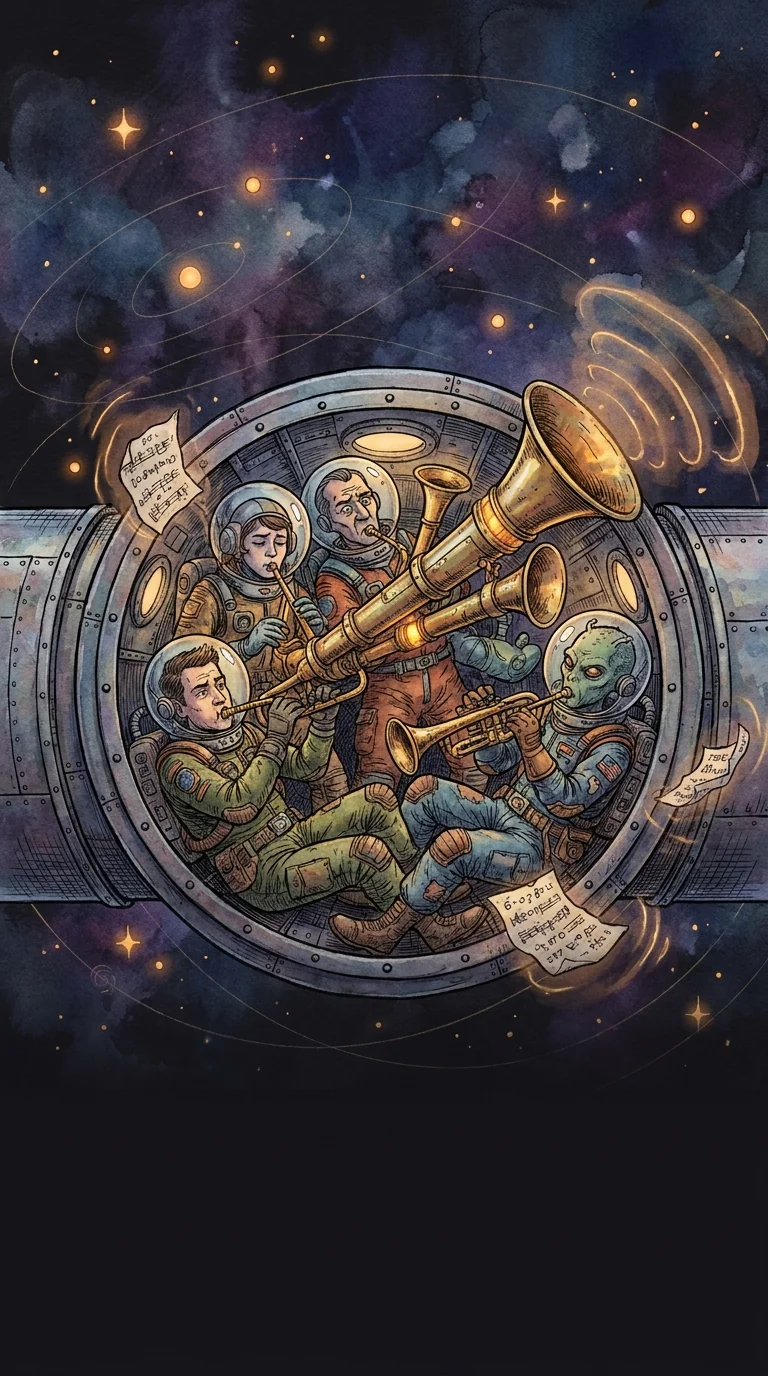
Most crew-finding goes wrong at step one: you look for people who do what you do. That gets you a room full of identical instruments playing the same note — loud, sure, but not a song.
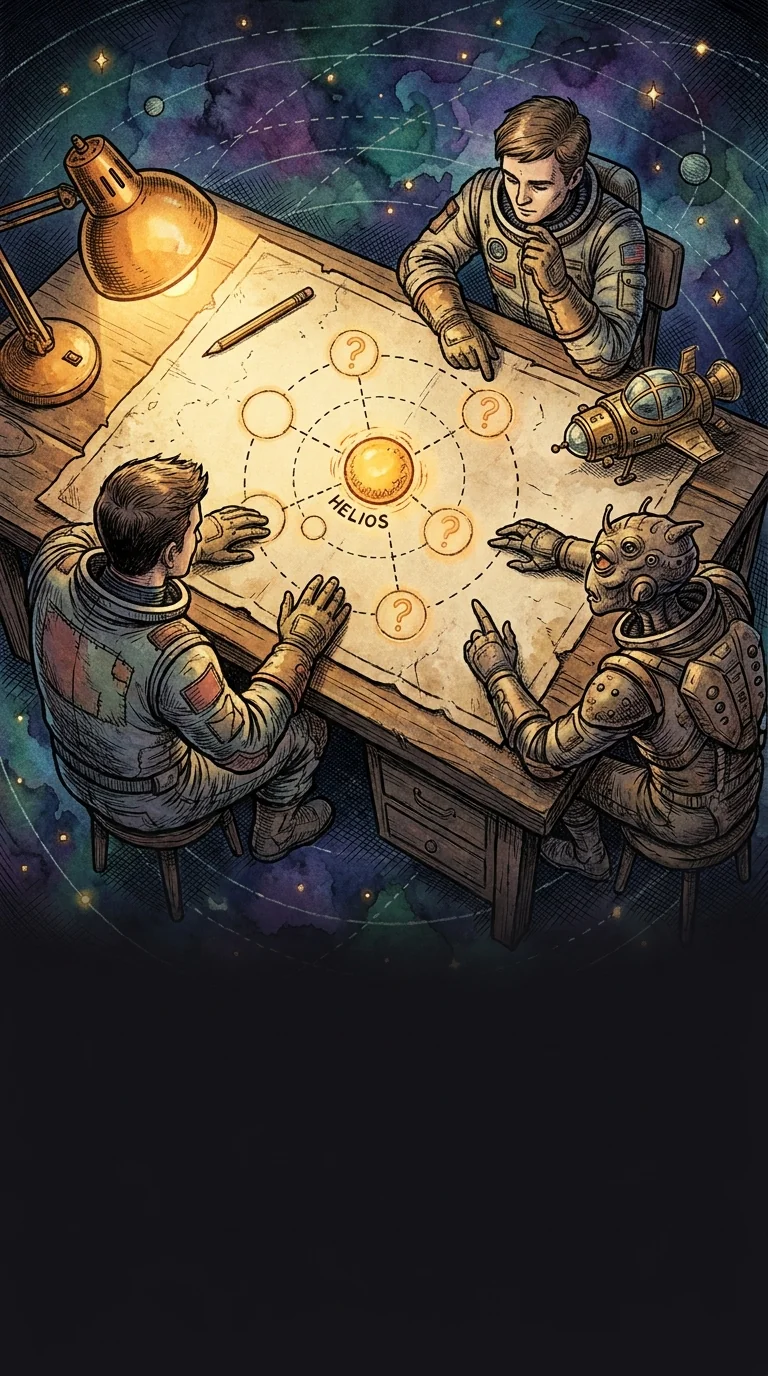
The technique is called the Complement Map. You don't list who's like you — you map what's missing. Your gaps are someone else's genius, and that overlap of difference is where the real signal gets built.
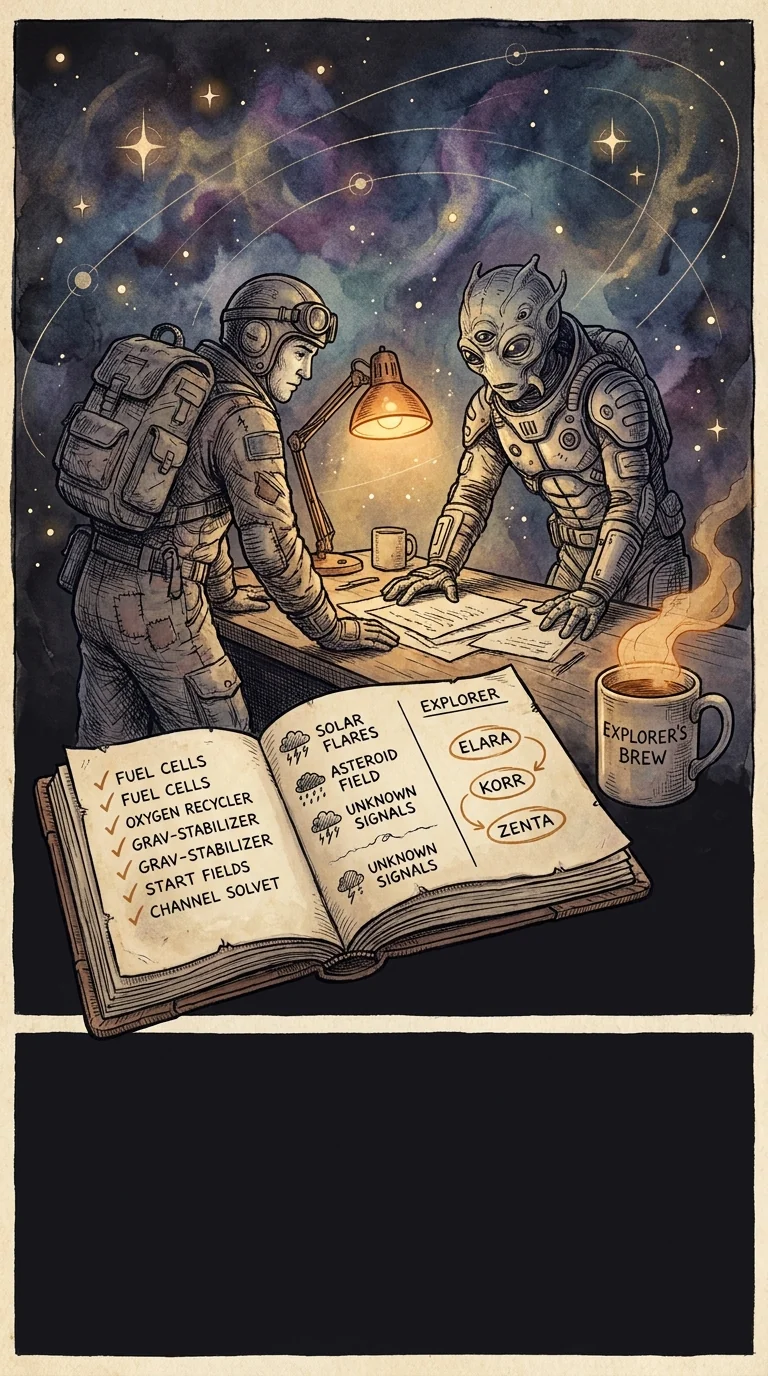
Three columns. Column one: what you do well enough to stake your name on. Column two: what your work needs that makes you groan. Column three: who you've seen doing that groan-worthy thing like it's breathing. That third column is your crew shortlist.
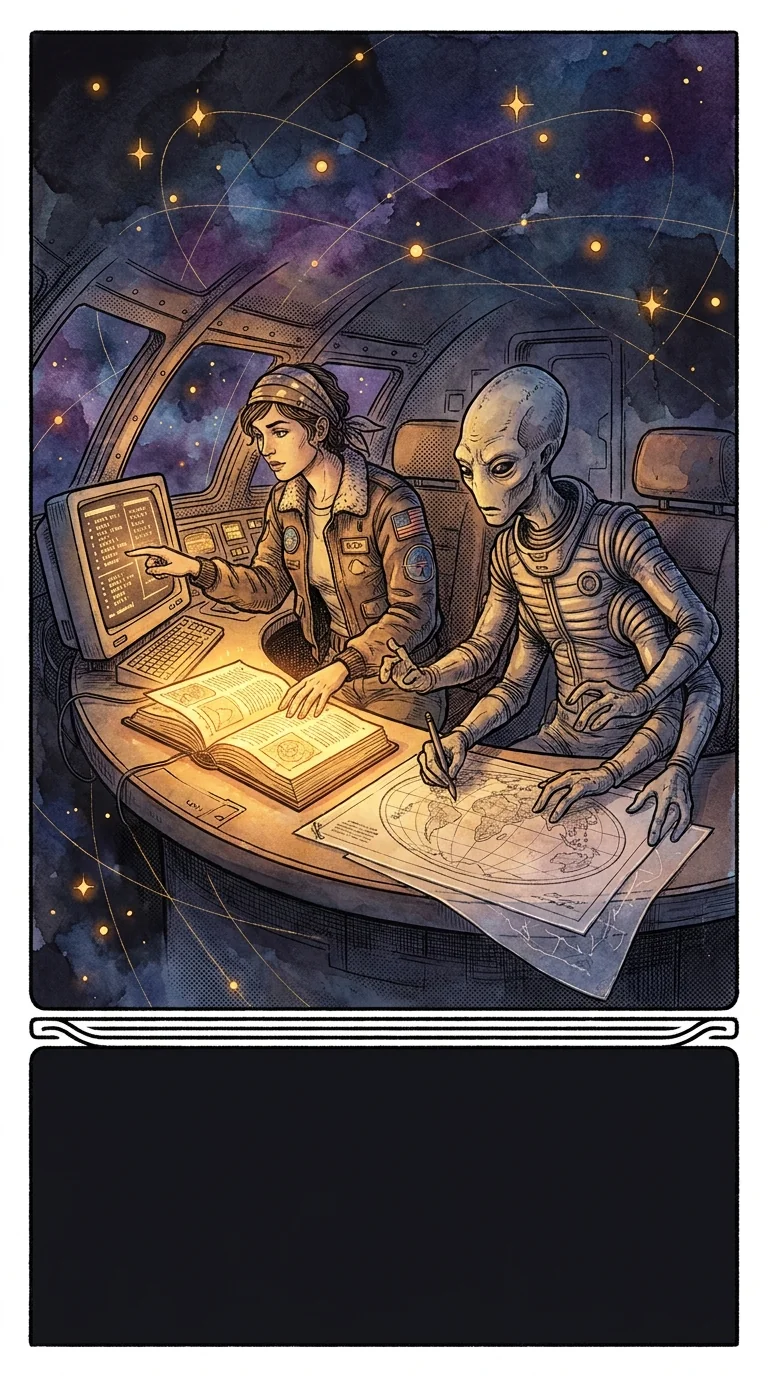
Lisa built a Complement Map for her cartography side project. She was great at data but terrible at visual design — so she reached out to Alex, whose maps were gorgeous but data-thin. Within a month their combined atlas was getting shared by strangers. Neither could have made it alone.
Your Complement Map doesn't need ten names. It needs one honest gap and one real person who fills it. Start there — the crew that changes everything usually starts at two.