People Buy Transformation, Not Features
Marcus spent three months building a beautiful course website. Custom animations, drip scheduling, fourteen modules. Nobody bought it — because he forgot to mention what it would actually change.
Part 1: People Buy Transformation, Not Features — Concept
+5 XP on completion

Marcus spent three months building a beautiful course website. Custom animations, drip scheduling, fourteen modules. Nobody bought it — because he forgot to mention what it would actually change.
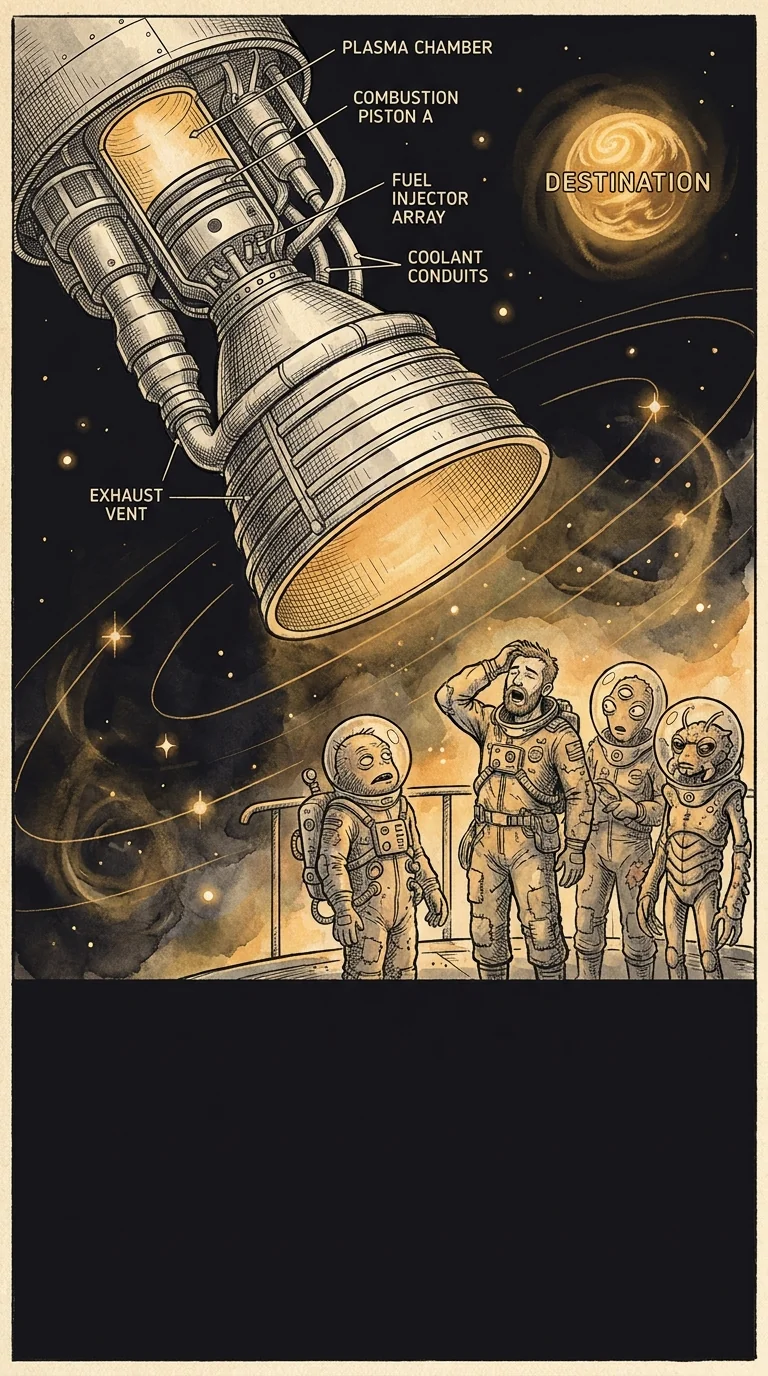
We default to describing the machinery — the twelve videos, the PDF workbook, the weekly Q&A. Your audience doesn't care about the engine. They care about where the ship lands.

The shift is embarrassingly simple: describe where someone ends up, not how many steps it takes to get there. People pay for the after photo — the before photo is free.
Here's how it works: take any feature you'd list and ask "so that they can _____." Five video modules — so that they can finally price their services without second-guessing. That last part? That's what you sell.
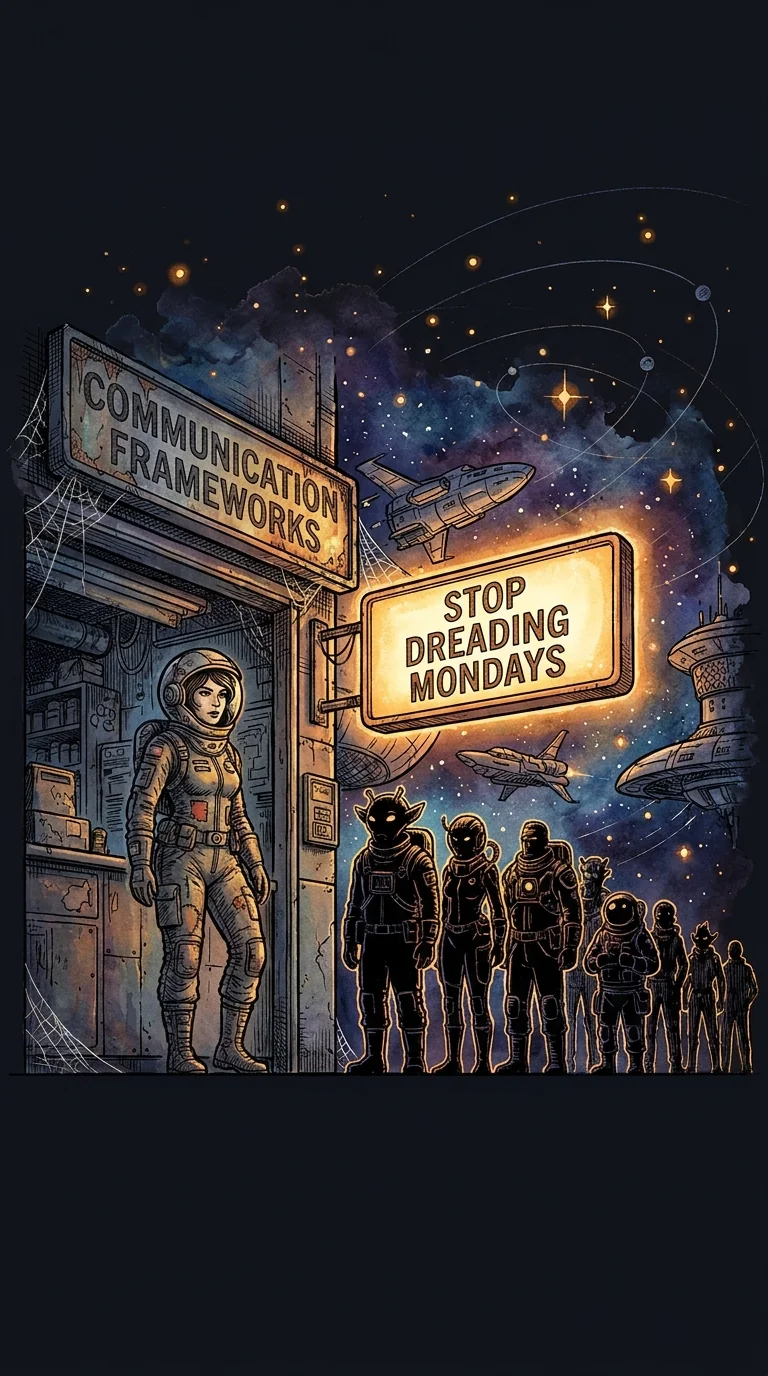
Lisa ran a six-week coaching program on "communication frameworks." Enrollment was flat. She rewrote one line on her landing page: "Stop dreading Monday meetings." Same program. Waitlisted within a month.

Features are your business. Transformation is theirs. Guess which one they'll pay for. In Part 2, you'll practice rewriting your own features as transformation statements. See you there.
Part 2: People Buy Transformation, Not Features — Practice
+10 XP on completion

Nobody wakes up wanting a better method. They wake up wanting a better life — and they'll hire whoever convinces them it's possible.
Most offers sound like spec sheets — twelve modules, four frameworks, a bonus workbook. The customer's brain files that under 'homework I'll never finish.' Convenient, isn't it.

Here's the exercise: The Before/After Bridge. You write one sentence describing your customer's life before — and one sentence describing their life after. Everything in between is just the bridge they're paying you to build.

Step one: write the Before in your customer's own frustrated words. Step two: write the After as the specific, tangible outcome they'd brag about to a friend. Step three: rewrite your offer description using only those two sentences and the result — zero method talk allowed.
Lisa ran a coaching practice. Her old pitch: 'Six-week program with cognitive reframing techniques and accountability structures.' Her new pitch: 'You'll stop dreading Monday by the end of the month.' Bookings tripled. Same work — different words.

Your methods are yours to keep. But your customer only needs to see where they'll land. Write that destination clearly enough, and the right people will already be reaching for their ticket.