Name the Problem Correctly and You're Halfway Home
You can build the most elegant solution in three star systems — and it won't matter if you're solving the wrong problem. Happens more often than anyone wants to admit.
Part 1: Name the Problem Correctly and You're Halfway Home — Concept
+5 XP on completion
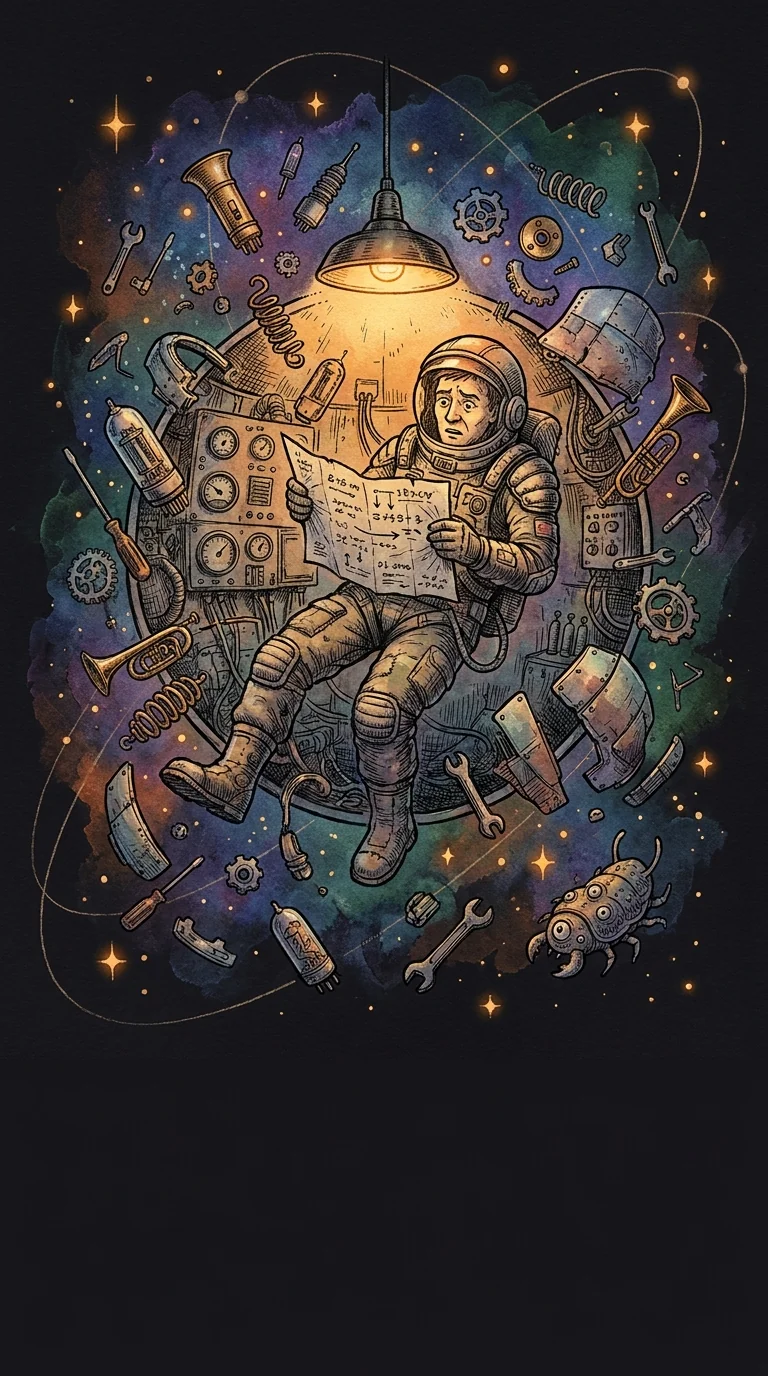
You can build the most elegant solution in three star systems — and it won't matter if you're solving the wrong problem. Happens more often than anyone wants to admit.
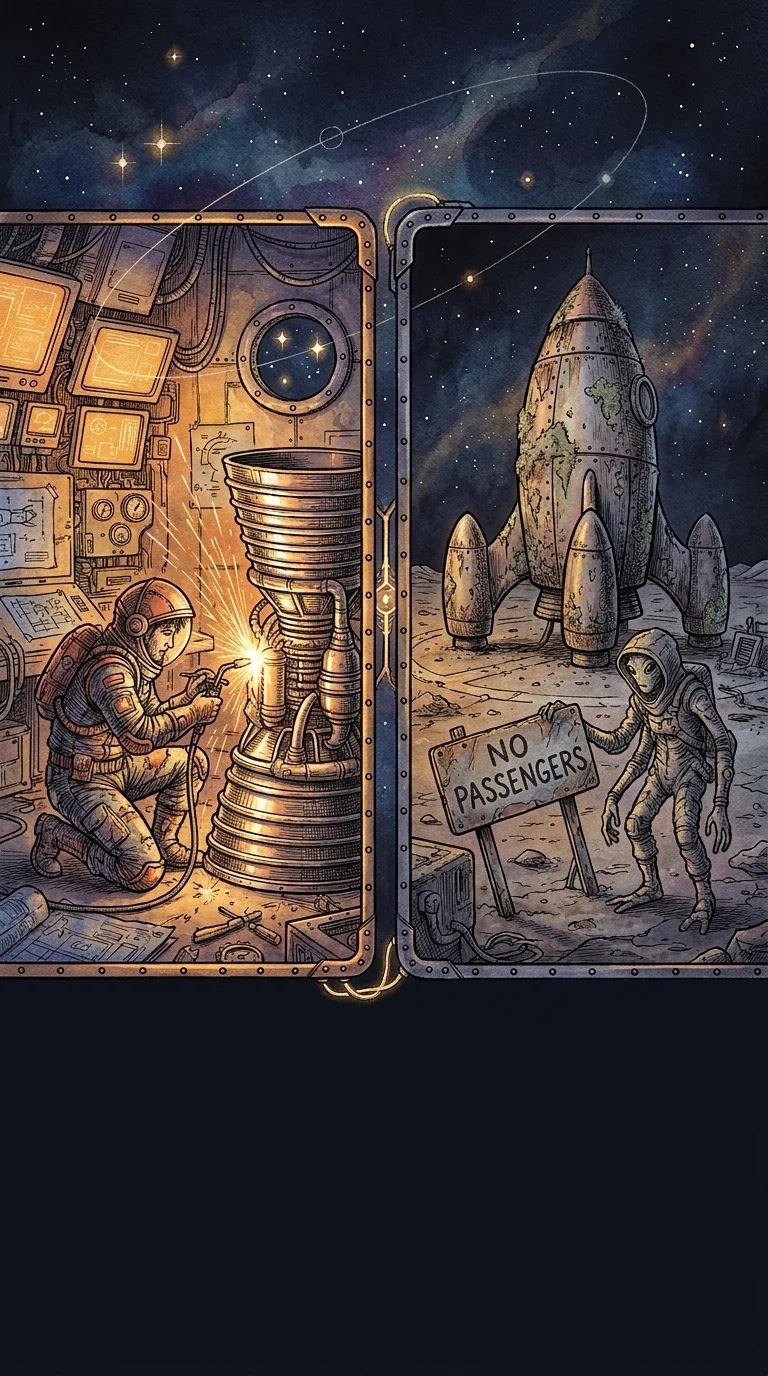
Most failed ventures don't die from bad execution. They die because the founder fell in love with a solution before they bothered to name what was actually broken.

A precisely named problem narrows the universe of possible solutions from infinite to useful. Frame it wrong and you're shopping for engines when you needed a map.
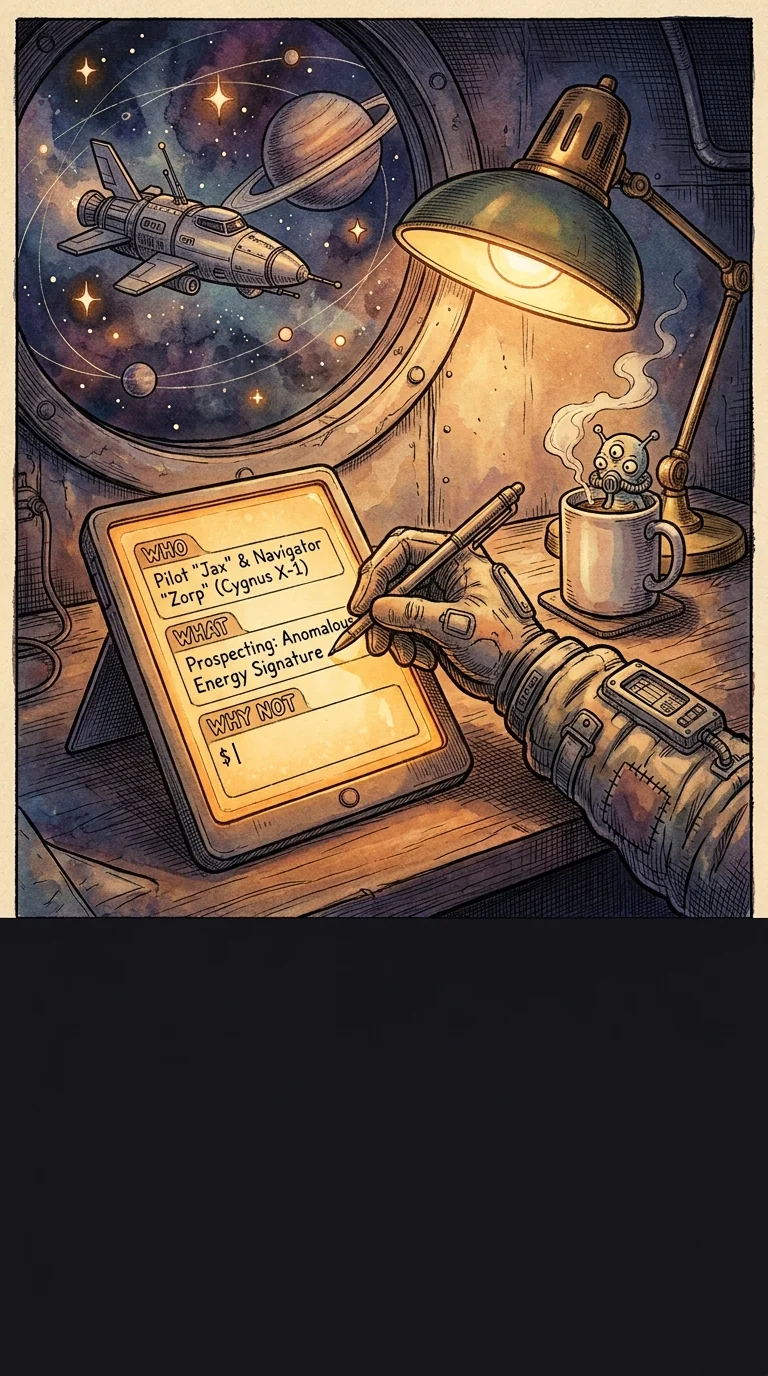
The technique is almost embarrassingly simple: state the problem as a sentence that includes who hurts, what hurts, and why the current options don't fix it. If you can't fill all three blanks, you haven't named it yet.
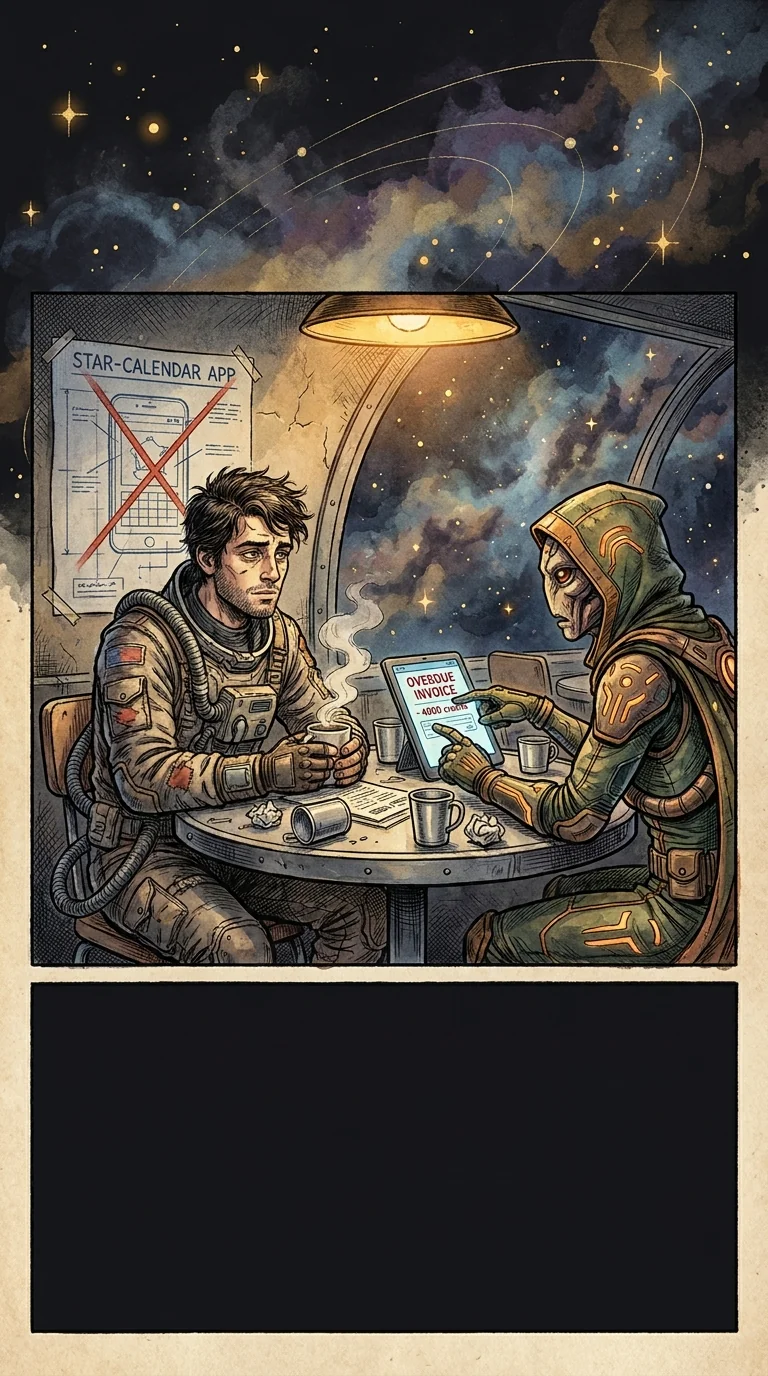
Marcus spent four months building a scheduling app for freelancers. Then he talked to twenty of them and realized the problem wasn't scheduling — it was getting paid on time. One conversation reframed everything. Four months, meet one honest question.

Name the problem in one honest sentence and you've already lapped everyone still admiring their solution. In Part 2, you'll practice writing a precise problem statement for your own idea. See you there.
Part 2: Name the Problem Correctly and You're Halfway Home — Practice
+10 XP on completion
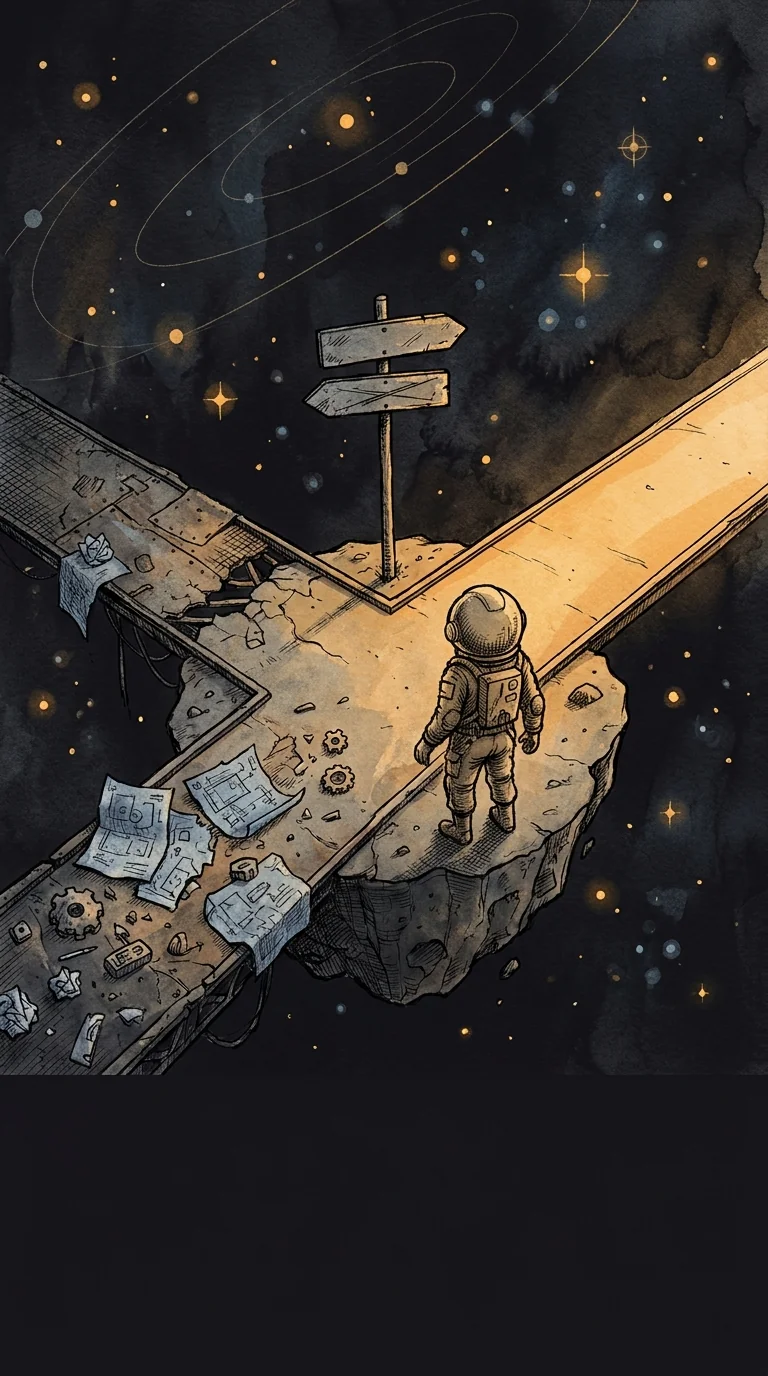
Name the problem wrong and you'll build a beautiful solution nobody needs. Name it right and the solution practically writes itself.
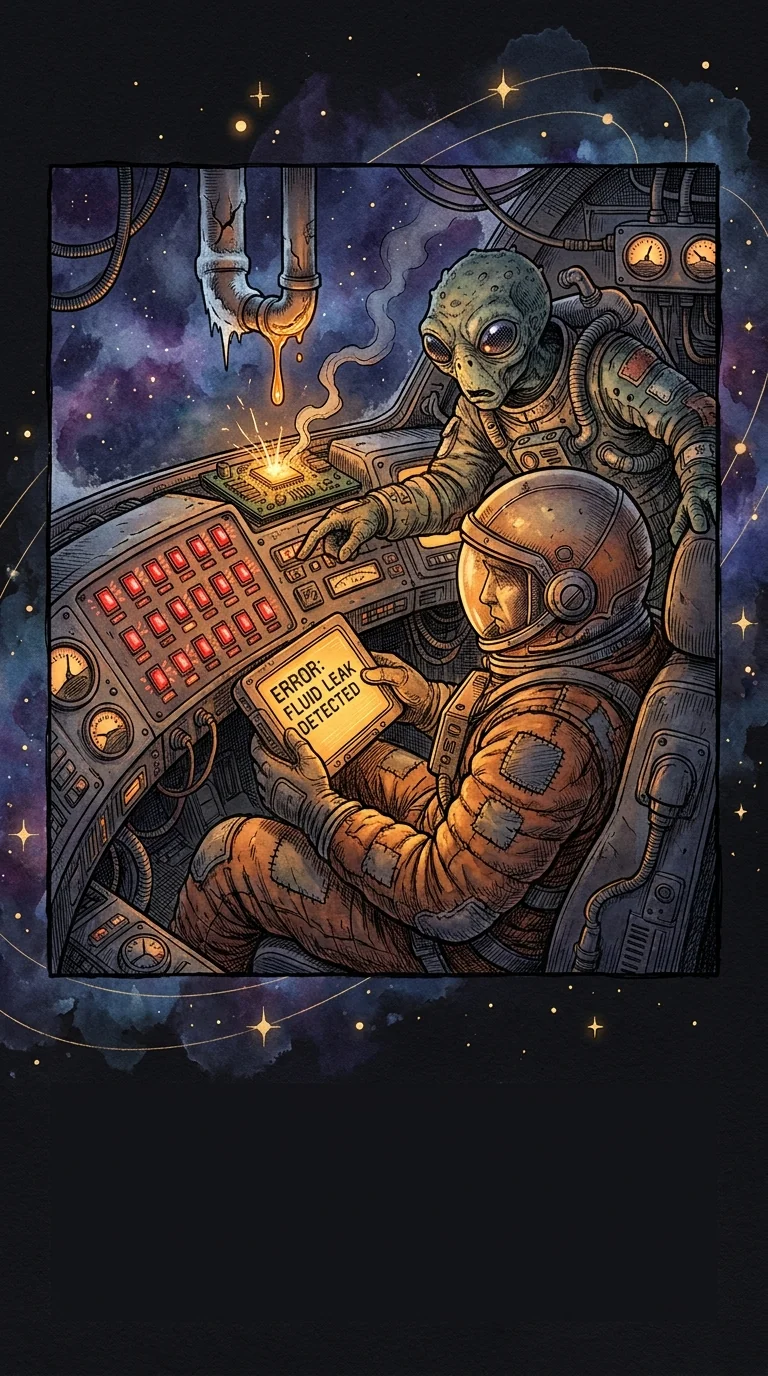
Most problem statements are symptoms wearing a disguise. "We need more traffic" sounds specific until you realize the real problem is that visitors leave in nine seconds.
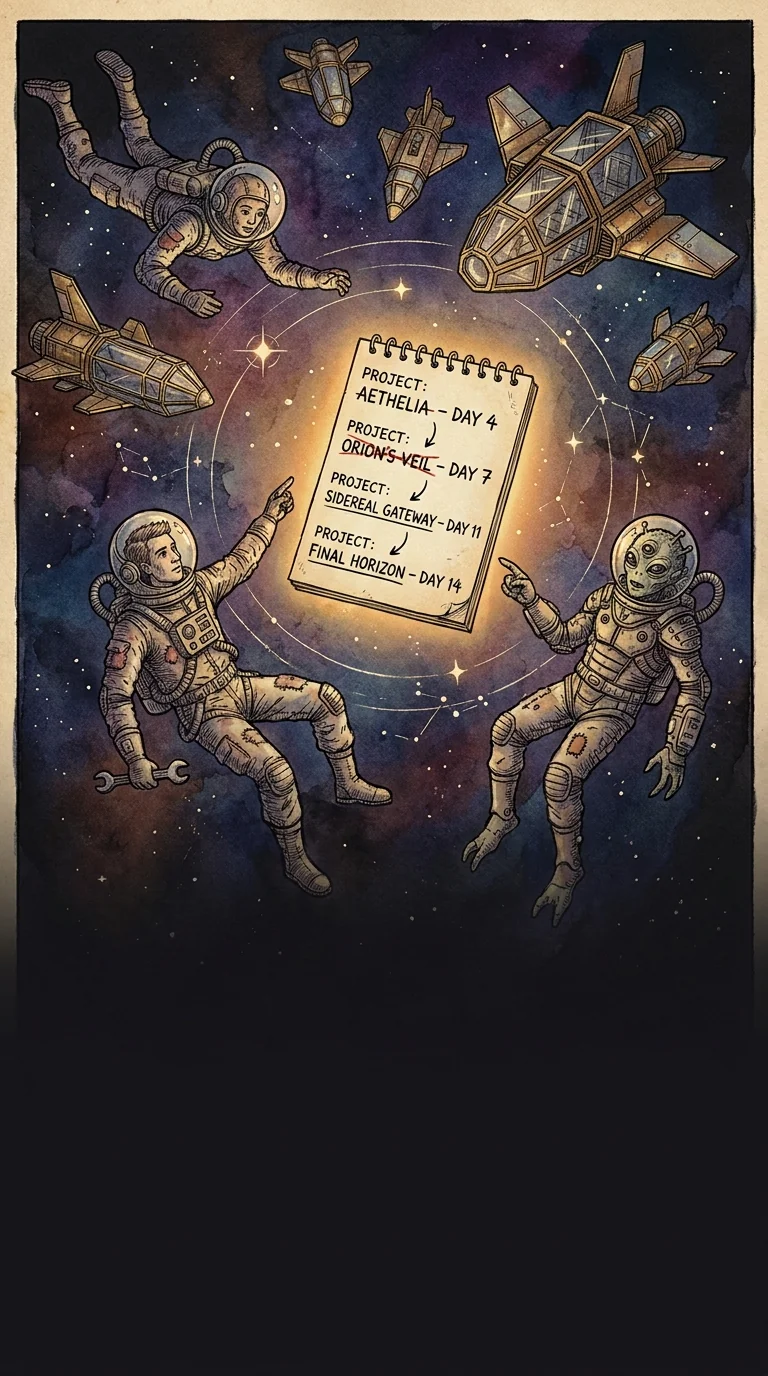
Here's a technique called the Problem Reframe Stack. You write down your problem, then rewrite it three more times — each version asking who actually suffers, what they lose, and why existing fixes don't stick.
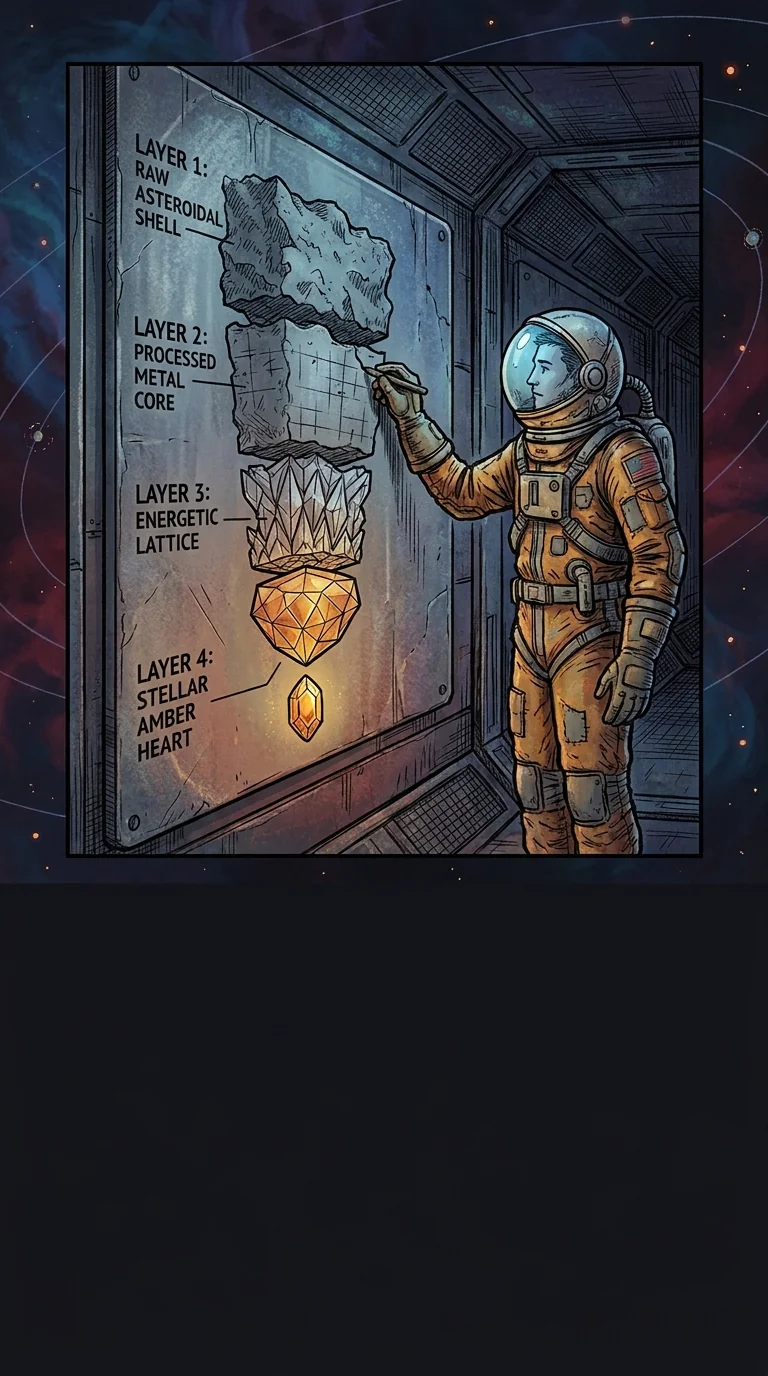
Version one is the surface complaint. Version two names the person hurting. Version three identifies what they're actually losing. Version four — the keeper — states the gap between what exists and what should. That fourth version is your real problem statement.
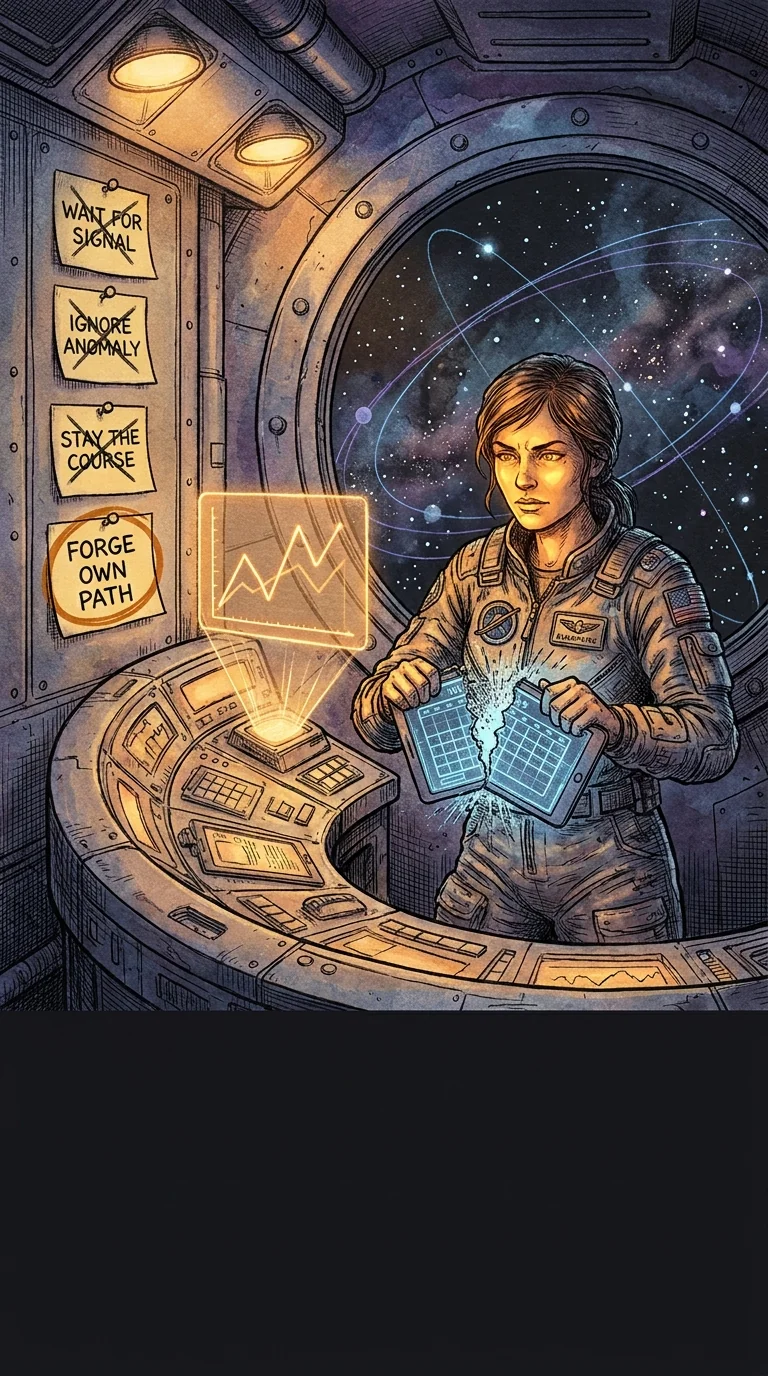
Lisa spent two months building a scheduling app because freelancers said they "needed better time management." The Reframe Stack revealed the real problem: they couldn't predict income three weeks out. She pivoted to a cash-flow forecaster and her waitlist tripled in a week.

Grab your biggest current problem and run it through all four versions right now. You'll probably hate your first draft by the time you reach the fourth. That's how you know it's working.