The Question That Locks Onto Your Signal
You walk through the same room as everyone else, but something catches your eye that nobody else even registers. That flicker of noticing? It's not random — it's data.
Part 1: The Question That Locks Onto Your Signal — Concept
+5 XP on completion

You walk through the same room as everyone else, but something catches your eye that nobody else even registers. That flicker of noticing? It's not random — it's data.
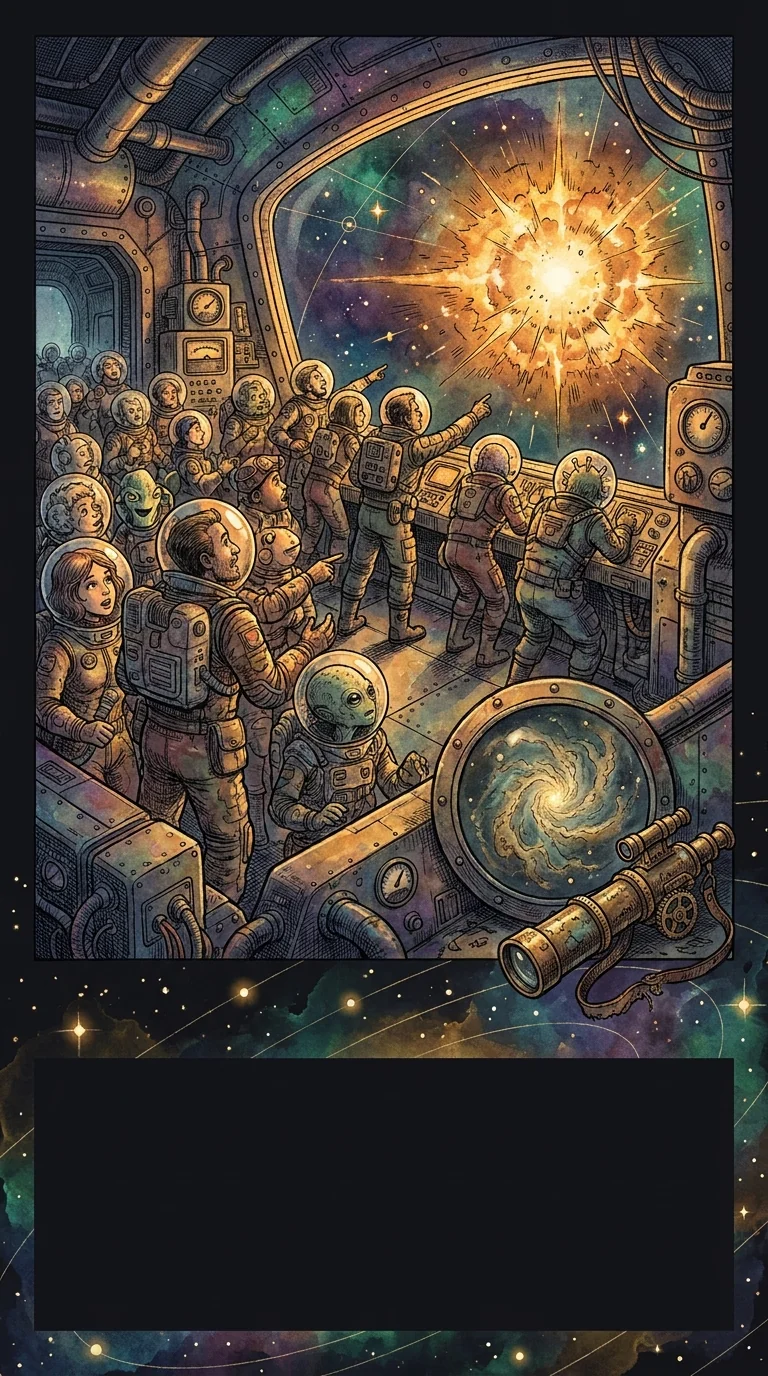
Everyone's chasing the same signals — trending topics, popular frameworks, whatever the algorithm surfaced this morning. Meanwhile, the thing only you would notice sits there unbothered, waiting like a cat on a warm engine.

Your irreplaceable edge isn't a skill you learned — it's a question you can't stop asking. The thing you notice that others walk right past is the fingerprint of how your brain uniquely parses the world.

Here's how it works: your recurring fascinations — the problems you voluntarily re-examine, the patterns you spot without being asked — those aren't distractions. They're a targeting system. The question you keep returning to is the question worth building around.

Marcus worked on a cargo logistics crew — same routes as everybody else. But he kept noticing how small scheduling gaps cascaded into massive delays downstream. Nobody asked him to track that. He couldn't stop. Three years later, that obsession became the consultancy that replaced his salary.

Your signal hides inside the question you keep asking when nobody's paying you to ask it. In Part 2, you'll practice identifying your recurring question and testing whether it points to a real edge. See you there.
Part 2: The Question That Locks Onto Your Signal — Practice
+10 XP on completion

Your irreplaceable edge lives in the gap between what everyone else walks past and what makes you stop and stare. Today you're going to pin that gap to a page.

Most exercises tell you to list your strengths. That's like asking a fish to describe water — you're too close to see the interesting part. The things that feel obvious to you are exactly the ones that baffle everyone else.

The technique is called the Signal Lock Inventory. Three questions, ten minutes, and a willingness to notice what bores absolutely nobody except the voice in your head insisting it's not special.

Question one: What do people ask you about that surprises you — because it seems so obvious? Question two: What problem can you spot in thirty seconds that takes others an hour? Question three: What topic makes you lose track of time explaining it to someone who actually wants to know? Write fast. Don't edit. The pattern hiding across all three answers — that's your signal.
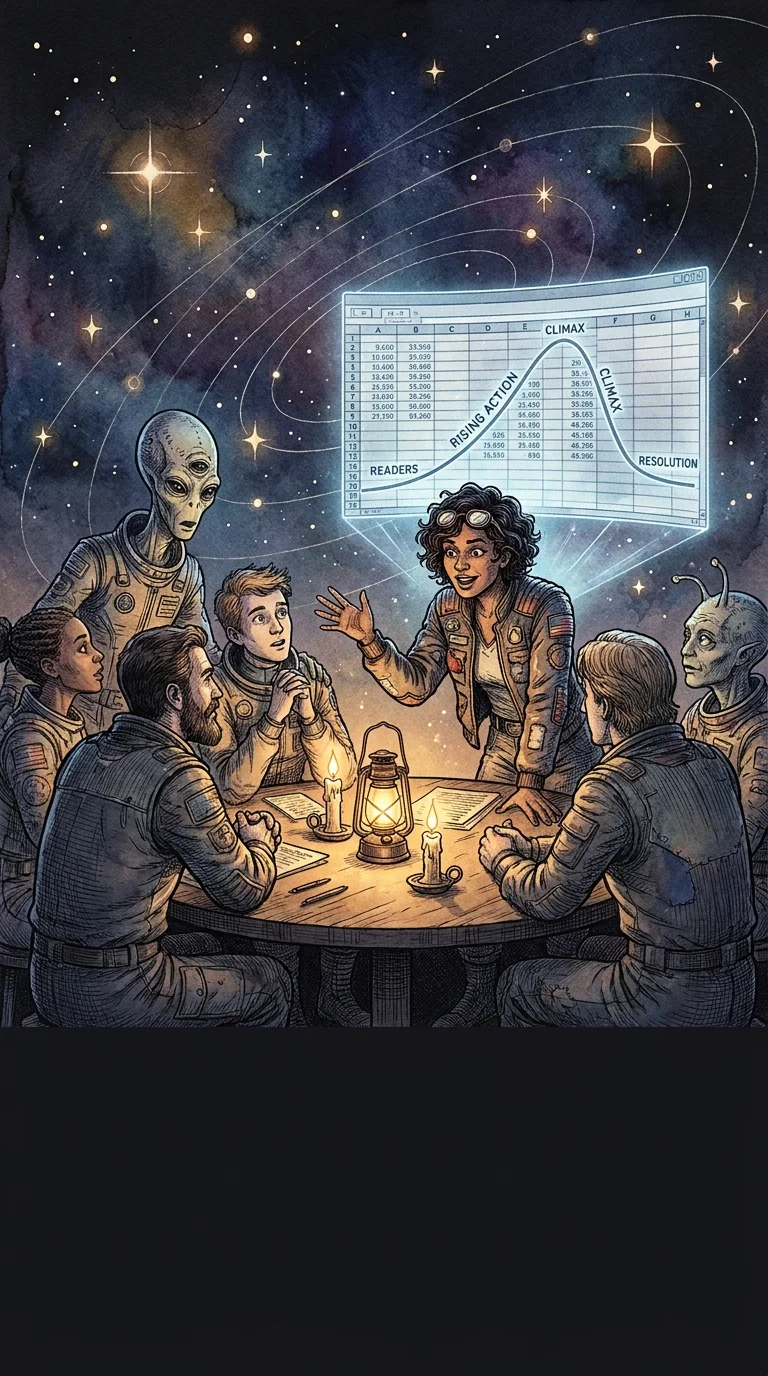
Maria tried it. Question one: colleagues kept asking how she spotted budget errors so fast. Question two: she could read a spreadsheet like a story — the narrative jumped out. Question three: she'd spent a dinner party explaining why cash flow tells you more than profit. Three different answers, one signal: she didn't see numbers, she saw the plot they were hiding.

Your signal has been broadcasting this whole time. Now you've got the frequency written down — and that changes what you build next.