Work That Pays While You're Off Watch
You traded eight hours yesterday for eight hours of pay. Today you'll trade eight more. Tomorrow, same deal. Notice how the math never changes?
Part 1: Work That Pays While You're Off Watch — Concept
+5 XP on completion
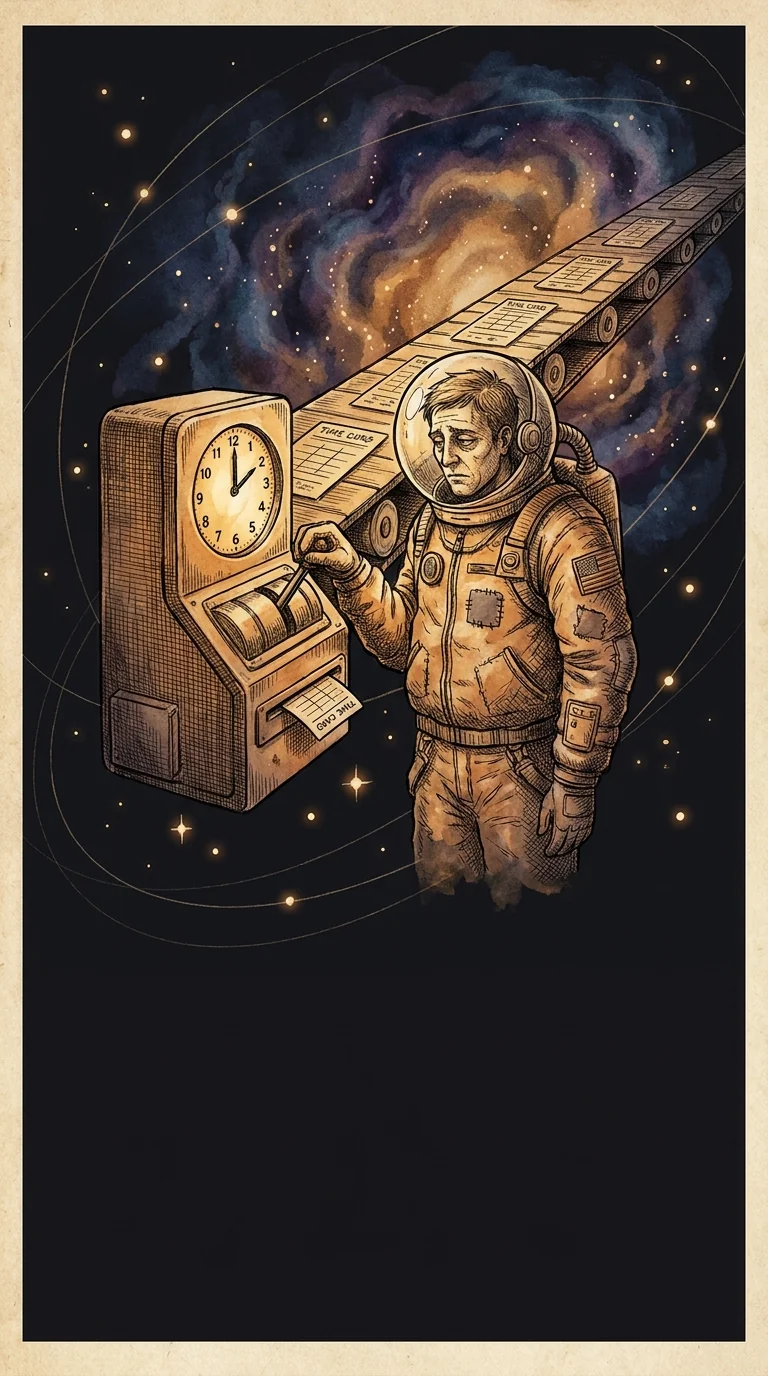
You traded eight hours yesterday for eight hours of pay. Today you'll trade eight more. Tomorrow, same deal. Notice how the math never changes?
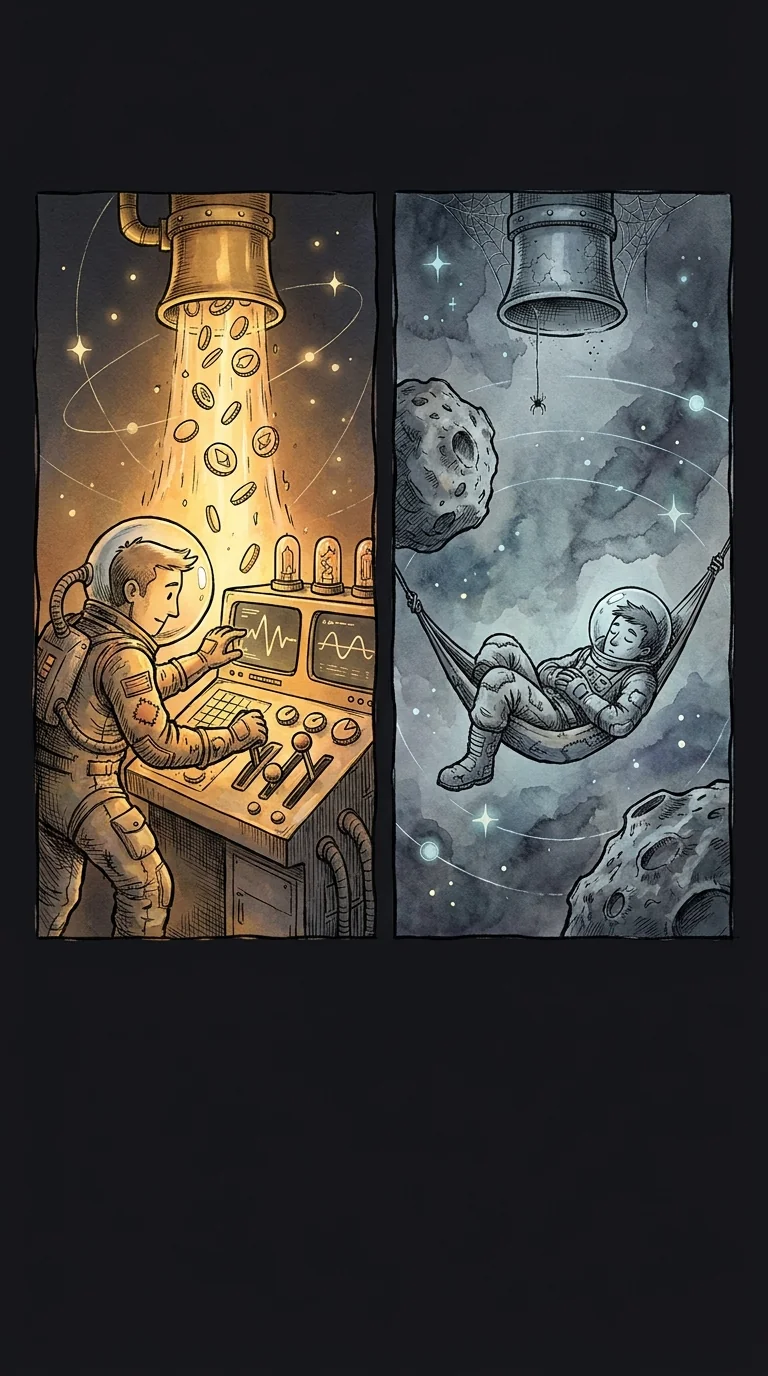
Time-for-money is the default contract across the galaxy. You stop showing up, the pay stops arriving. It's a perfectly reasonable arrangement — right up until you need to sleep, or eat, or exist as a human being.
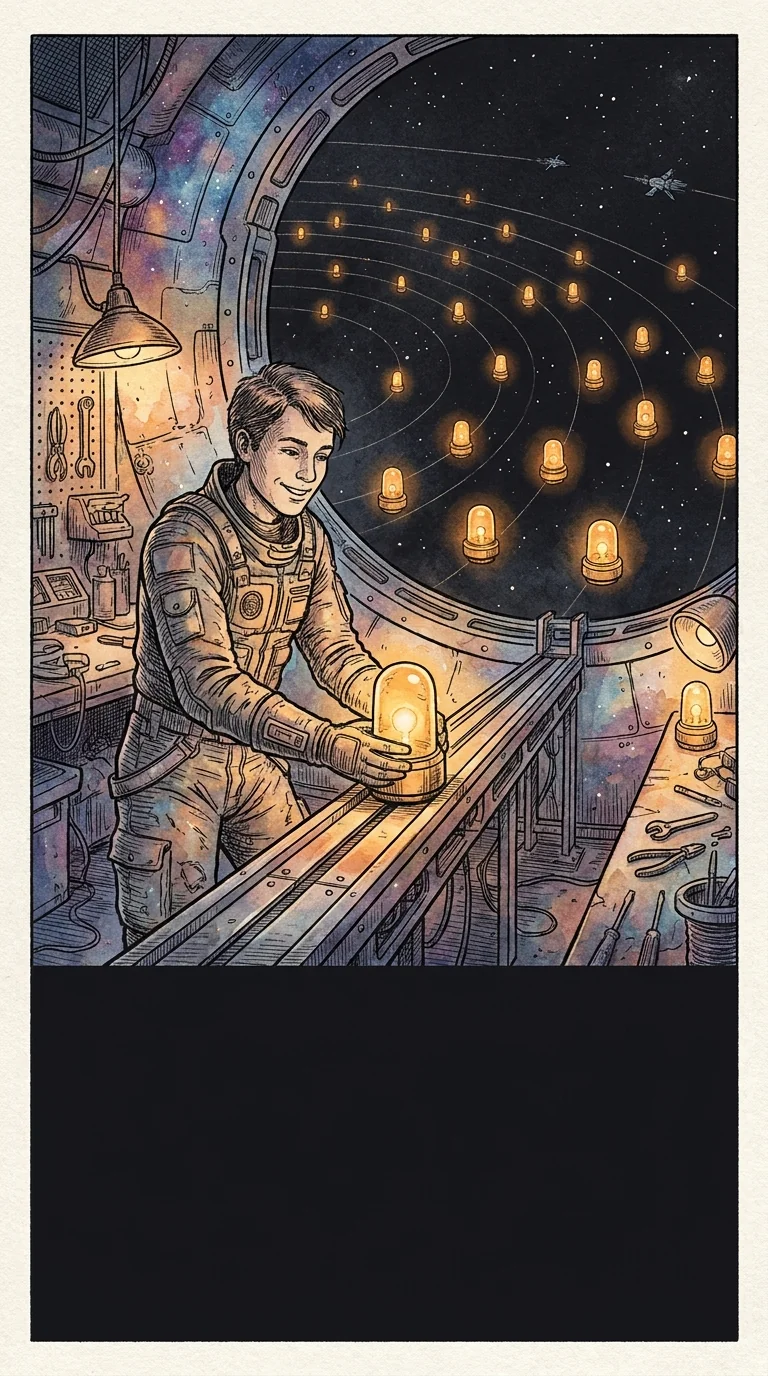
But what if you build something once — a guide, a template, a signal broadcast — and it keeps delivering value to people whether you're at the console or not? That's the shift. You decouple the work from the clock.
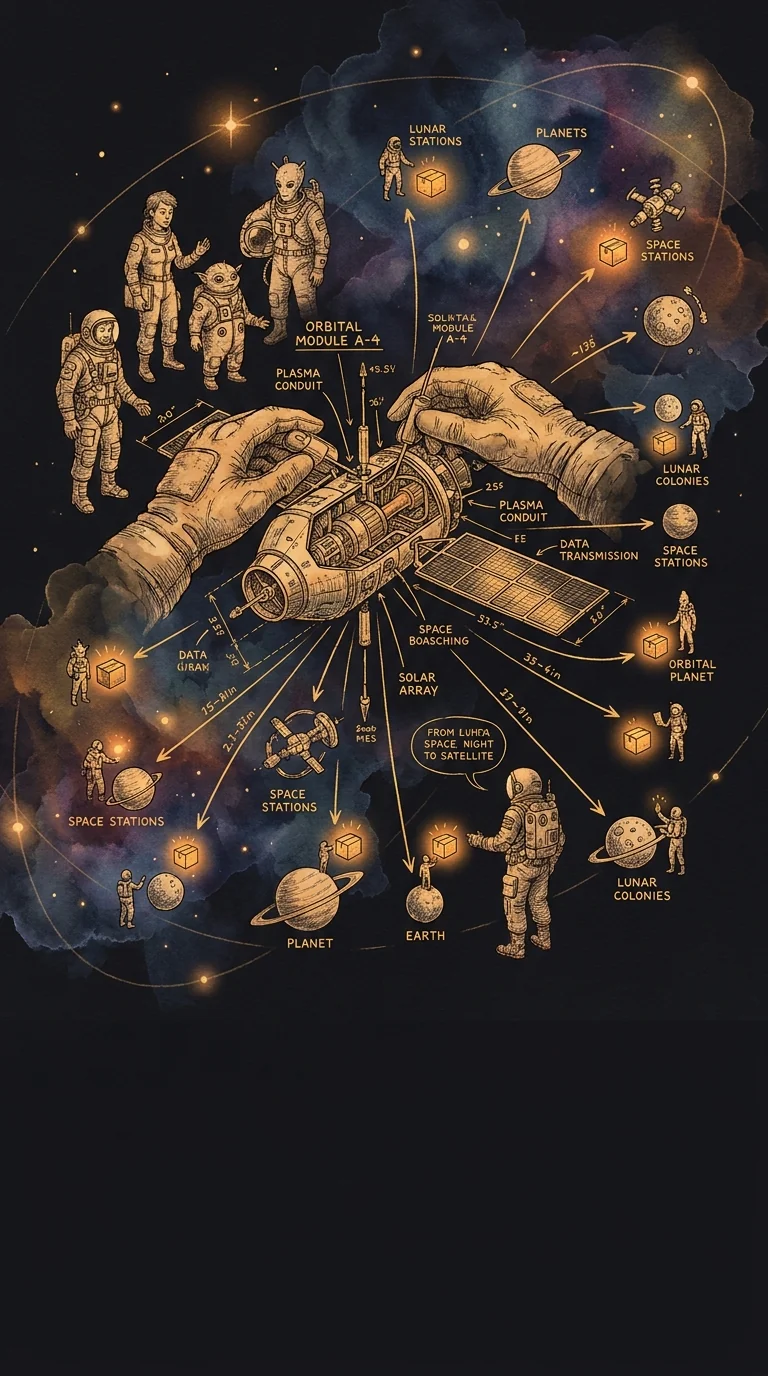
The mechanism is simple: you invest creative effort upfront — a digital product, a recorded course, a well-crafted resource — and distribution handles the rest. One act of creation, thousands of acts of delivery. The ratio is the whole point.
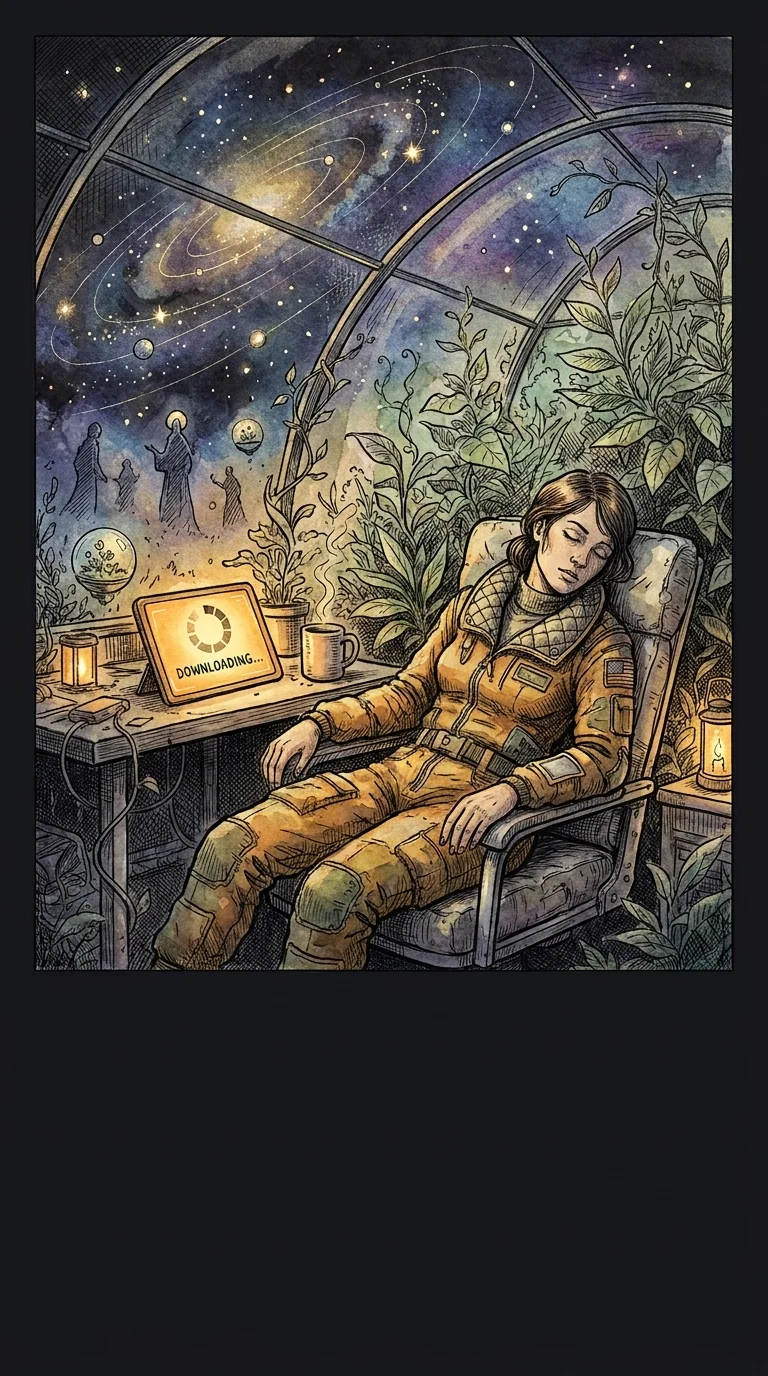
Maria spent three weekends writing a field guide for new hydroponics techs — stuff she'd learned the hard way over six years. She posted it, forgot about it, then woke up one morning to find four hundred people had downloaded it while she was asleep. Same three weekends. Four hundred techs who didn't have to learn the hard way.

You don't need Maria's topic or her timeline. You just need to recognize what you already know that's worth packaging. In Part 2, you'll practice identifying your own "build once" candidates — the knowledge already in your head that could work while you're off watch. See you there.
Part 2: Work That Pays While You're Off Watch — Practice
+10 XP on completion
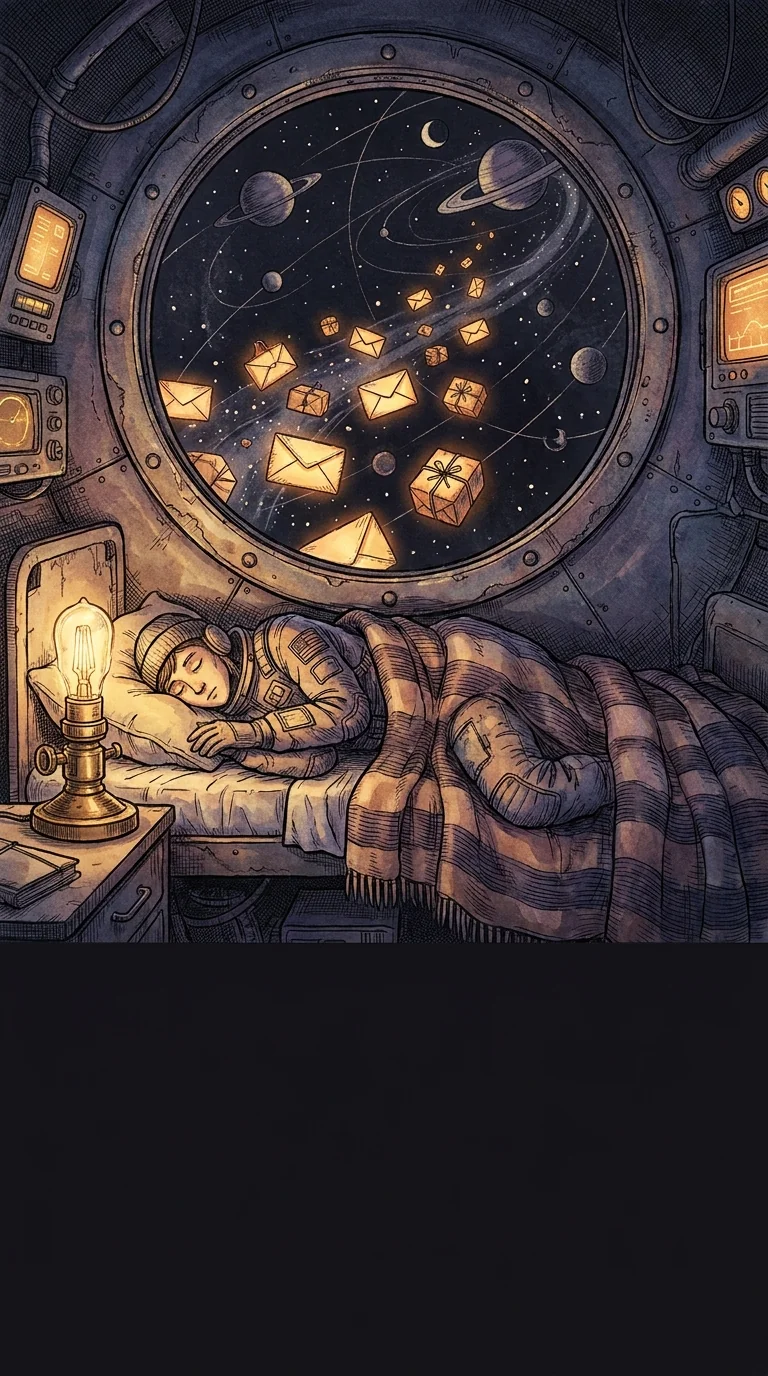
The best work you'll ever do is work that keeps showing up for strangers while you're asleep, eating lunch, or staring at a ceiling fan. Today you learn how to build some.
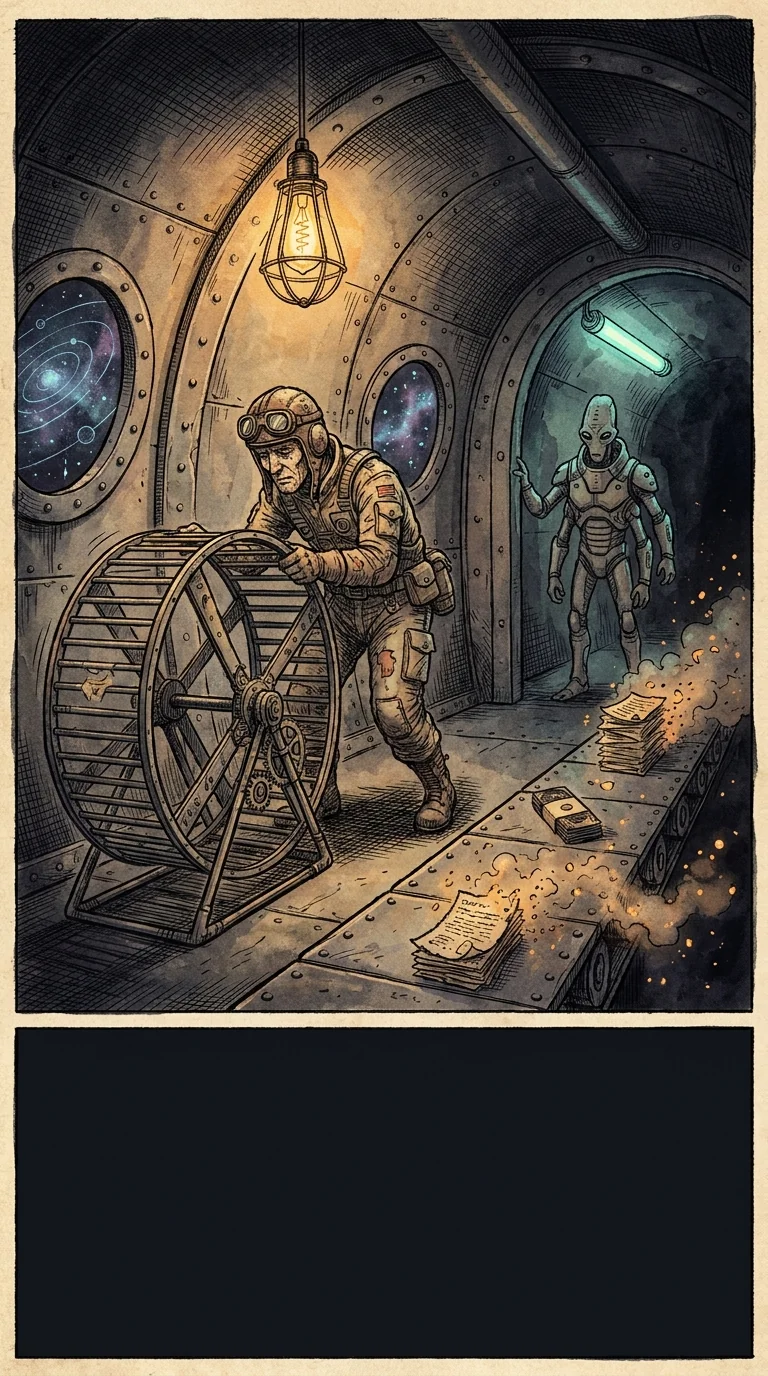
Most creative work trades hours for results — one talk, one client, one session, done. You build it, you deliver it, it evaporates. That's a treadmill with better lighting.
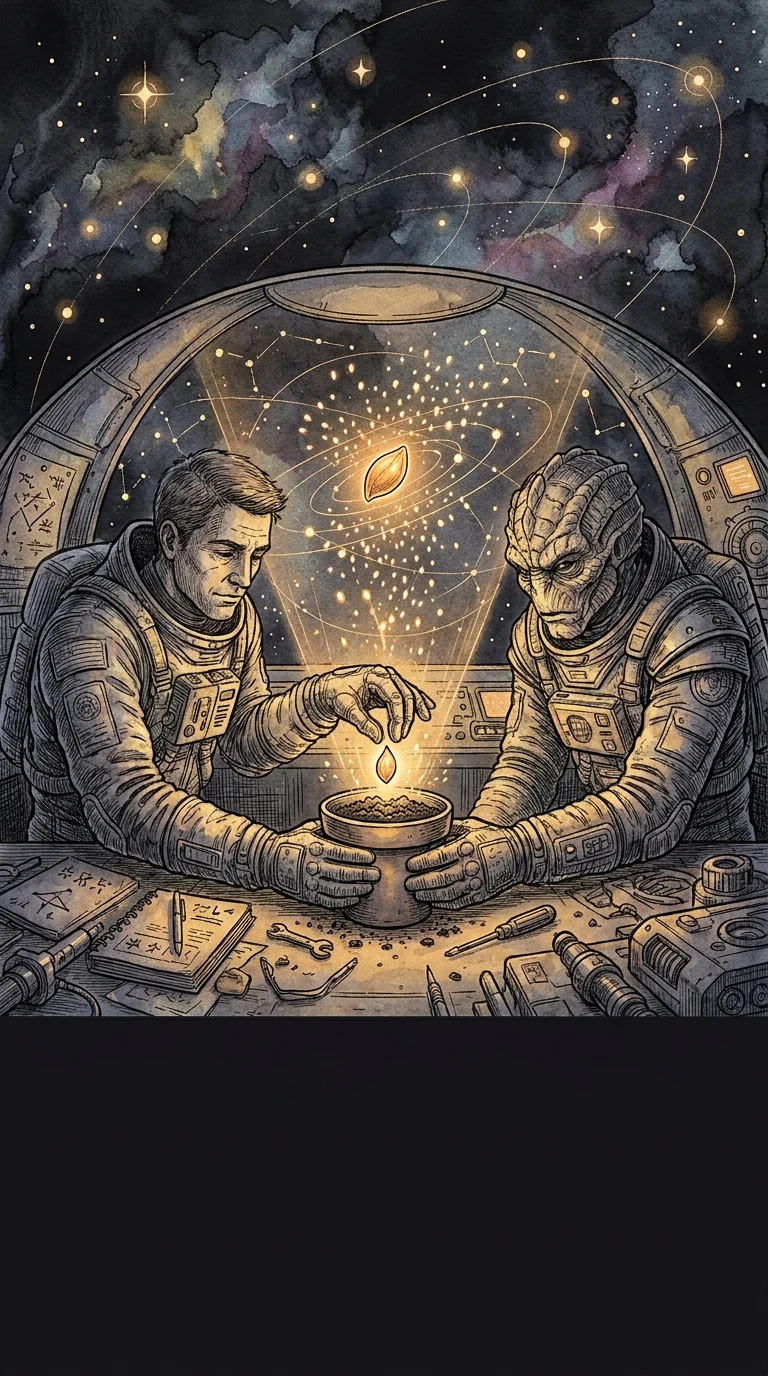
The shift is simple: instead of delivering your knowledge live every time, you package it once into something that can be found, shared, and used without you in the room. We call this the Broadcast Seed method.
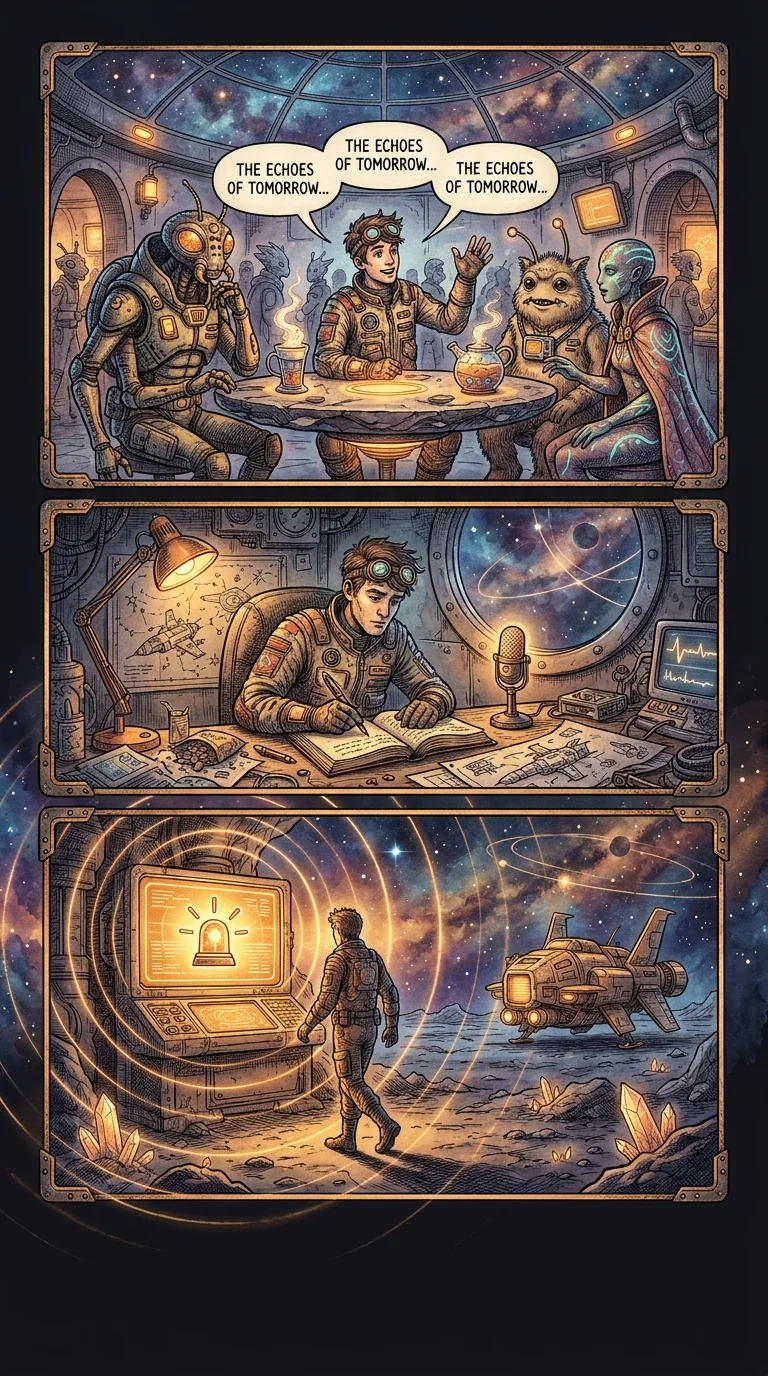
Step one: pick one thing you explain to people all the time — your repeating answer. Step two: record it, write it, sketch it — whatever medium feels like breathing, not homework. Step three: put it somewhere findable and walk away. That's one seed planted.
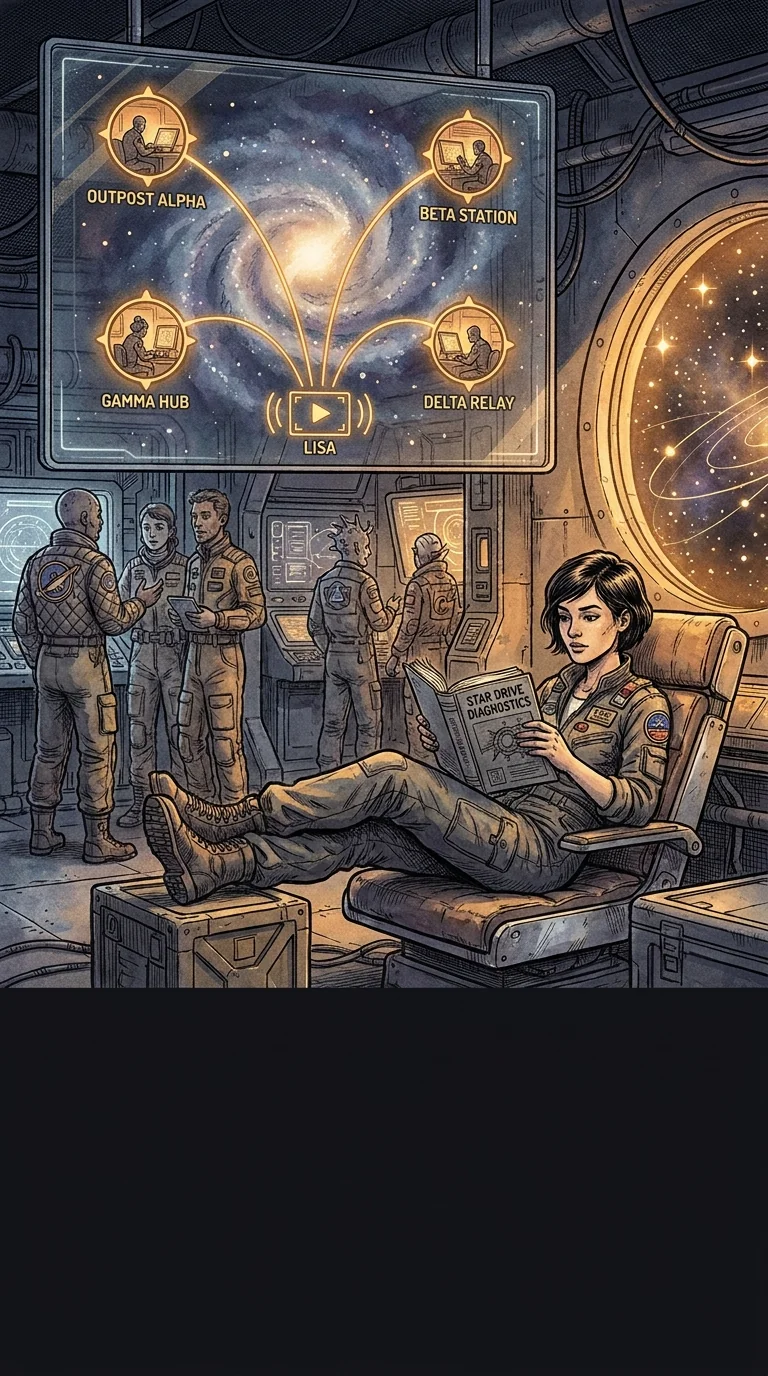
Lisa kept explaining the same sensor-calibration trick to every new crew member. One afternoon she recorded a twelve-minute walkthrough and posted it to the station archive. Six months later, techs on four different outposts were using it — and Lisa had moved on to harder problems.
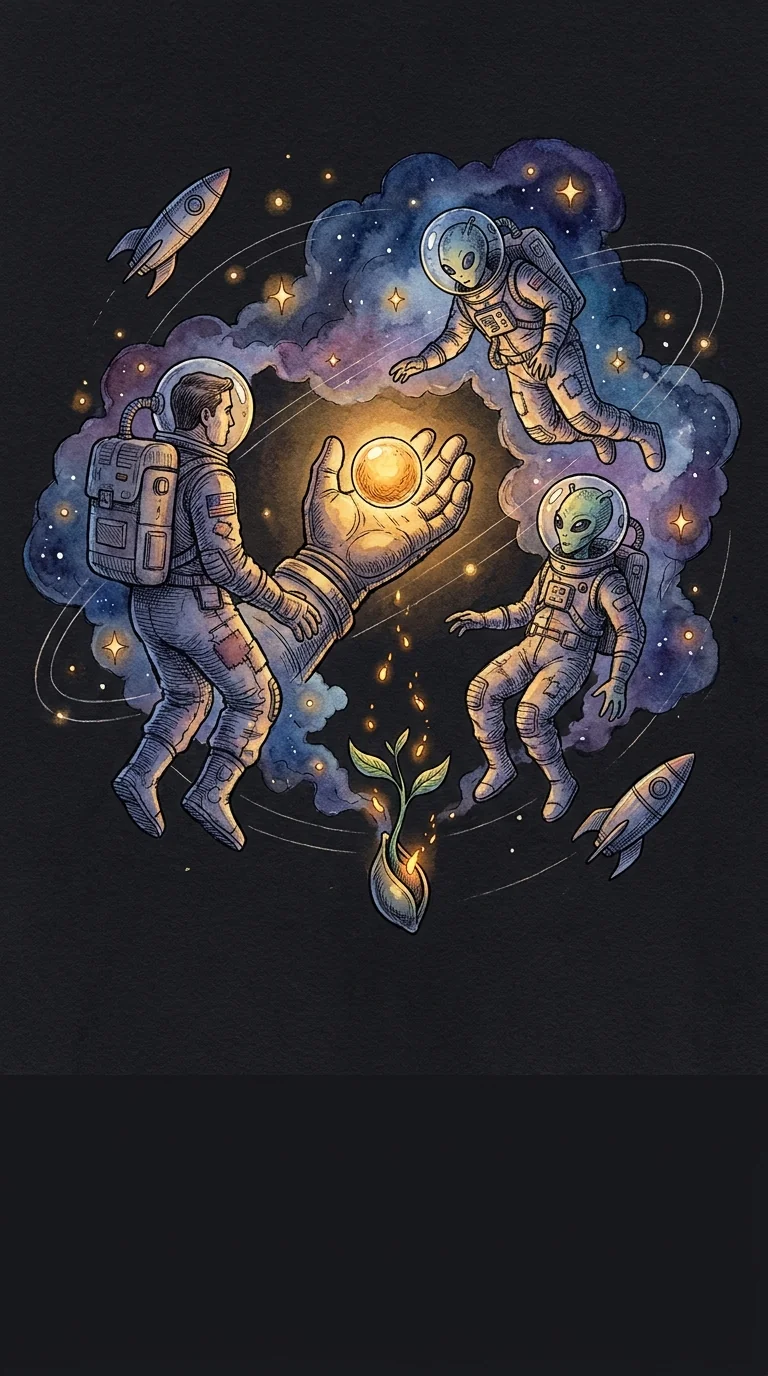
You already have a repeating answer — something you say so often it's practically scripted. This week, capture it once. One seed is enough to start a broadcast that outlasts your schedule.