Why Being Good at Your Job No Longer Clears the Bar
Marcus spent twelve years becoming the fastest analyst on his floor. Then last quarter, something that never slept or asked for coffee did it in nine seconds.
Part 1: Why Being Good at Your Job No Longer Clears the Bar — Concept
+5 XP on completion

Marcus spent twelve years becoming the fastest analyst on his floor. Then last quarter, something that never slept or asked for coffee did it in nine seconds.

For decades the deal was simple: get skilled, stay current, work hard, remain employed. Competence was the whole ticket. Now competence is what the machines do before breakfast.

Here's what nobody admits: useful and irreplaceable are now two completely different zip codes. AI handles useful brilliantly — it's the irreplaceable part it can't fake.
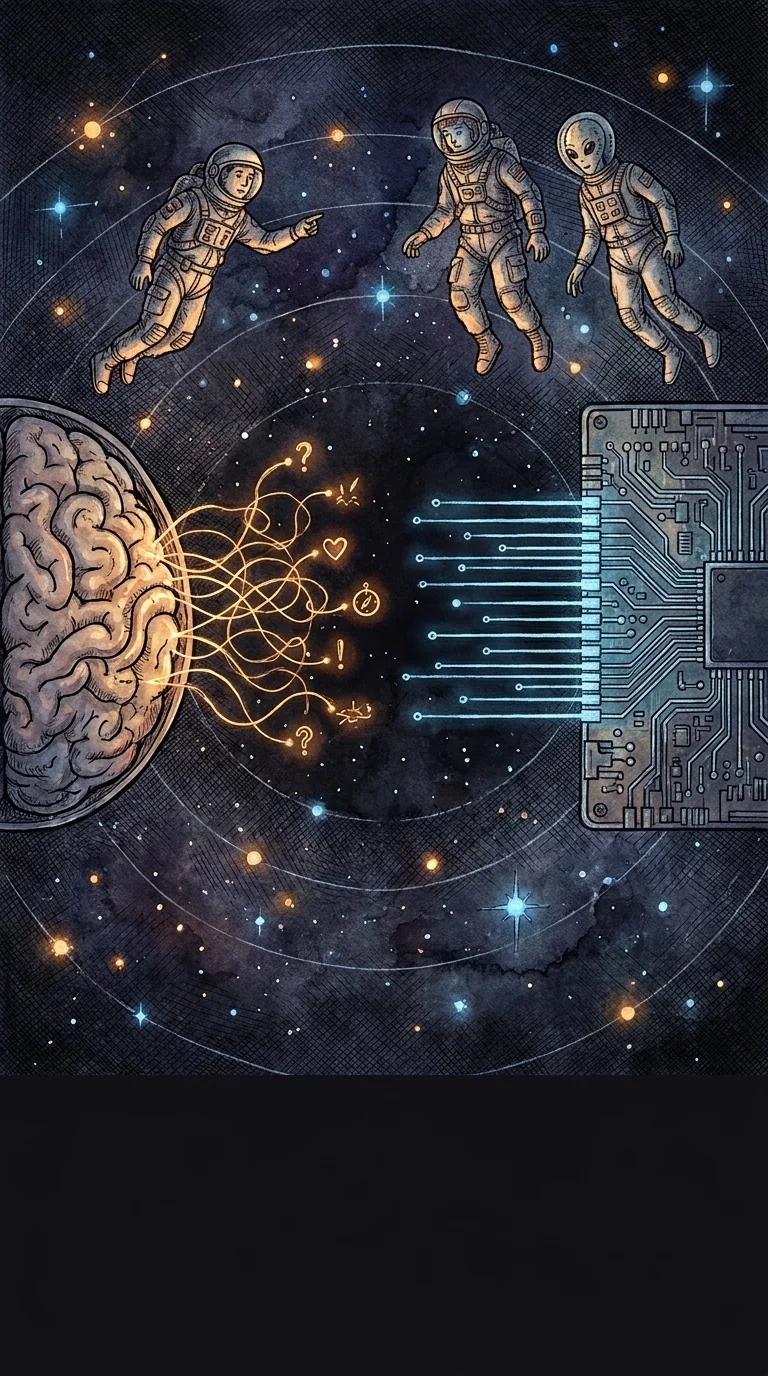
Irreplaceable lives in the gap between what a system can execute and what a human decides is worth executing. Judgment, context, weird leaps of meaning — that's the signal machines can't generate on their own.

Marcus didn't get replaced. But he noticed his team shrank from eight to three, and the ones who stayed weren't the fastest analysts — they were the ones who knew which questions to ask before anyone opened a dataset. Speed had become free. Curiosity hadn't.

Being good at your job is table stakes now — the ante, not the win. The real question is what you bring that can't be automated by next Tuesday. In Part 2, you'll practice identifying where your own irreplaceable signal actually lives. See you there.
Part 2: Why Being Good at Your Job No Longer Clears the Bar — Practice
+10 XP on completion

So competence alone won't save your seat at the table anymore. The question isn't whether you're good — it's whether good is enough when machines are faster.
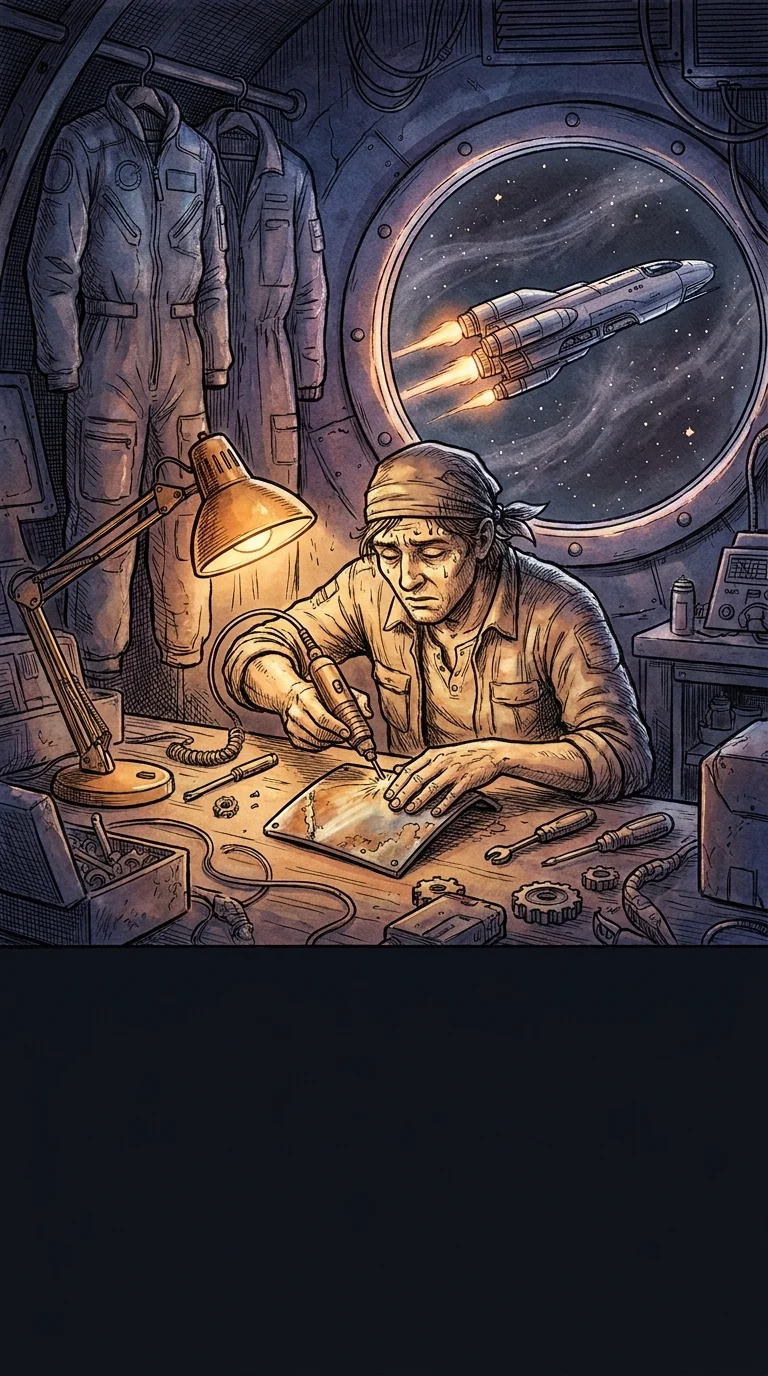
When people feel replaceable, their first instinct is to work harder at the same tasks — longer hours, tighter deadlines, louder effort. That's like polishing the hull of a ship that's already been outrun.

The shift is this: stop cataloging what you can do and start mapping what only you can bring. We call it the Signal Audit — three questions that separate your replaceable outputs from your irreplaceable contributions.
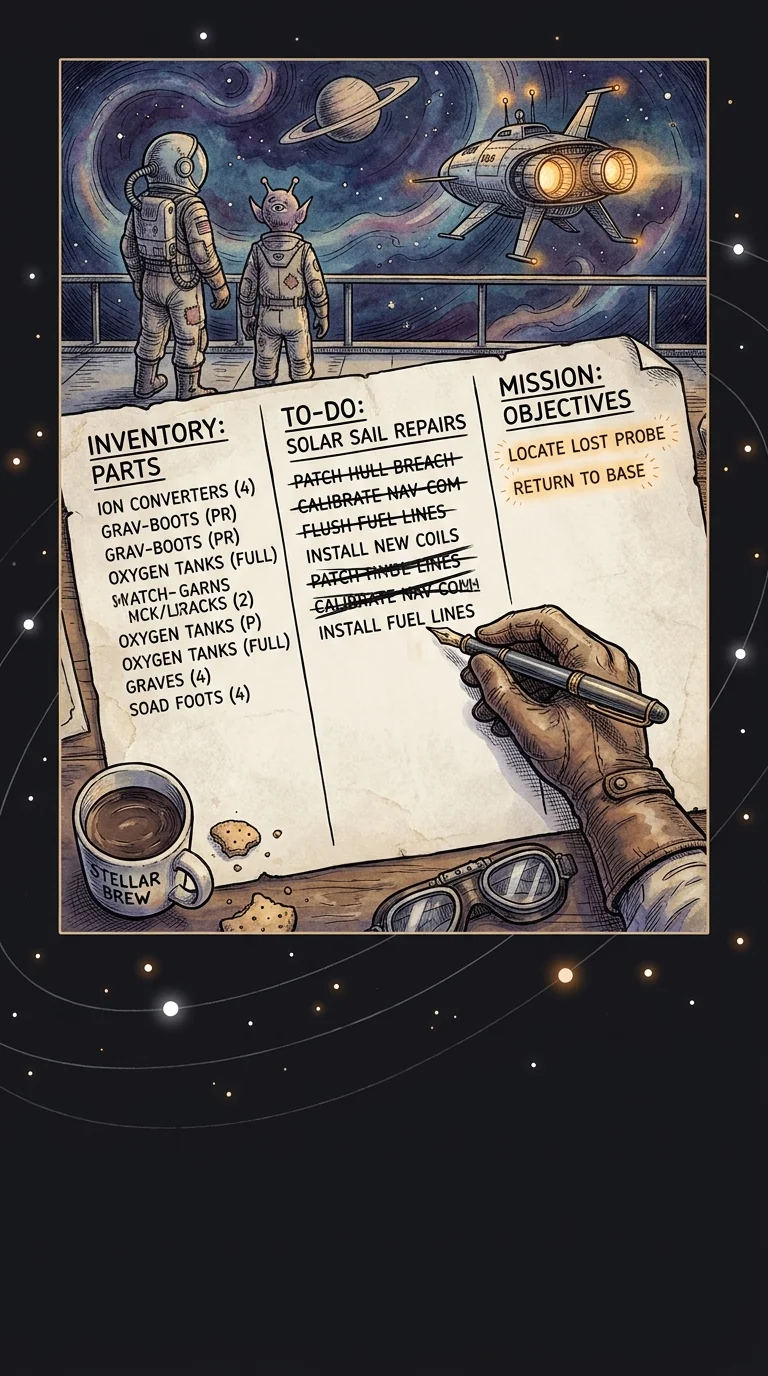
Grab a sheet of paper. Write three columns: What I Do, What a Machine Could Do Instead, and What Requires My Judgment. Be ruthless with column two — that honesty is the whole point.

Marcus ran his audit on a Tuesday night. Fourteen tasks in column one. Eleven fit neatly into column two. The three that didn't? They all involved reading people — sensing when a client was about to bolt before they said a word. That was his signal.

You just mapped the territory. Column three is small, and that's exactly right — signal is supposed to be rare. Tomorrow we figure out what's been burying it.