Financial Design vs. Financial Escape
Ask someone what financial freedom means and nine times out of ten they describe the same thing: not working. Which is a weird dream to build your whole life around — defining paradise as the absence of something.
Part 1: Financial Design vs. Financial Escape — Concept
+5 XP on completion

Ask someone what financial freedom means and nine times out of ten they describe the same thing: not working. Which is a weird dream to build your whole life around — defining paradise as the absence of something.

Financial escape is a plan built on subtraction — subtract the commute, subtract the boss, subtract Monday. But nobody designs the replacement. So you end up with a fully funded life and no idea what to do with it.

Financial design flips the question. Instead of 'how much until I can quit?' you ask 'what does the work I actually want to do cost me to sustain?' One question runs away from something. The other runs toward it.
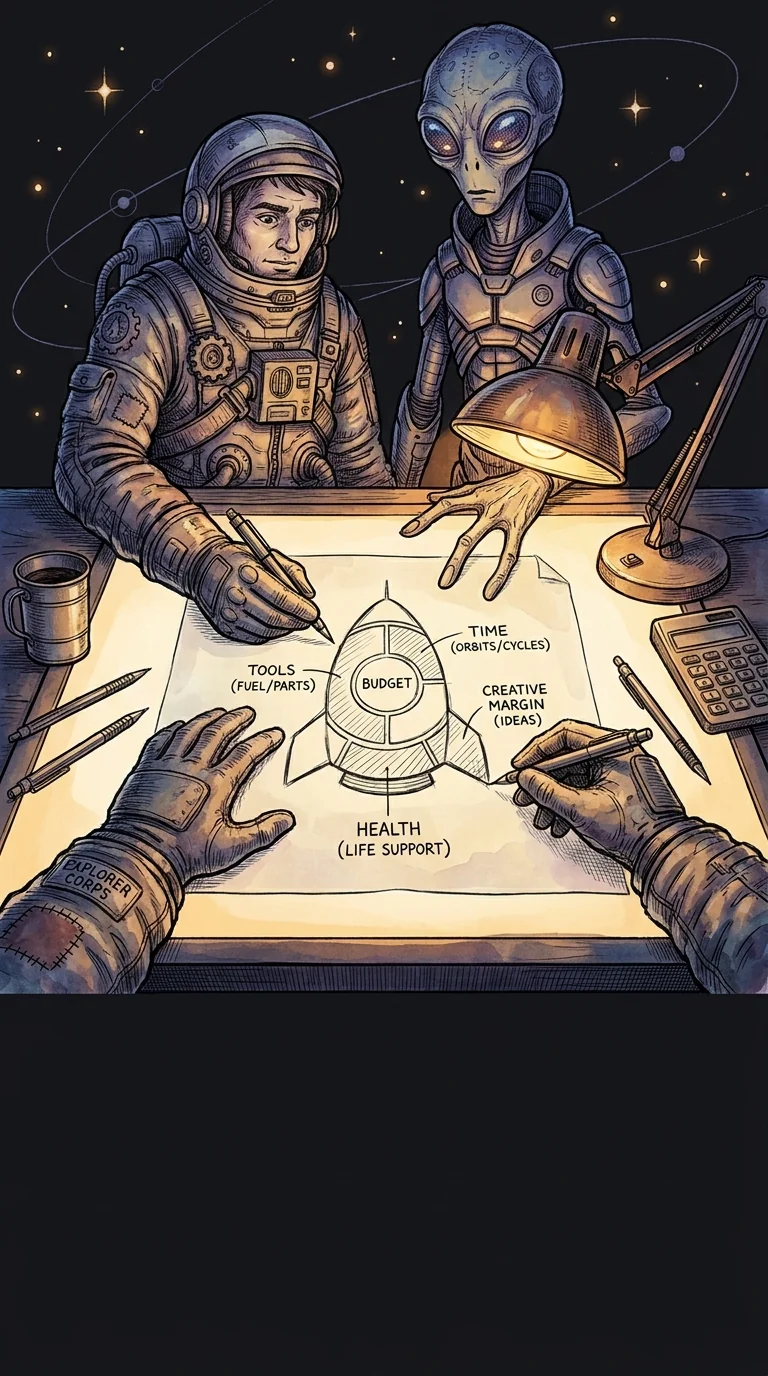
The mechanism is embarrassingly simple: calculate the monthly cost of doing your best work — tools, time, space, health, a margin for experiments that fail. Then build your finances around protecting that number, not around hitting some mythical retirement sum.

Marcus spent a decade saving for early retirement from engineering. Then he did the math differently — his real dream was running a small design studio. It needed a third of what he'd been targeting. He opened it two years later instead of twelve. Funny how the goalposts move when you actually name the goal.
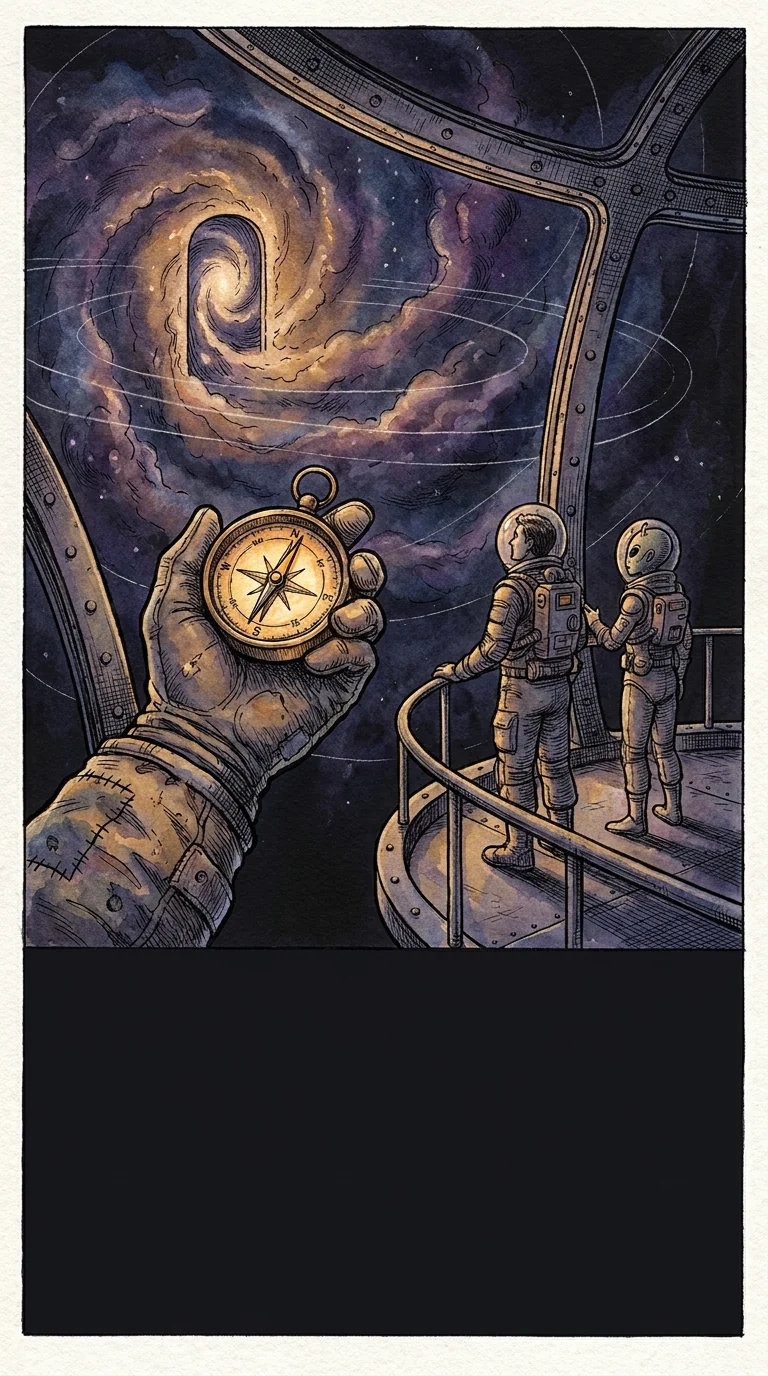
Escape is a finish line. Design is a compass. One ends your story; the other keeps writing it. In Part 2, you'll practice calculating your own Cost of Great Work number. See you there.
Part 2: Financial Design vs. Financial Escape — Practice
+10 XP on completion

Money isn't the escape pod — it's the fuel system. So the question isn't 'how much until I stop?' but 'what does the work I actually want require?'
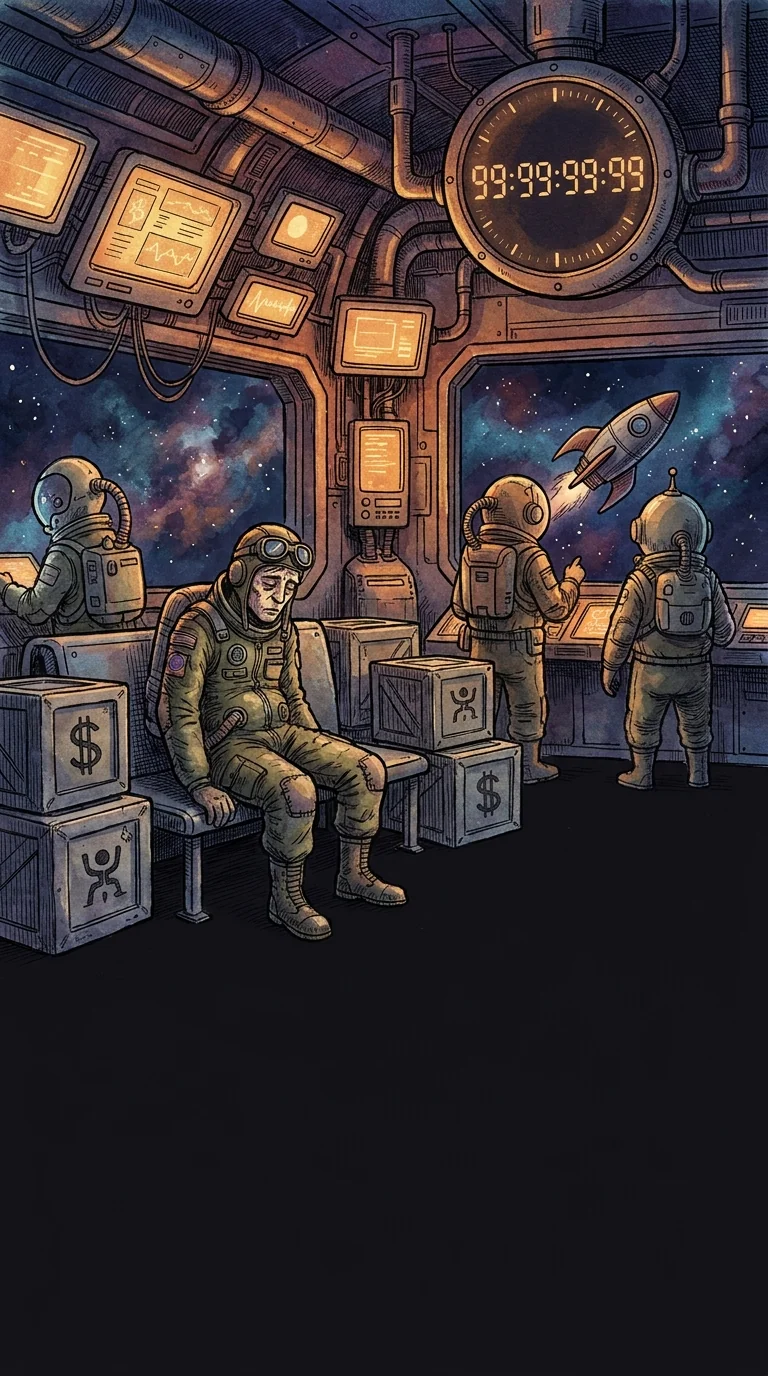
Most financial plans orbit one number: the quit number. Save enough, hit the threshold, never work again. It sounds like freedom, but it's actually just a very expensive way to avoid designing a life you'd want to stay awake for.

The technique is called the Freedom Architecture Audit. Instead of calculating when you can stop, you map what your best working life costs — then build the financial scaffolding around that.

Three columns. Column one: the work you'd do even if nobody paid you. Column two: what that life actually costs monthly — studio, tools, health, margin for weird ideas. Column three: income streams that fund column two without devouring column one. That's the design.

Sarah ran her audit and realized her dream life cost about forty percent less than she assumed — because half the expenses on her old plan were consolation prizes for work she hated. She didn't need a bigger number. She needed a better column one.

You don't need a fortune to be free. You need enough clarity to know what your real life costs — and enough nerve to fund that instead of someone else's scoreboard. The architecture is yours to draw.