Working With the Machine to Amplify You
Somewhere right now, somebody is asking a machine to write their bio, their pitch, their entire personality — and then wondering why it sounds like a college brochure stapled to a horoscope.
Part 1: Working With the Machine to Amplify You — Concept
+5 XP on completion

Somewhere right now, somebody is asking a machine to write their bio, their pitch, their entire personality — and then wondering why it sounds like a college brochure stapled to a horoscope.

The mistake isn't using AI. The mistake is handing it the steering column and climbing into the cargo hold. You become a passenger in your own voice, and the machine is perfectly happy to drive you somewhere average.

Here's what nobody admits: AI doesn't have a perspective. It has a statistical average of everyone else's. Your weird, specific, hard-won point of view is the one thing it literally cannot generate — which makes it the most valuable input in the room.

The technique is blunt: you lead with your raw thinking — your observations, your contradictions, your actual opinions — and then use the machine to pressure-test, structure, and scale what's already yours. You stay the source. It stays the amplifier.

Lisa spent two hours asking an AI to write her workshop description from scratch. It was clean. Professional. Could've belonged to anyone on the planet. Then she fed it her messy voice memo — the one where she laughed at her own bad analogy — and the machine finally had something worth working with.

The machine is fast, tireless, and absolutely does not know who you are. That's your job. In Part 2, you'll practice feeding AI your raw signal and shaping the output so it sounds like you, not like everyone. See you there.
Part 2: Working With the Machine to Amplify You — Practice
+10 XP on completion

AI is a magnificent amplifier. But an amplifier without a signal just makes louder noise.
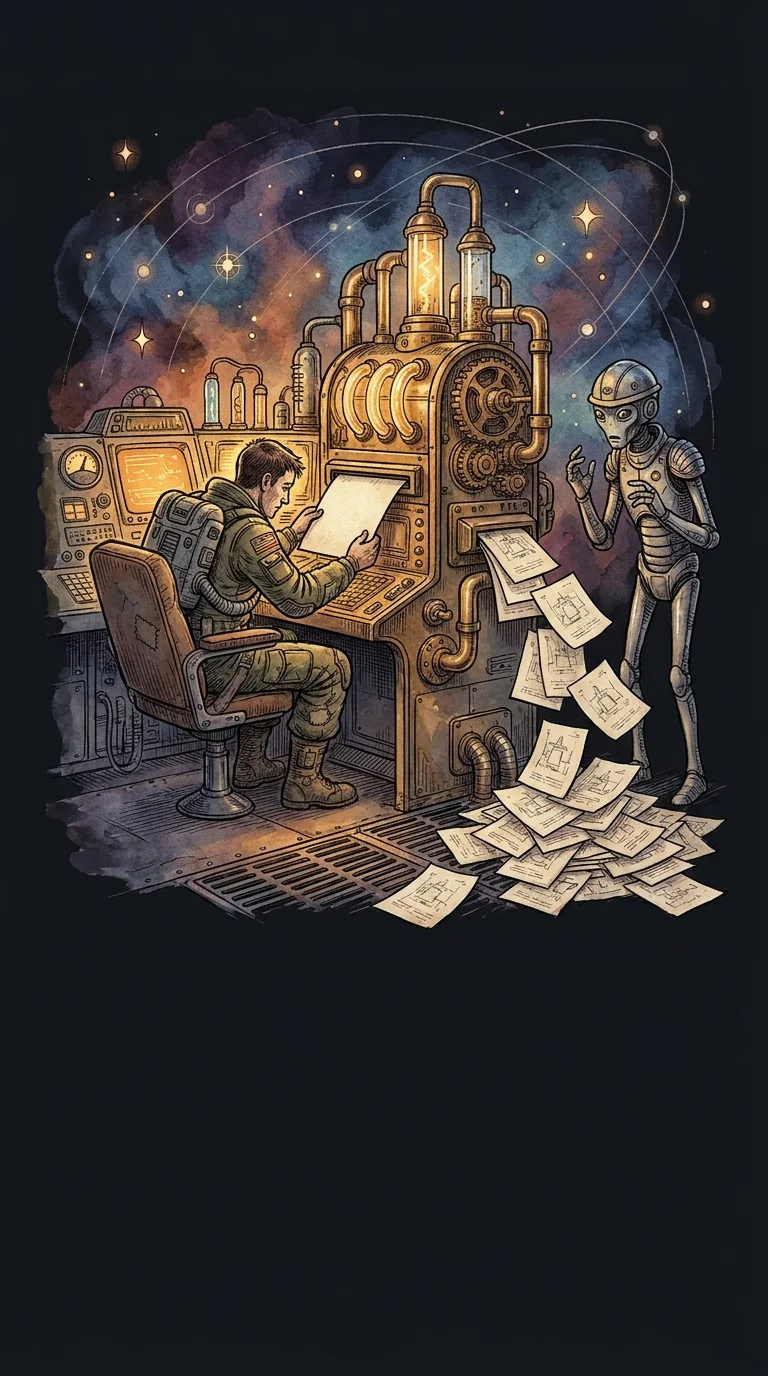
Most folks hand the machine a vague prompt and expect brilliance back. That's not collaboration — that's hoping the photocopier writes your novel.

The technique is called Signal First. You define your perspective, your stance, your weird specific angle — then you hand that to the machine and say: make more of this. Not more of everything. More of me.
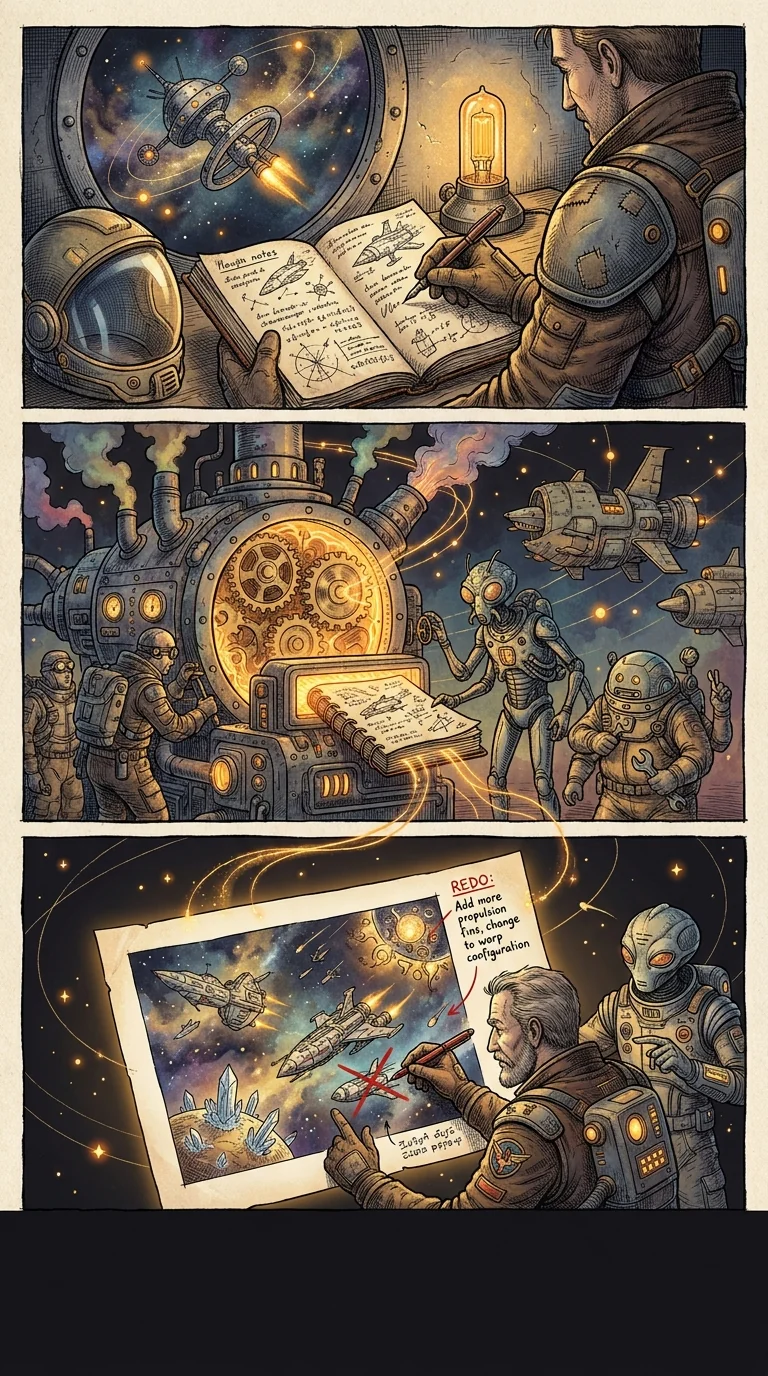
Step one: write your raw thought in your own messy words. Step two: feed it to the tool and ask it to expand, reformat, or pressure-test — never to originate. Step three: edit the output until it sounds like you again. The machine drafts; you decide.

Alex used to spend hours staring at blank screens. Now she spends twenty minutes writing her rough take on a topic, lets the machine stretch it into three variations, then picks the bones out of each one. Her output tripled. Her voice got sharper, not flatter — because the signal was always hers.

You don't need a machine to have something worth saying. But once you know what that something is, you'd be surprised how far the right tool can carry it.