Your Judgment in a World of Free Execution
Every tool on the market now promises to build it, ship it, design it, write it — faster than you can finish describing what "it" even is. So here's the question nobody's asking: if everyone can execute, what exactly are
Part 1: Your Judgment in a World of Free Execution — Concept
+5 XP on completion
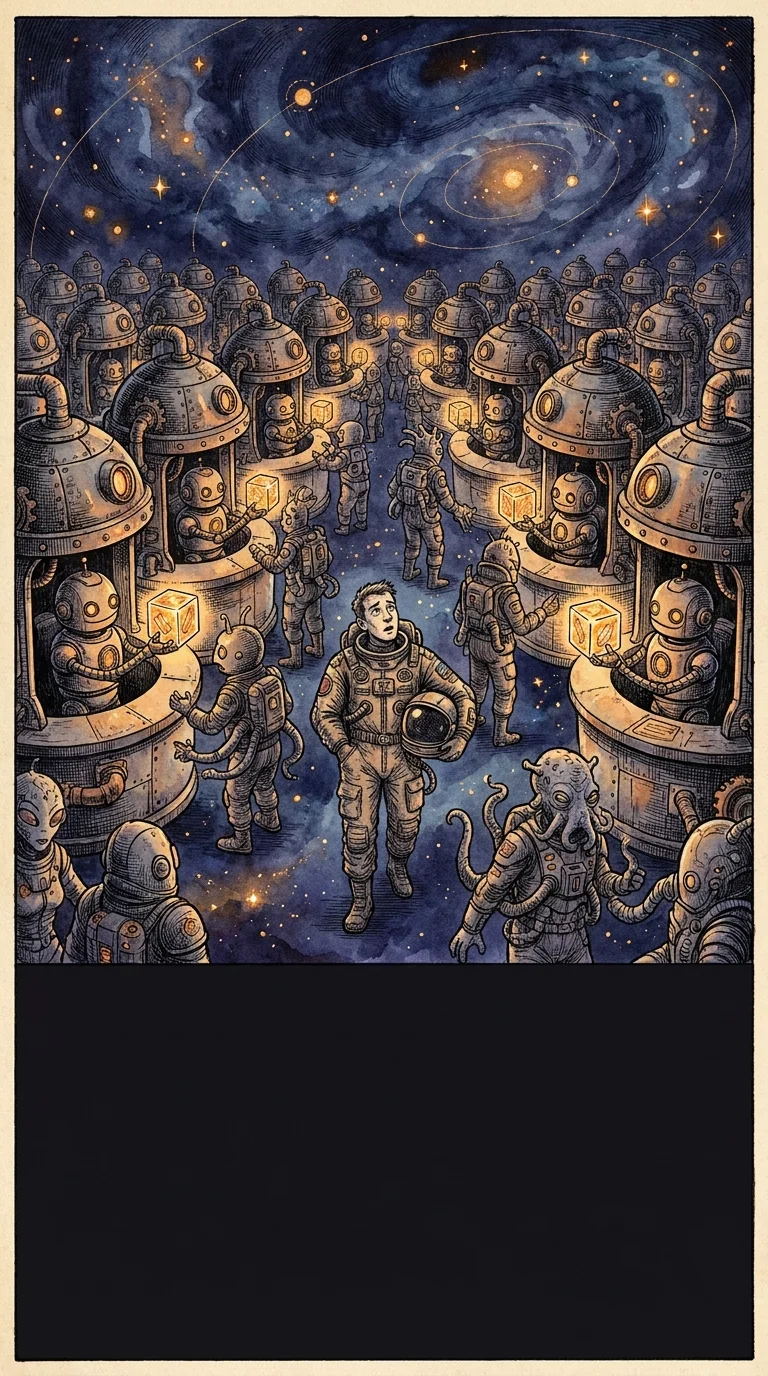
Every tool on the market now promises to build it, ship it, design it, write it — faster than you can finish describing what "it" even is. So here's the question nobody's asking: if everyone can execute, what exactly are you selling?
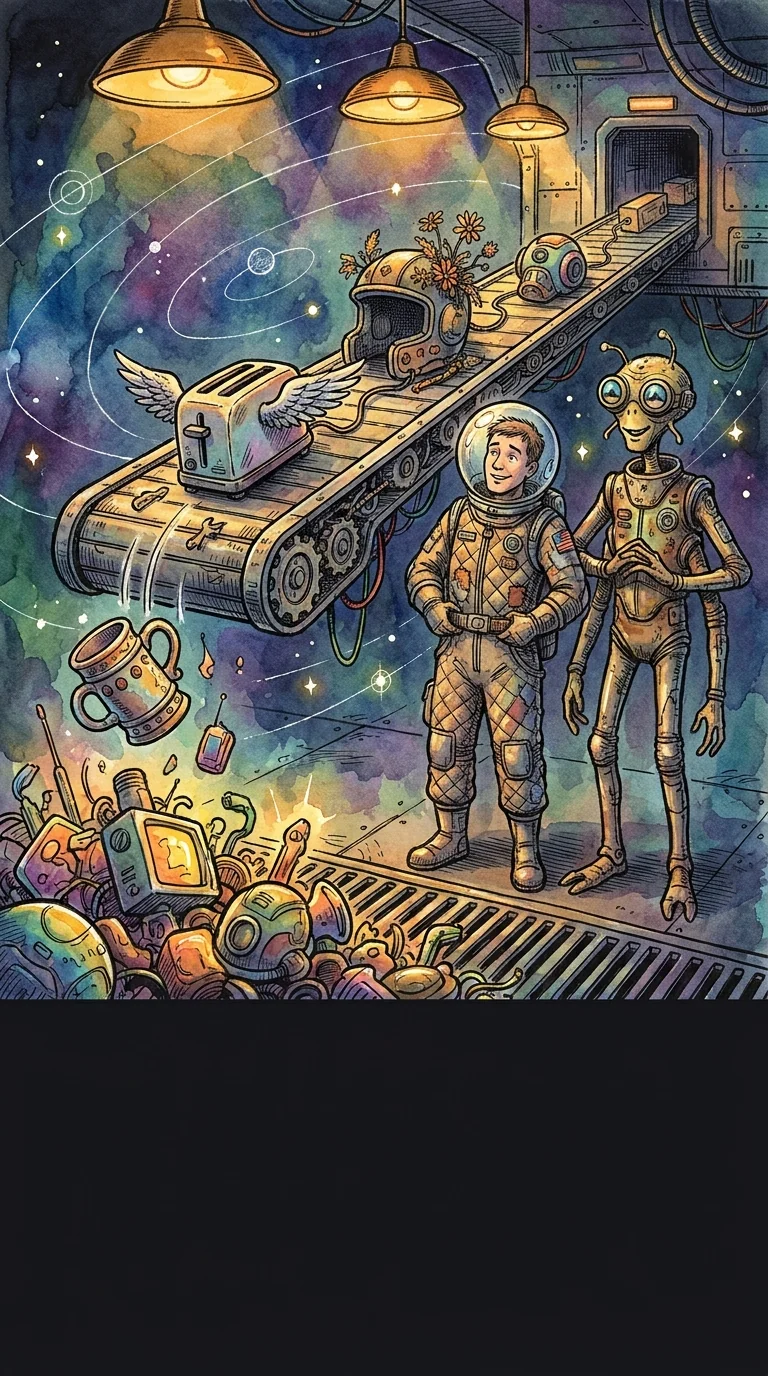
When execution was expensive, choosing wrong cost you months and money. Now execution is nearly free — and people are building everything they can think of, whether or not anyone needs it. The bottleneck moved, and almost nobody noticed.

The scarce resource isn't making things anymore. It's knowing which things are worth making. Your judgment — that strange, earned instinct for what matters — just became the most valuable part of the whole operation.
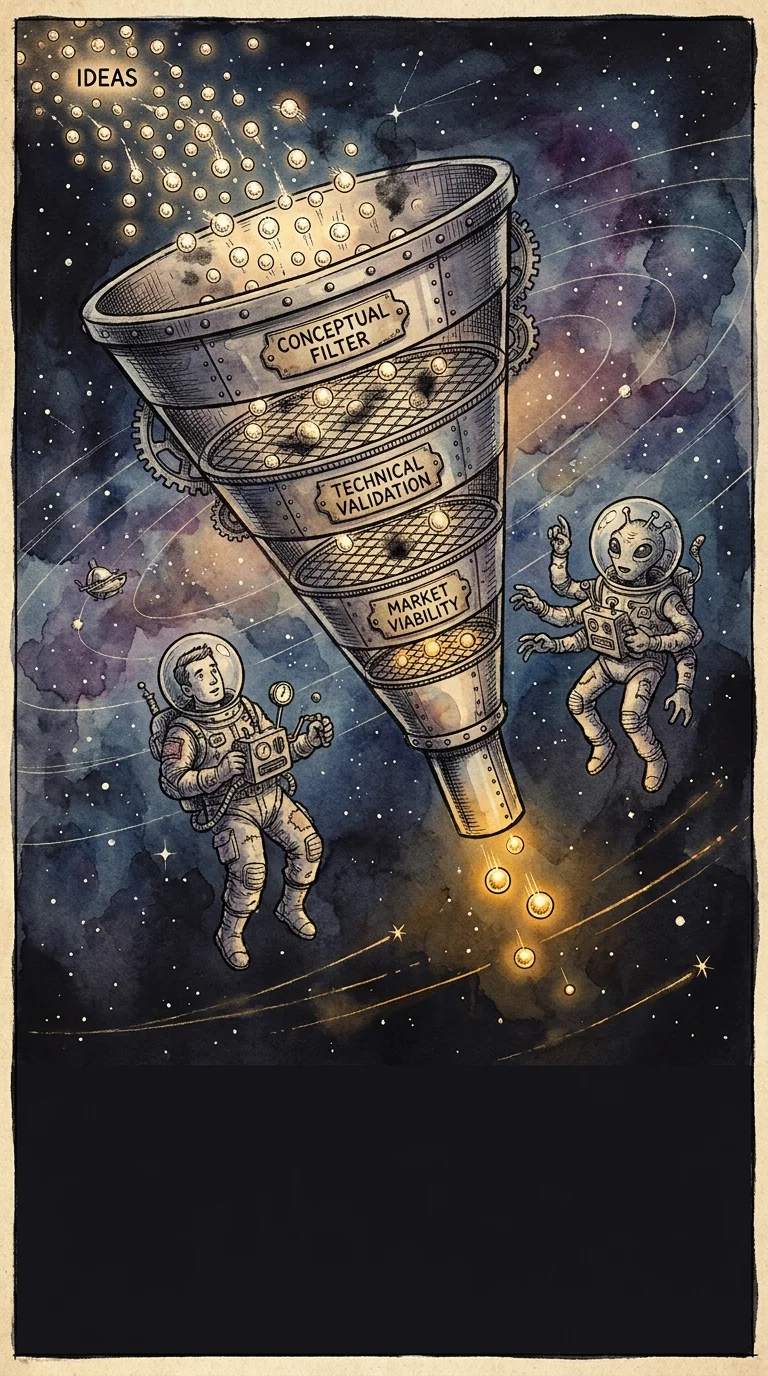
Judgment works like a filter between possibility and purpose. You take the infinite menu of things you could build and run each one through a simple gauntlet: Does anyone actually need this? Can I uniquely see why? Will it still matter in six months? What survives is signal.
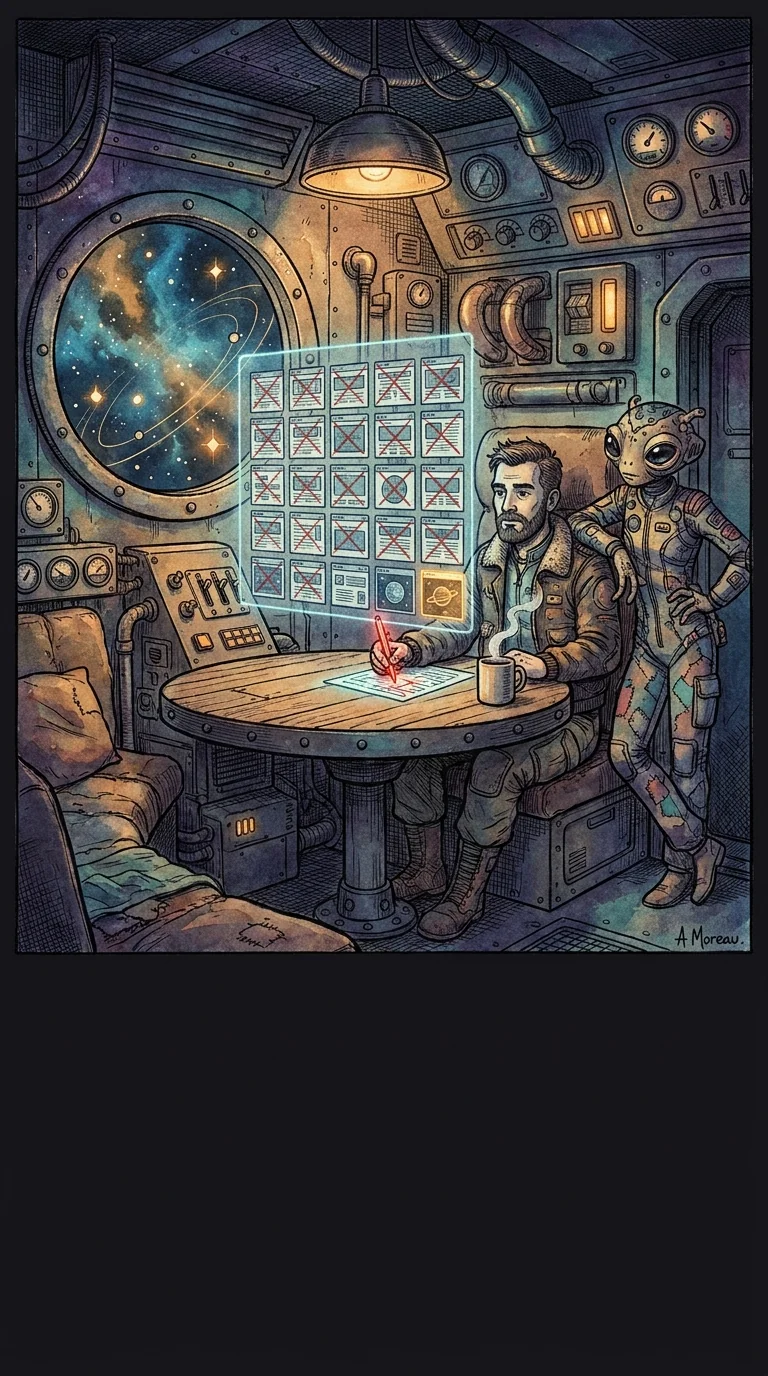
Marcus spent a weekend watching an AI tool generate forty landing pages for forty business ideas. Every one of them looked professional. Then he sat down and asked himself which problem he actually understood well enough to solve — and crossed off thirty-nine. That one remaining page? It got paying customers inside a month.

Cheap execution is a gift, but only if you know what to point it at. In Part 2, you'll practice building your own judgment filter — a quick decision framework for separating the builds that matter from the ones that just feel productive. See you there.
Part 2: Your Judgment in a World of Free Execution — Practice
+10 XP on completion

When machines can build anything overnight, the only question that matters is: should this exist? Your judgment is the bottleneck now — and that's not a problem, it's your entire advantage.
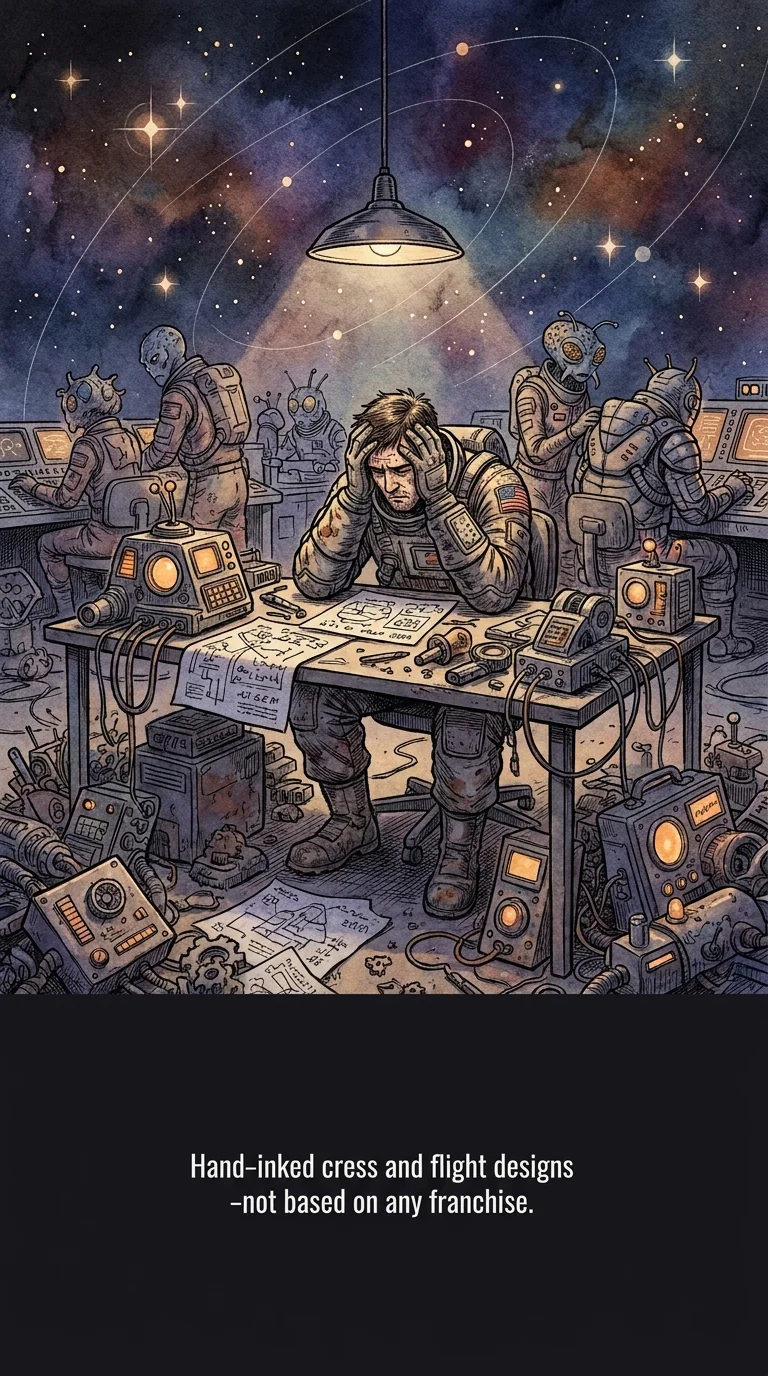
The trap is treating cheap execution like an all-you-can-eat buffet — building everything because you can. Six half-baked projects aren't a portfolio. They're a pile.

Try the Judgment Filter — three questions you run every idea through before you let a single machine touch it. The filter isn't about saying no to everything. It's about saying yes with your eyes open.
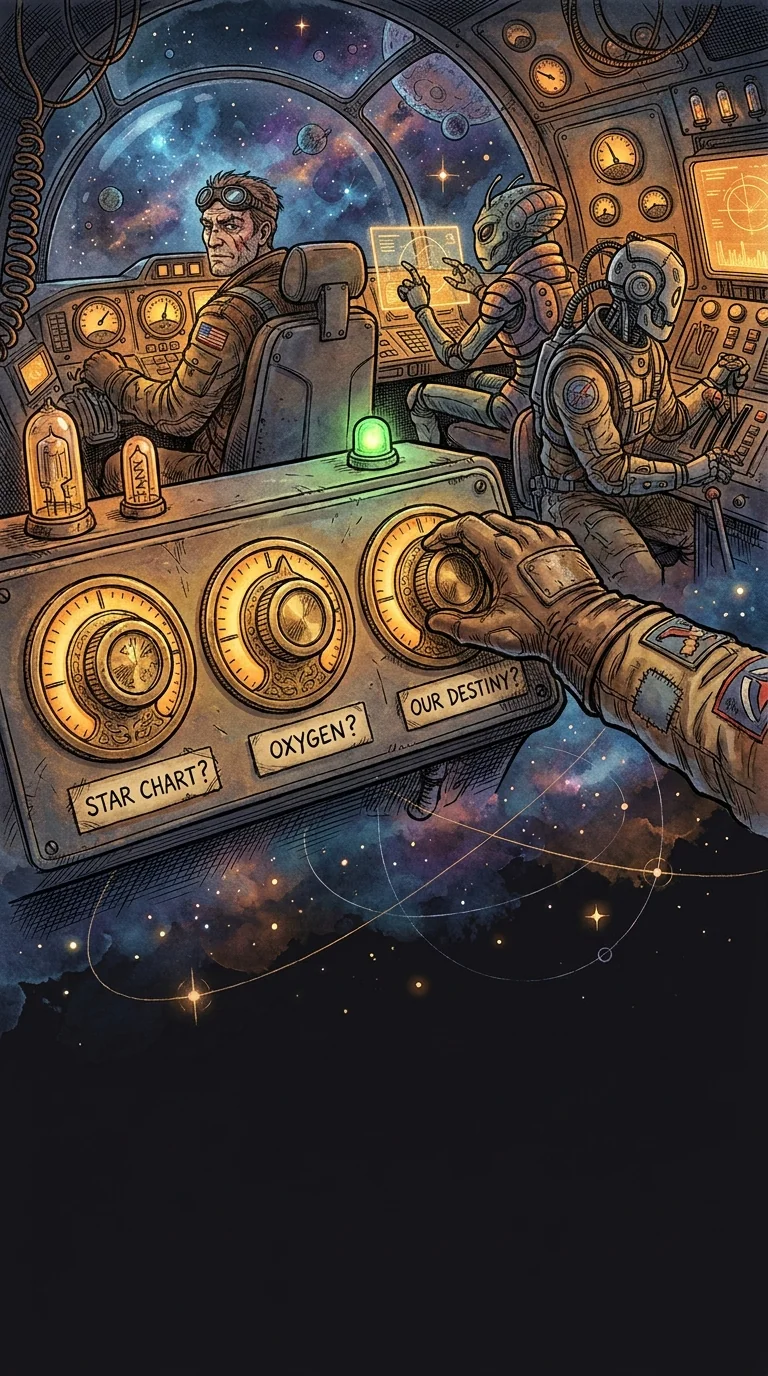
Layer one: Does this solve a problem someone actually has — not one I invented in the shower? Layer two: Am I the right person to decide how it's shaped? Layer three: If this works, will I still care about it in six months? Anything that survives all three gets built. Everything else gets a polite funeral.

Maria had eleven ideas in her notebook and an AI that could prototype any of them by morning. She ran each one through the filter. Two survived. She built those two — and one of them became the project that actually paid her rent. The other nine? Still in the notebook. Still dead. No regrets.

You don't need to build more. You need to choose better. Run the filter, trust what survives, and let the rest go without guilt. Your judgment is sharper than you think — and it gets sharper every time you use it.