Owned vs. Rented: The Career Distinction Nobody Names
Marcus clocked twelve hours yesterday. Impressive, right? Except the moment he stops showing up, every cent stops with him — like oxygen cut from a hull breach.
Part 1: Owned vs. Rented: The Career Distinction Nobody Names — Concept
+5 XP on completion
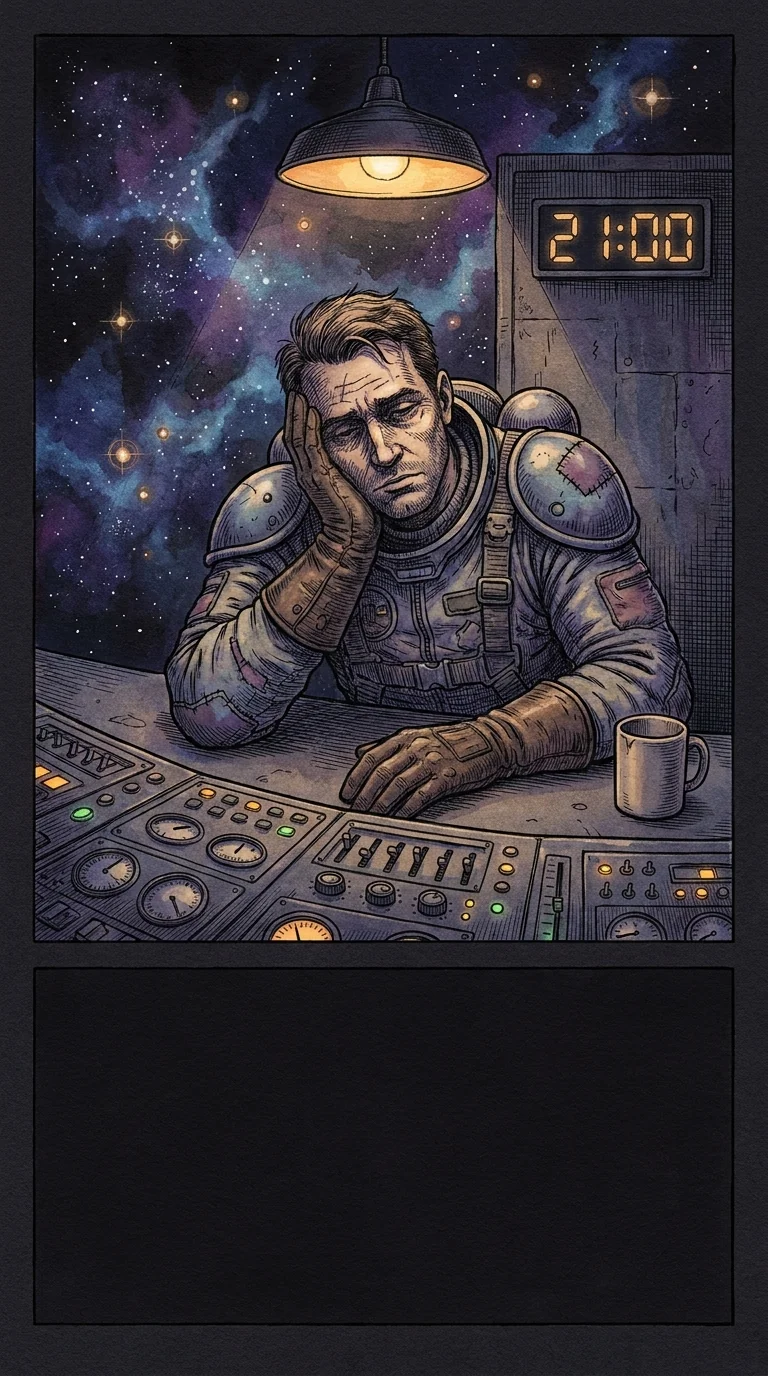
Marcus clocked twelve hours yesterday. Impressive, right? Except the moment he stops showing up, every cent stops with him — like oxygen cut from a hull breach.
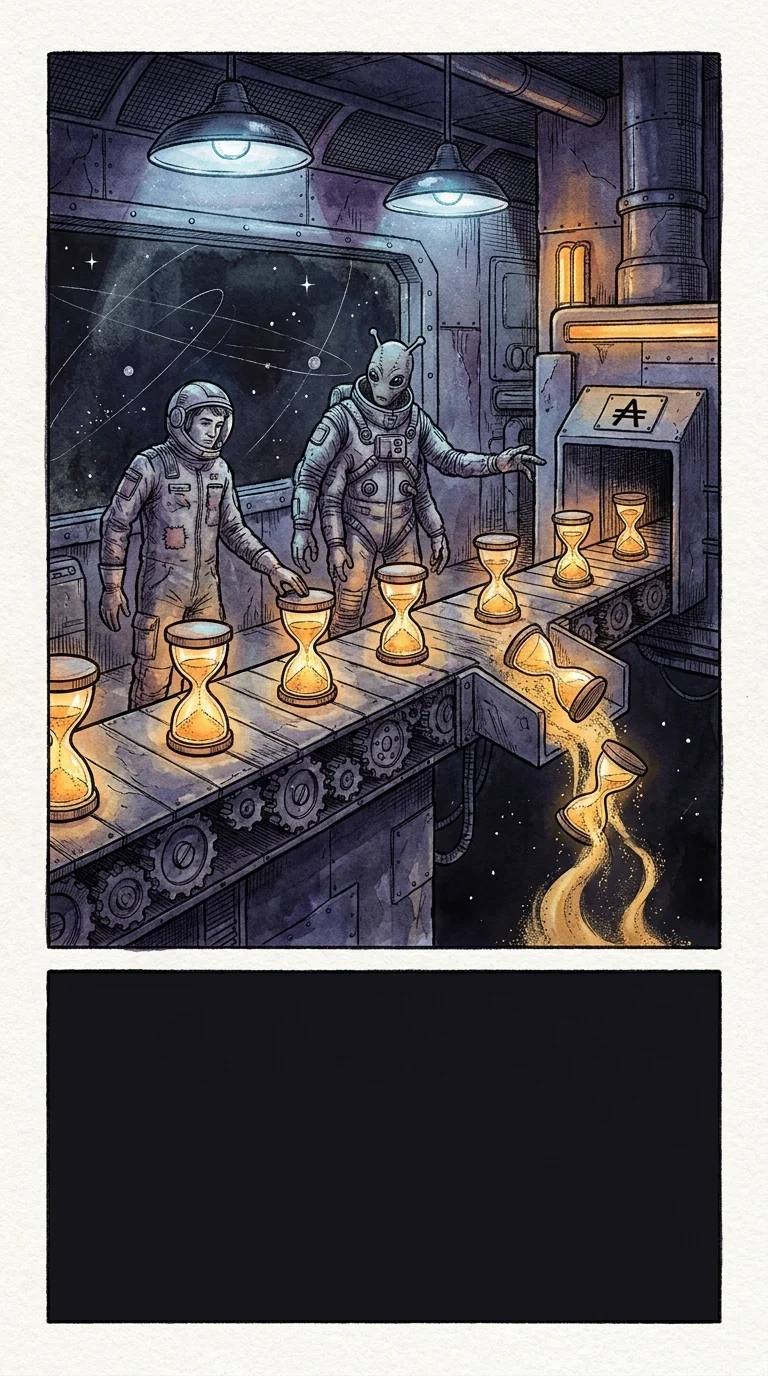
Most careers are rented. You trade hours, you get paid, the deal resets to zero every Monday. Miss a week and the income vanishes like it never existed.

Owned careers work differently. You build something once — a skill set, a system, a body of work — and it keeps generating value whether you're at the console or asleep in your bunk.
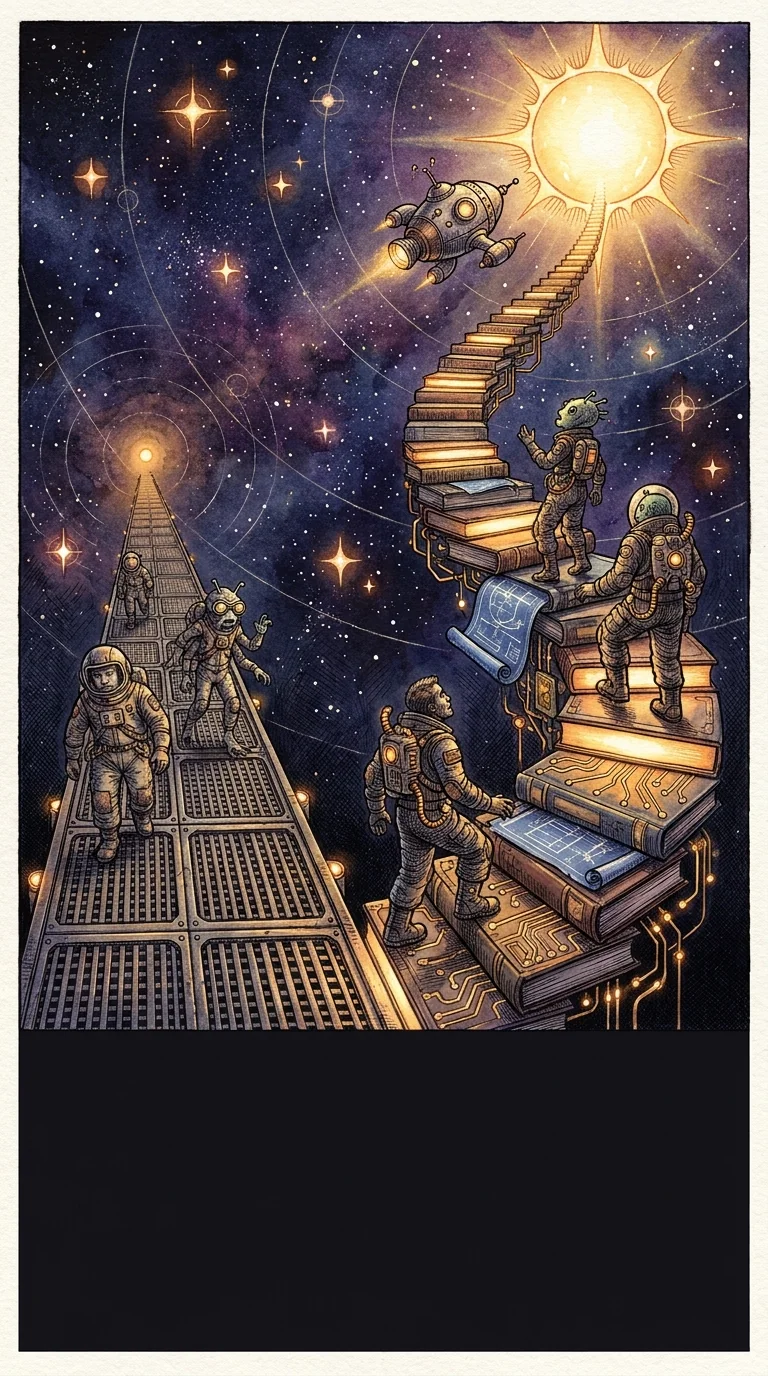
The mechanism is compounding. Rented work is linear — hour in, dollar out. Owned work stacks: each piece you build makes the next piece more valuable. Your past effort starts paying interest.

Lisa spent two years writing maintenance guides that nobody asked for. Tedious, thankless, very much unpaid overtime. Then her guides became the station standard, and three departments started routing contracts her way. Funny how that works.
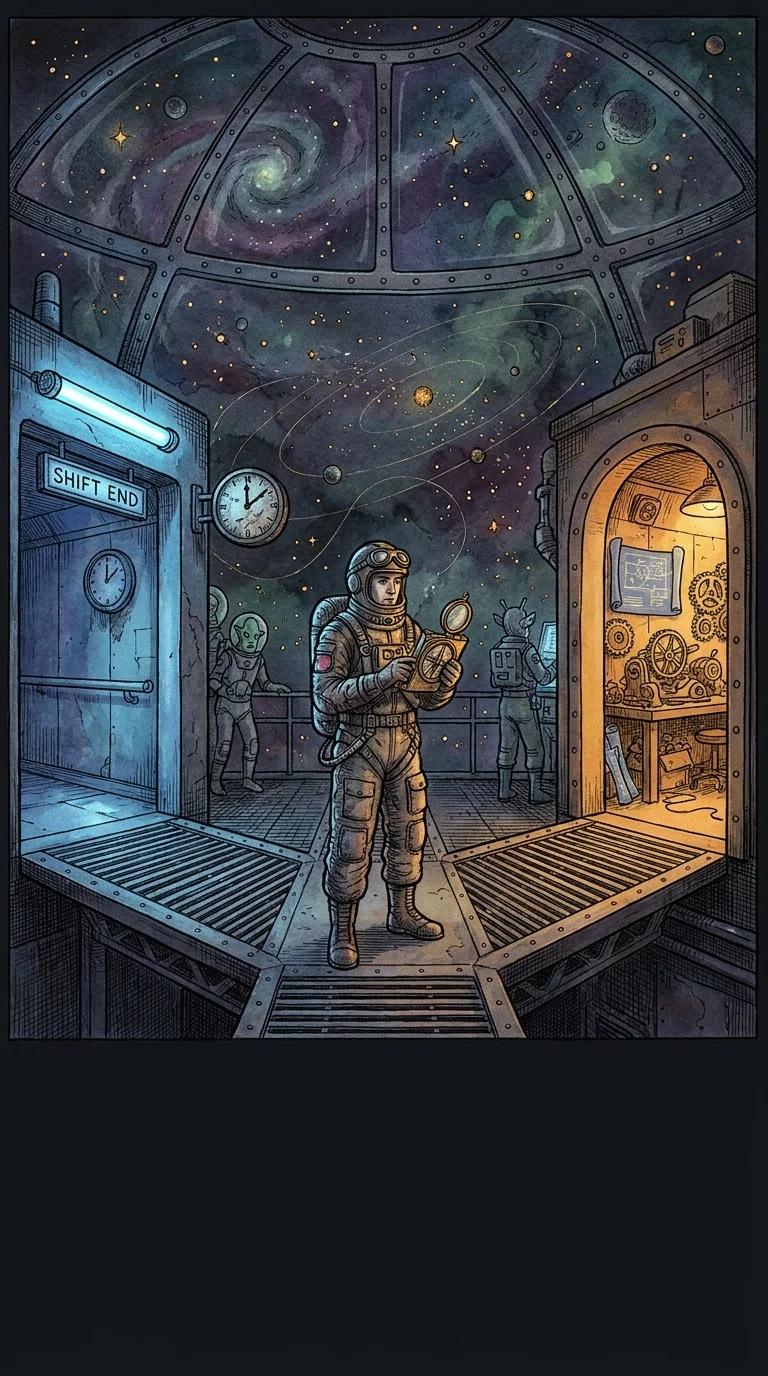
Rented isn't bad — it keeps the lights on. But if you never build anything you own, you'll run on that treadmill until someone turns it off for you. In Part 2, you'll practice sorting your current work into rented and owned categories so you can start shifting the ratio. See you there.
Part 2: Owned vs. Rented: The Career Distinction Nobody Names — Practice
+10 XP on completion

Everything you build in someone else's system disappears when you leave. So the question worth asking tonight: what are you actually building that's yours?
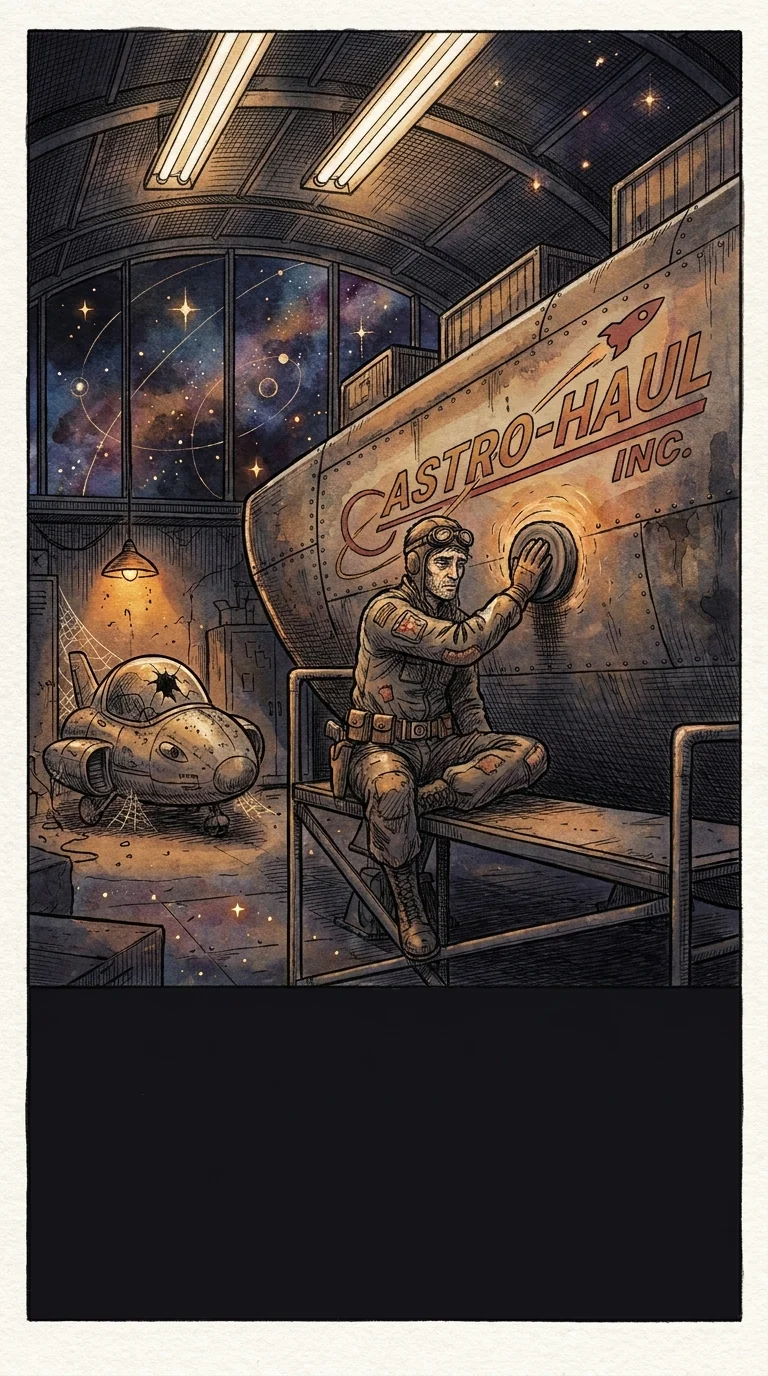
Most career advice says 'work harder at work.' So you polish someone else's engine, clock out, and start over tomorrow with nothing compounding. Convenient for them, isn't it.
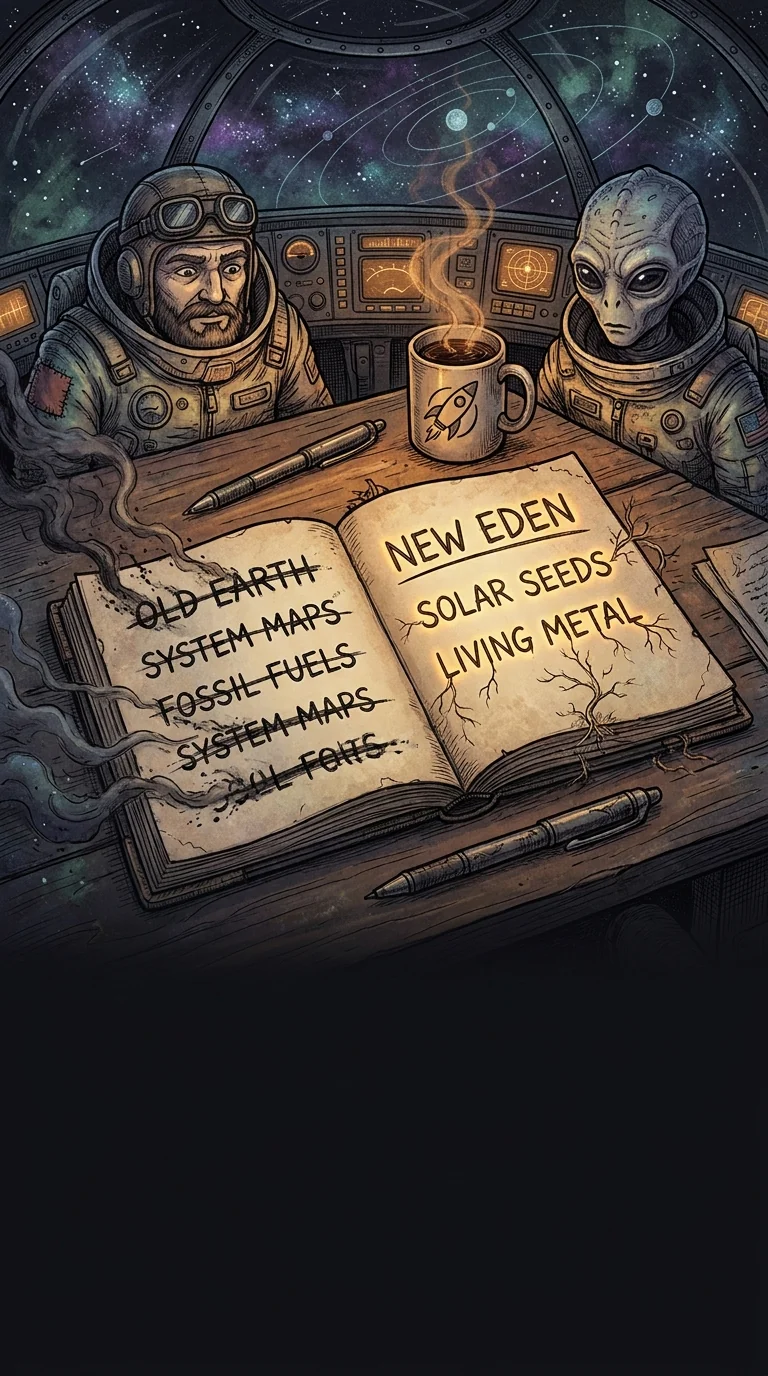
Try this: the Owned Asset Audit. Grab a blank page, draw a line down the middle. Left side: things you do that vanish when you stop showing up. Right side: things that keep working after you walk away.

For every item on the left, ask one question: can I turn any piece of this into something on the right? A process you document becomes a guide. A skill you teach becomes a course. A relationship you deepen becomes a partnership. You're not quitting your job — you're composting it.

Lisa ran logistics for a freight company — rented work, all of it. Then she started documenting her routing shortcuts into a handbook. Six months later, three other outfits licensed it. Same knowledge. Different column.

Your audit doesn't have to be dramatic. One item moved from the left column to the right is a seed that compounds while you sleep — and seeds are patient things.